Cooking up a staycation storm on your holiday in Ireland
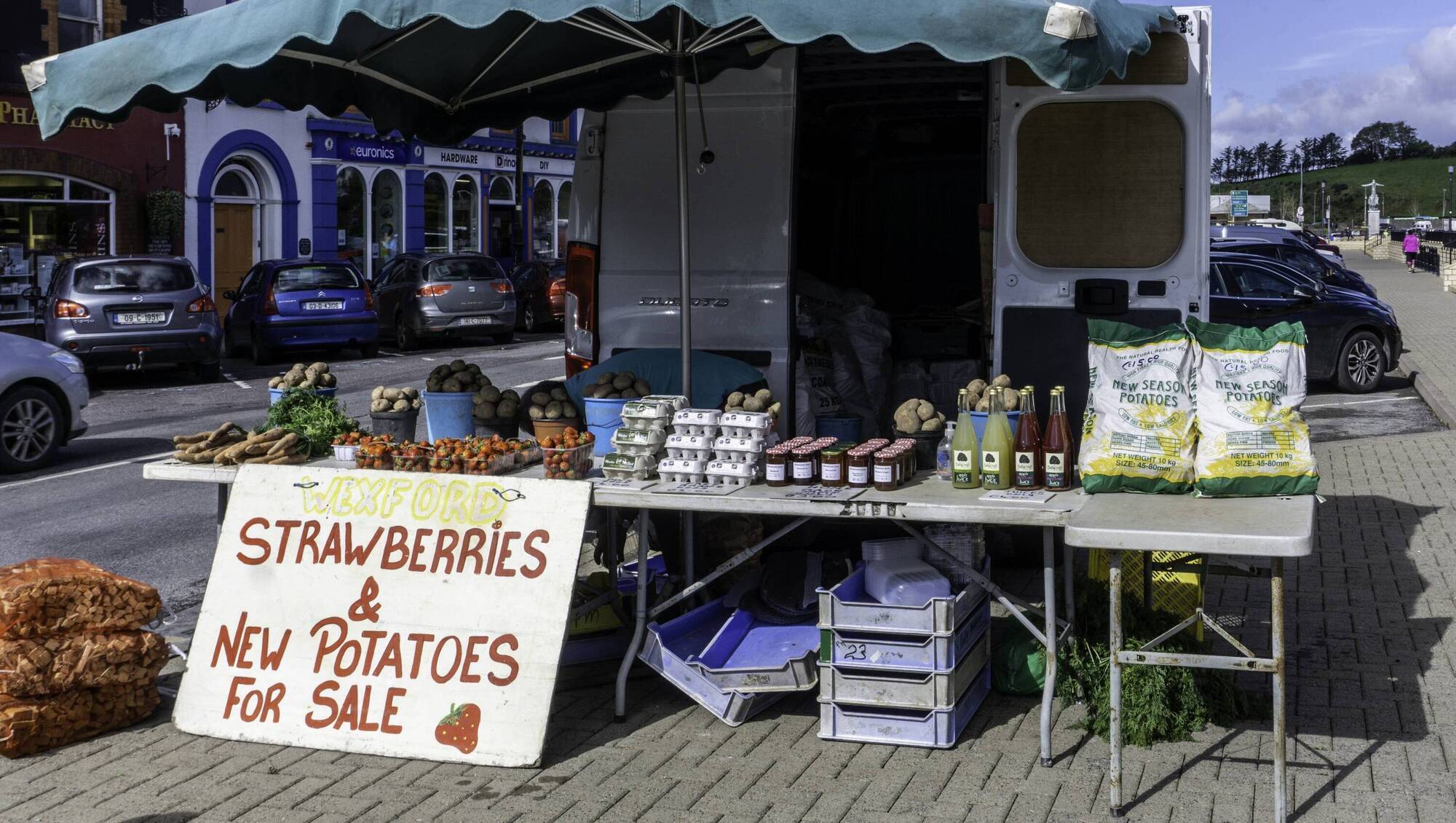
Driving along roads in Ireland, you’ll be surprised by what you’ll find for sale on the side of the road.
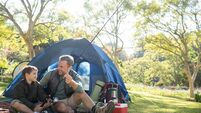
Cooking on holidays, if done properly, can also be very different from the weekly grind of serving up fare for the family every night after a hard day’s work, but if it sounds like nothing but another dreary chore, then you need to set some ground rules. This applies whether cooking in the wild or in self-catering accommodation.
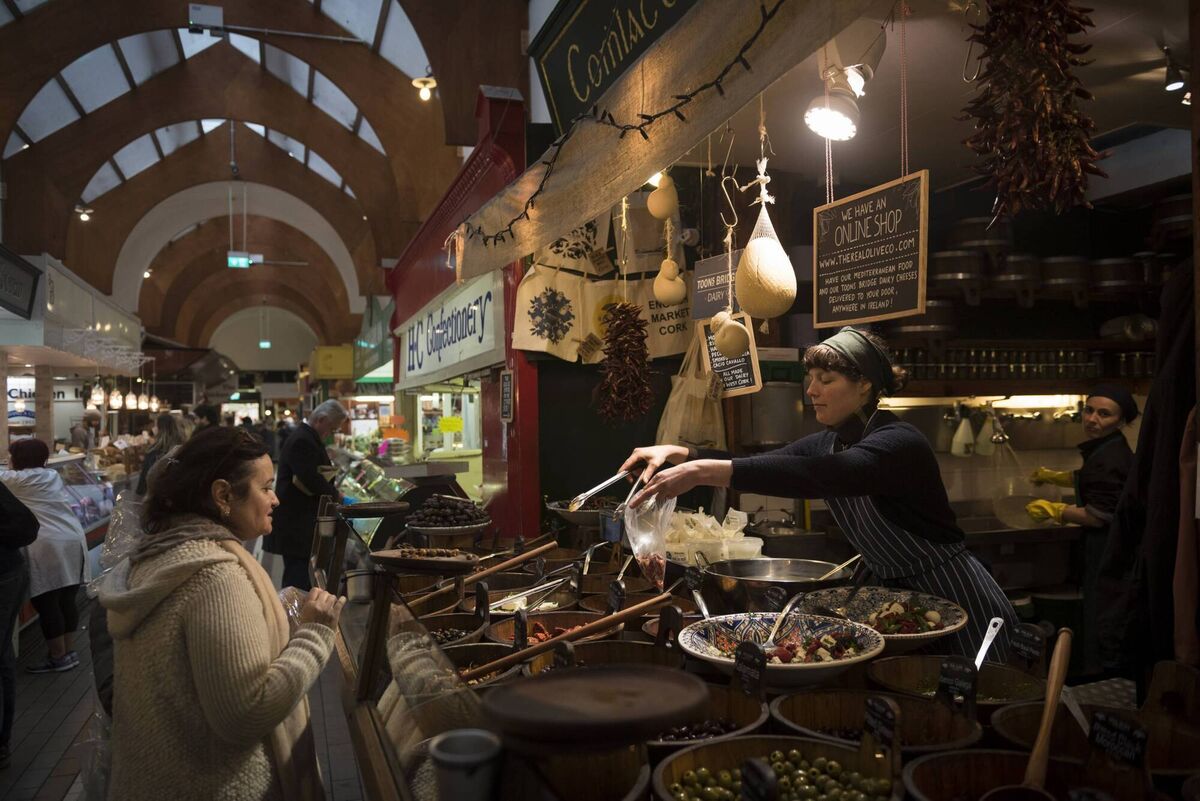
Everybody on the holiday has to pitch in, no excuses, from prep to cooking to cleaning up afterwards. The cook shall also be allowed to drink as much wine as they wish while standing over the bubbling pot and once the meal is served up, do nothing other than eat and continue to drink wine while everyone else cleans up afterwards. (Wine is not essential to this formula but I find it greatly enhances the experience!) Shopping for food can also be a pleasurable experience, especially if you seek out the alternative venues in the local area selling the finest of local produce. Independent food stores are dotted all around the country and do keep your eyes out for the local farmer’s market. And open your mouth for reasons other than chewing and swallowing — ask locals where the best food is to be found.
Driving along a coastal byroad in my camper van, several years ago, I ran into a fella by the side of the road selling fish — and not just any fish. I ended up with a shopping bag full of gorgeous freshly landed prawns and a humongous turbot for just €20 which I barbecued that night in a campsite in Co Mayo.
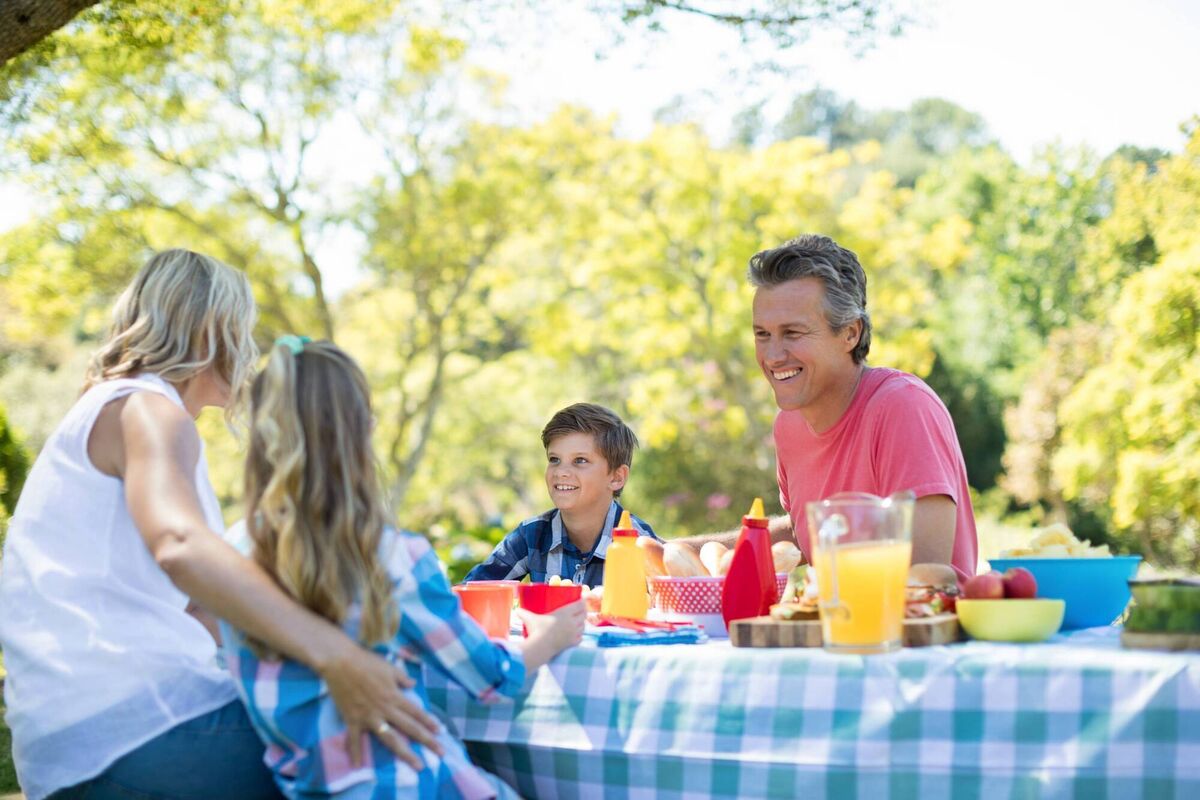
Wild foraging is not only a lovely way to pass the day in nature but there is an especial pleasure in supplementing your evening meal with the fruits of your labours — I wrapped that aforementioned turbot in freshly gathered kelp seaweed to steam/roast it over the coals and chopped up sea spinach to add to prawns panfried in butter over the fire.
I recently found myself on Freecycle (non-profit website for giving away unwanted items) wondering if I really needed a cast-iron panini/toasted sandwich maker for use over an open fire. I eventually baulked at adding more clutter in the form of an admittedly fine piece of kit but one that I would probably only use a handful of times a year if at all — toasties are not really the stuff of wild camping.
I also realised that I had completely lost the plot when it came to live fire cooking. I am a very competent cook, having spent almost a decade as a chef cooking in professional restaurants. I have also been the daily cook, breakfast, lunch and dinner, in my home for some 40+ years. I know my way around a kitchen and a stove. Yet, when I first turned to live fire cooking and barbecuing, I was a dunce, all the way back at square one.
Accordingly, I won’t teach you to do it in a single article but there are a few fundamentals. Don’t cook over flame; wait til the flames have died back and the glowing embers are covered in grey ash. That way you get a low and slow heat that penetrates all the way through to the centre rather than ‘flame-grilling’ the exterior to a blackened char while the interior is still raw. You’ll never find anyone in A&E with BBQ food poisoning with a meat thermometer in their pocket. Invest in one until you are confident enough to judge whether meat is cooked by other visual or tactile signs or indications.
Start with simple stuff, sausages and burgers, but make sure they are premium quality and cook them just off the main heat source to ensure they cook through without burning on the outside. I have a cracking little portable Weber camping BBQ which has become my own Open (-air?) University of wild fire cooking and not only have I used it regularly while camping or outside my camper van, but I use it at home just outside the backdoor to add smokey goodness all year round, no matter the elements.
But you can even do a fine job with one of those disposable foil BBQs that appear at supermarket entrances every summer at the first sight of sun. The best way to use them is to light the coals and then let them all slide down to one end and put your meat at the other, turning it regularly. Trust me, it will cook properly and all the way through. Bring along some extra charcoal and you can keep the fire going for longer.
Then, best tip of all, do NOT dispose of the BBQ when you’re finished. Lose the cinders, certainly, but that little grill is invaluable and can be re-used time and again over open fire embers and fits very nicely and lightly in your camping ‘kitchen’ alongside the chopping board. Mind you, you could also cook in what the pros call ‘caveman style’, putting steak directly onto glowing embers after quickly blowing off the ash. One of the nicest breakfasts I ever ate was Curraghchase free range pork black pudding cooked on stones of a campfire the morning after on a beach in the West.
One of the best camping tips I can give you is to plan your meals before you travel — don’t arrive with a load of vaguely selected ingredients and then wonder how you’re going to use them. Also make a list of the utensils you will need.
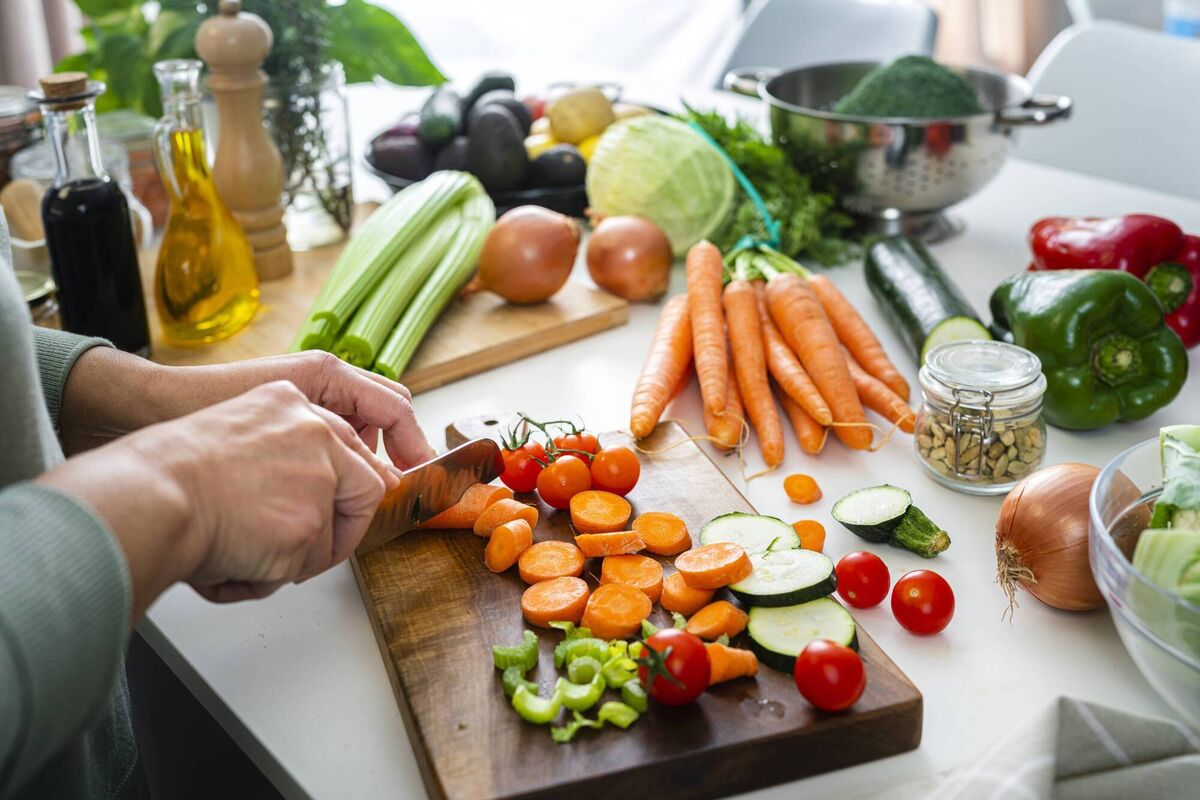
Then take that list and cut it back to the bare essentials. Other than fire, my core kitchen kit for the most elemental outdoor cooking is restricted to large chef’s knife for chopping, small hand knife for peeling and, though I detest them and never use them at home, a plastic chopping board as it’s lighter to carry.
I also bring a large spoon for stirring and serving. Tin foil is great for cooking at the edges of an open fire, whether it be steaming fish, veg or slowly baking potatoes. If it’s not too much trouble to transport it, a Dutch Oven is a fabulous piece of kit for cooking restaurant-worthy stews and goulashes directly over the fire.
Top tip if using one: pre-chop all your veg and meat and bag it up before setting off; sautee the veg then brown the meat, add a decent stock cube and water, then sit back and let the fire work it’s magic. Serve it with nothing but good crusty bread and great wine. A foldable sheet of heavy duty plastic is a very handy surface on which to lay out all your kitchen kit on the ground. A plastic or stainless bowl is invaluable for prepping or washing veg and for washing up afterwards.
Transport cooking oils, vinegars and other necessary liquids in plastic containers, again lighter. All perishable food is transported in a tightly packed cooler bag (boxes are big, bulky and heavier) with sufficient cooler blocks. Keep it separate from your cold drinks container, which will most likely be opened more often. Do, however, remember to take meat out before cooking to allow it to warm to ambient temperature, just as you would at home.
One truly invaluable piece of kit is a Kelly Kettle, an Irish invention from the late 19th century that has travelled the world. It was created by one Patrick Kelly on his farm on the shores of Lough Conn, Co Mayo, to enable him to quickly boil water for hot drinks while fishing on cold days. Its unique, double-walled chimney can boil 1.6L of water in just three-to-five minutes using small dried twigs, pine cones and bark. I’ve even drunk tea using water boiled in a Kelly Kettle, pre-filled with water and ‘fuel’, while out sea kayaking, pulling up alongside a suitable rock to use as a base.
And remember, when you’re done, clean up after you and don’t leave any food out that might attract beasties or other wildlife. And when you leave your campsite, wild or otherwise, follow the essential rule: take only memories or pictures, leave nothing behind but footprints.