Irish staycations 2026: Home holidays on the rise
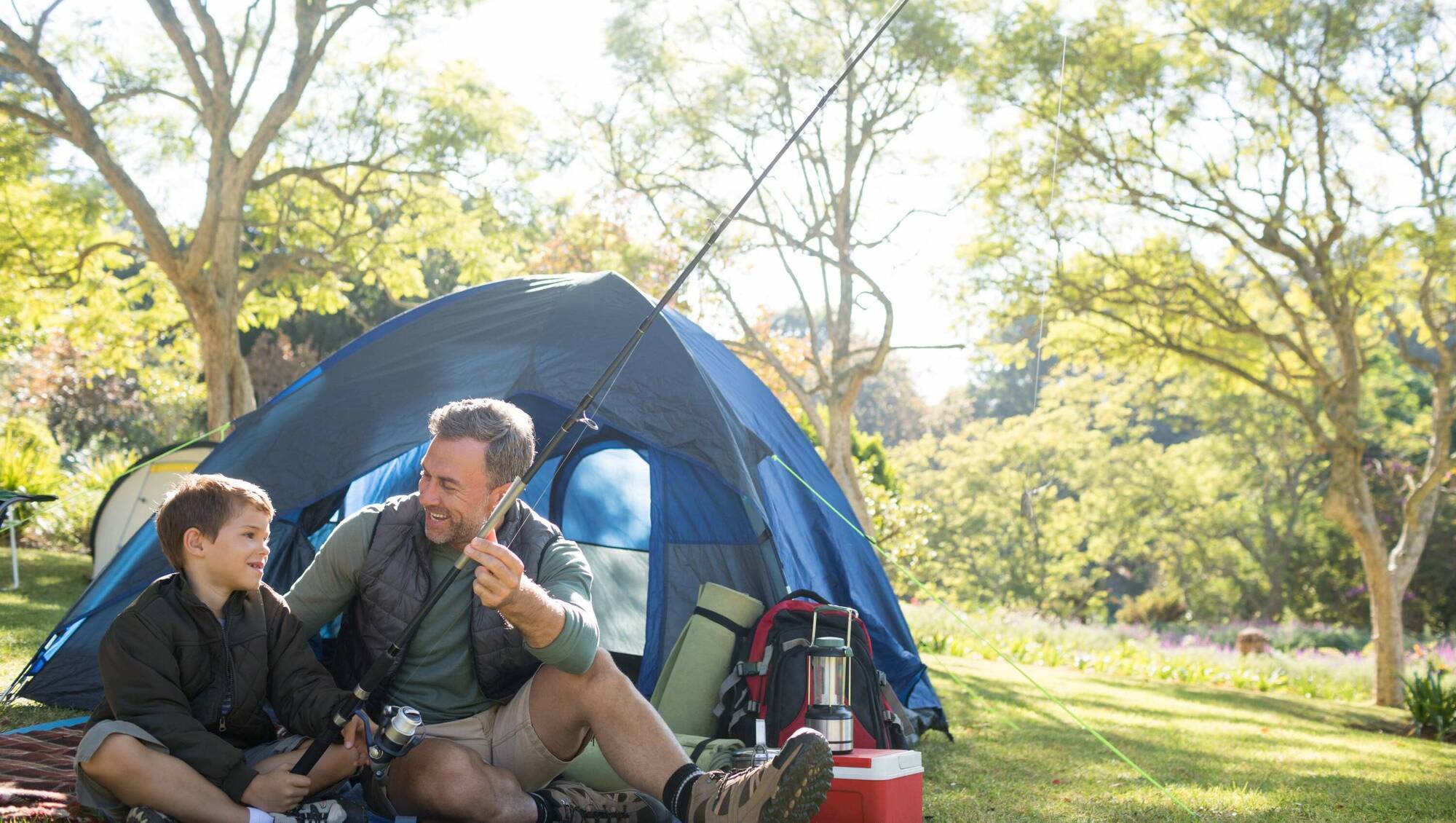
Some of the best memories of camping come with pitching up a tent in a remote and embracing the elements in a remote corner of Ireland.
According to fresh figures from Fáilte Ireland, many of us are revising plans to vacation abroad this summer, fearful of the flight disruption that followed when the US and Israel began bombing Iran.
In addition, last minute bookers may also encounter ticket prices further elevated thanks to the resulting global fuel crisis that has followed the blockade of the Straits of Hormuz.
To be honest, it shouldn’t take bad news to force you into discovering the wonders of our own island home, with beautiful scenery for visual grazing and an equally wonderful hospitality sector to fill the belly.
However, we get it, Ireland is an expensive country in which to spend two weeks on vacation and self-catering options will always ease the financial burden. Any option that allows you to cook most of your holiday meals yourself is a huge bonus for the wallet. Mind you, be sure and also budget for a few restaurant meals to treat yourself — after all, you are supposed to be on holidays.
The ‘accommodation’ options for a cheap alternative holiday in Ireland are surprisingly varied, from the raw, elemental immersion in nature that comes with a wild camping holiday to the originality of the creature comforts that come with an exceptionally well-designed B&B or self-catering cottage, where the owners have gone that extra mile.
Wild camping is the ultimate in back-to-nature holiday accommodation, in other words pitching your tent for free out in the wild and wonderful wilderness.
Some of my finest ‘holiday’ memories of camping have come with pitching up in remote locations and totally embracing the elements: in the dunes of a West Cork beach (high above the high tide line!), waking with the dawn, diving in to the sea for a bracing dip and then cooking up breakfast as the sun gradually warms up the day; up in rugged mountains by a lake where we caught trout to fry in the pan for our evening dinner; or in a forest clearing where we sat around the BBQ (open fires should be avoided in the wild, especially in woods) playing guitars til the wee hours. I’ve also endured some shockers, most of them weather-related. It is after all, Ireland.
Wild camping is technically illegal so discretion and consideration for your surroundings and neighbours is key. The easiest option is to ask a local landowner and Coillte do permit responsible wild camping in certain forest recreation areas. Though highly restricted, there are also certain permitted wild camping areas in our National Parks.
Otherwise look for out of the way spots, either in the remote uplands or in coastal areas far from human traffic as possible. It is also best to arrive late in the day, leaving early in the morning and leaving no trace of your presence at all, most especially waste. Look for elevated and protected spots to pitch a tent and make sure to have suitable clothing for sitting out in the invariably cold evenings or if weather turns bad and you have to abandon altogether.
CAMPING In Paris, campsites used to be subsidised by the state as they were not profitable as a standalone business. However, French tourist authorities recognised that a youthful camping trip often kickstarted the first stirrings of a lifelong love affair with the French capital, that saw those young campers return repeatedly throughout the rest of their lives, each time spending more.
In Ireland, unfortunately, for too long our native tourism sector has relegated camping and camper van vacationing to the ha’penny place, even though it is extremely popular with central Europeans.
However, there are several campsites around the country that do anything from a good to very good job in terms of facilities, especially shower blocks, waste disposal, laundry and even basic food prep kitchens, although rarely with actual cooking facilities other than maybe a kettle.
They also often provide leisure facilities for the younger campers for those days when you only want to laze around in the sun and not have to head off in search off entertainment for the kids.
Any trip to mainland Europe will confirm just how popular camper van holidays are across the continent but the pandemic lockdown turned what had been a thriving sub-culture bubbling away for decades into a national obsession.
Many vans were bought and converted during lockdown but what those newbies learned was that, as with camping, this country lags way behind the rest of Europe in terms of facilities for camper vans. Not only are there dedicated pitches for camper vans on all the campsites, including power supply, but there are also camping aires.
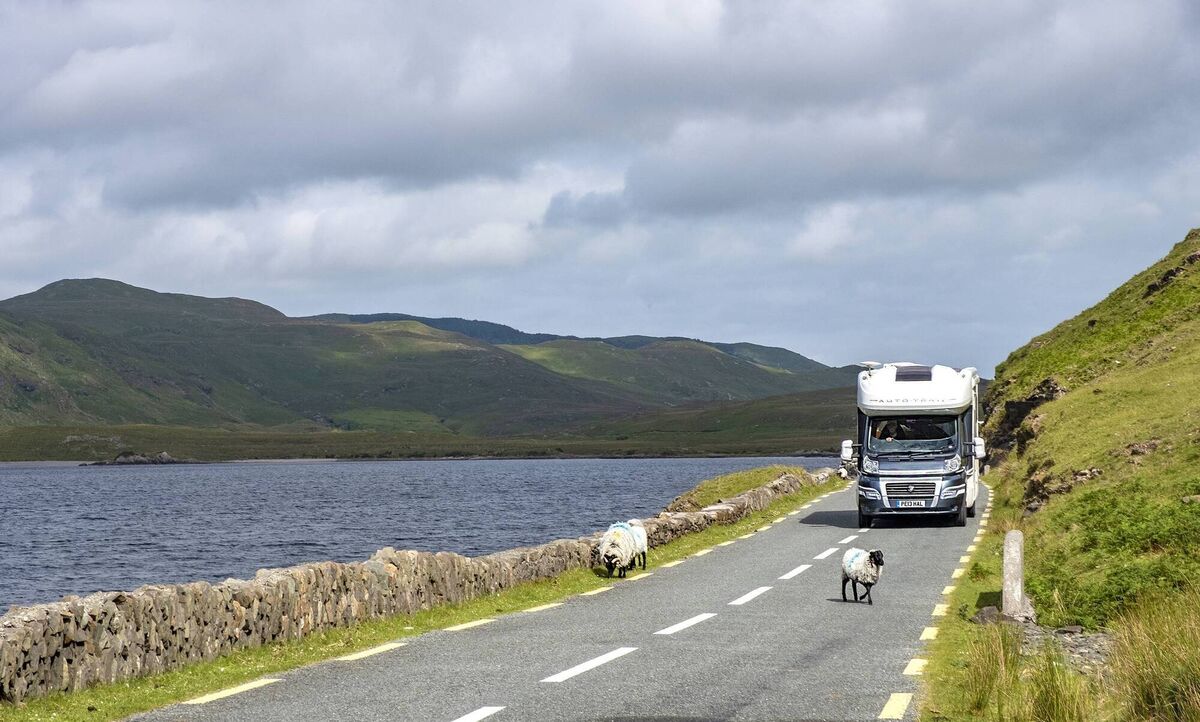
A camping aire (‘area’, from the French, aire de camping-car) is a designated low-cost or even free site for self-contained camper vans and RVs, ideal for an overnight stopover though not suited for a full-on holiday base. There is one on the marina in Bantry but we could do with a hell of a lot more: though it is travelling on the cheap, tourists in camper vans add value to the local economy, even if it is just shopping for food and filling up fuel tanks. Again, it can also lead to a love affair with Ireland that might see them return for more upmarket and higher spending vacations.
Eco-villages are essentially campsites that go that extra mile to ensure a holiday in the heart of nature is not only thoroughly enjoyable but also is carried out with the utmost respect for the environment, including solar-powered facilities and environmentally-friendly waste disposal and toilets.
Most also offer various pre-pitched tent options for ‘glamping’ such as bell tents, some even including actual beds for those who like to rough it in style. There are even cabins and Goleen Harbour Eco-Village, on the Mizen Peninsula in West Cork, actually has geodesic domes offering 180˚views of sunrises and stars, as well as your own private deck, as well as a summer-long programme of music and food, in the form of concerts and pop-ups by well-known chefs.
For many Irish people, a B&B is where you wind up staying when all the rooms are booked out at the wedding hotel, meaning you miss out on all the craic of the late night residents’ bar after the wedding ends. And then there are those of us, longer in the tooth, who remember well when B&Bs were often the only game in town when it came to accommodation and, as a result, were not always minded to bother too much with standards, either setting or meeting them, and I personally am still traumatised by some especially grim affairs back in the day.
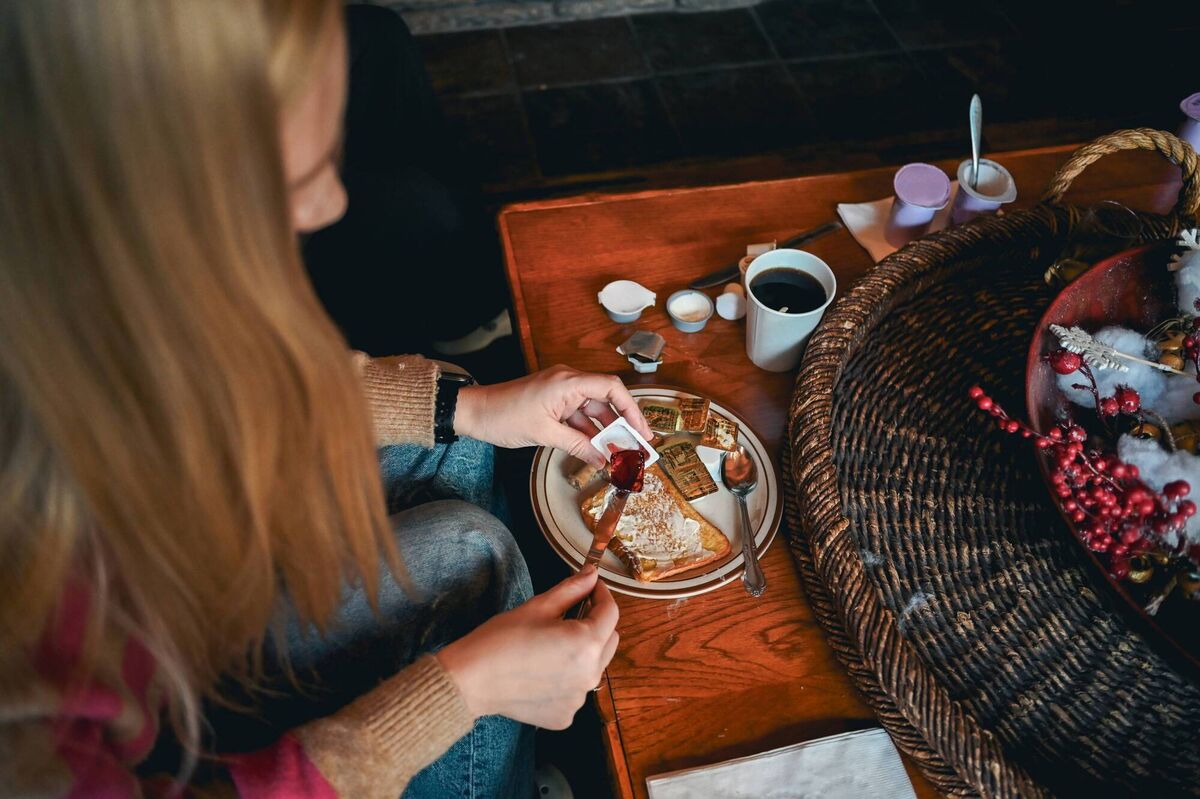
But did you realise that Central Europeans are rather partial to the B&B and I’m right there with them on that. After all, it can be akin to being invited to stay in an Irish home, with none of the noise or shenanigans of a hotel, and with the promise of a fine, homecooked breakfast in the morning. Once you start looking, there are some fabulous B&B experiences to be had around the country, many of them adjacent to touring trails and national parks or in coastal regions.
Self-catering has long been a staple of Irish summer holidays, from the good, the bad and sometimes even the ugly. The advantages are myriad: you follow your own schedules; you cook exactly what you want to eat; and if other ‘guests’ are keeping you up at night, you can always threaten to curtail their gadget time or refuse to buy them 99s for the remainder of the holidays.
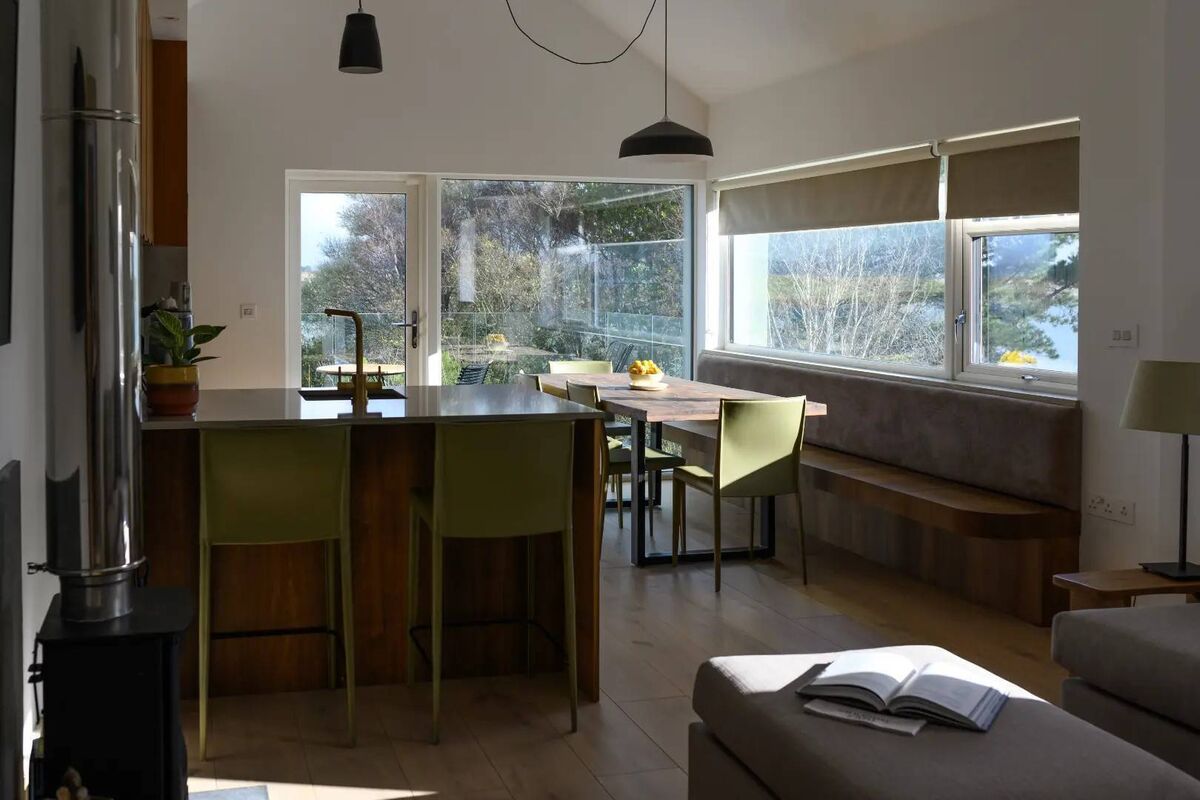
I’m a big fan of the freedoms that self-catering affords and have stayed in some exceptional venues around the country. Though it exists at the very upper end of ‘self-catering accommodation’, I’d very much like to doff the hat to Within The Village, in Roundstone, Connemara, for creating the sort of space you’ll never want to leave at all and setting a benchmark for the entire sector.
These five luxury cottages are exquisitely converted and uniquely designed buildings in one of the loveliest villages in Ireland, sourcing local eco-conscious materials for a sublimely stylish renovation, handcrafted elements, including ceramics and wool throws, furniture and art, are all courtesy of Connemara-based craftspeople and artists.
Fresh pastries, fruit, yoghurt and locally roasted coffee is delivered to your door each morning and a selection of Irish farmhouse cheeses, crackers and organic wine is available for quiet nights in, but if you fancy a royaler in Roundstone, baby- and pet-sitting services are available as well as exclusive concierge-curated local experiences, activities and adventures in one of the most stunning parts of the world. Now, that’s a self-accommodation holiday!