Green energy can help Ireland get power back in our hands
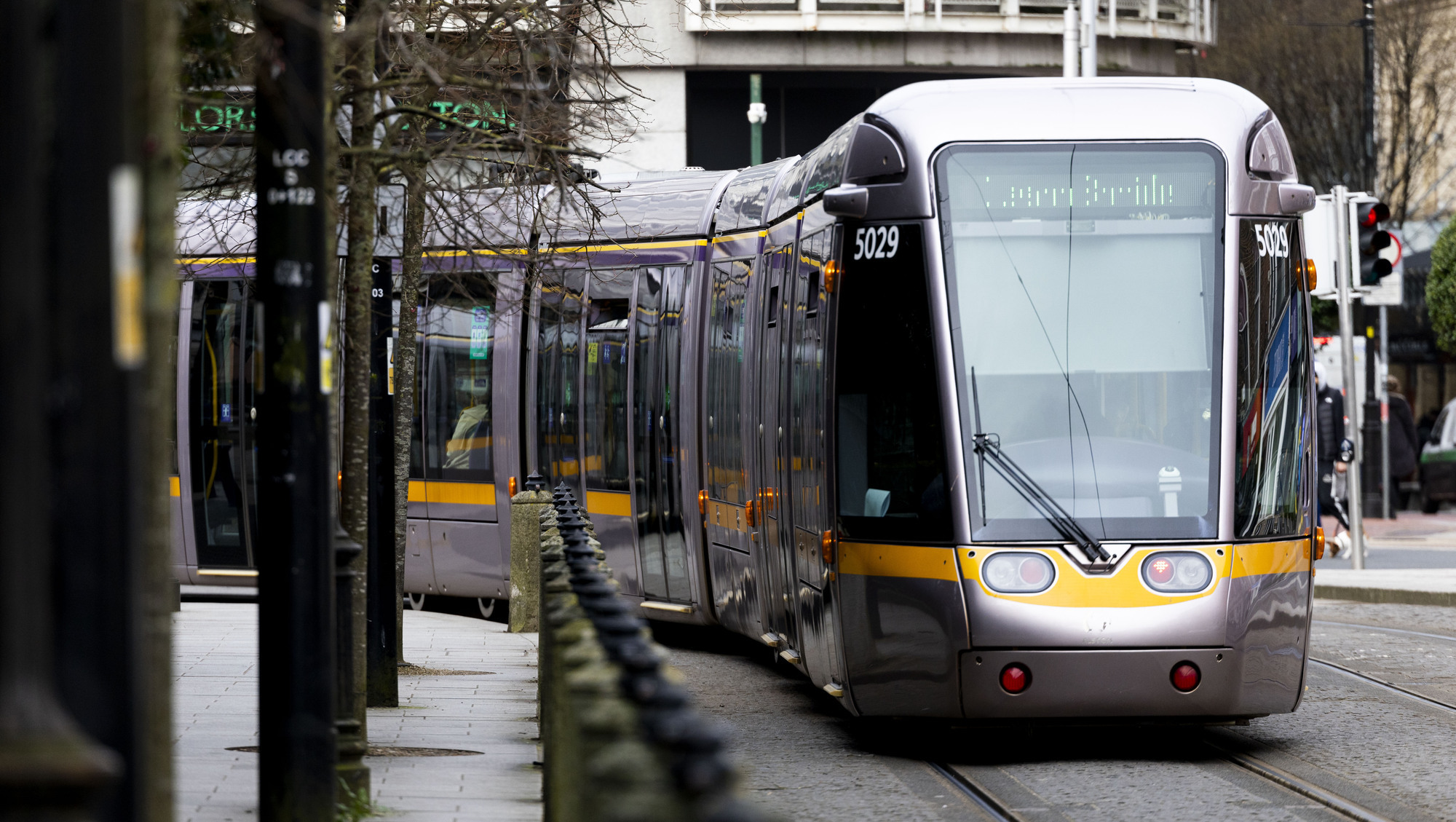
Electricity, particularly when generated from renewables, reduces exposure to global fuel markets, insulates economies from geopolitical shocks, and keeps more energy spending at home.
The global energy system is under strain once again. Conflict in the Middle East has sent shockwaves through oil and gas markets, driving up prices and raising real concerns about supply disruption. For countries like Ireland, still heavily dependent on imported fossil fuels, energy dependence is a clear strategic vulnerability.
This highlights the importance of electrification, not just for climate reasons, but also for security and stability.
Electricity, particularly when generated from domestic renewable sources like wind, offers a level of control, something that fossil fuels cannot. It reduces exposure to global fuel markets, insulates economies from geopolitical shocks, and keeps more energy spending at home. In a time of crisis, that becomes increasingly critical.
Electrification also brings flexibility. Unlike fossil fuel systems, electricity can be generated from multiple sources and increasingly managed in real time. This makes it much more adaptable in a world where uncertainty is the new normal.
And in Ireland, that flexibility is about to become much more real for consumers.
From June 2026, all major electricity suppliers will be required to offer dynamic tariffs, where the price of electricity changes every 30 minutes in line with wholesale market conditions.
For the first time, households will be able to see day by day, hour by hour, when electricity is cheap, abundant and increasingly renewable. Prices will typically fall when wind and solar generation are high and rise during peak demand when we are forced to rely more heavily on gas.
This is a fundamental shift. Until now, most consumers have been insulated from the real dynamics of the energy system. From this summer, those signals will become visible and practical.
For years, energy policy has concentrated on supply. The focus was always on building more generation, securing imports and improving infrastructure. In today’s volatile environment, the real challenge is not just how we produce electricity, but when we use it.
This is where flexible electricity demand comes in and why it matters now more than ever.
Ireland’s grid faces a simple but growing problem. Demand peaks sharply in the early evening, just as solar generation falls away. To bridge the gap, we rely heavily on imported gas. That is a cost issue and, in times of geopolitical instability, it becomes a security risk.
But there is now a flexible, smarter, alternative and dynamic tariffs will accelerate it.
These give households and businesses a clear incentive to shift usage away from peak periods. Run the washing machine when electricity is cheaper. Charge the car overnight. Heat water when wind or solar generation is high. Individually, these are small changes. Collectively, they reshape the system.
For businesses in Ireland, electricity demand flexibility can directly affect profitability and competitiveness. Energy costs are a significant expense, especially across sectors such as manufacturing, retail and hospitality.
By adjusting when certain equipment operates, businesses can avoid peak charges, improve sustainability and reduce carbon emissions. Businesses can also participate in demand response programmes and receive payments for reducing electricity use when the grid is congested. The benefits are immediate.
This isn’t about asking people to use less. It’s about using energy in a smarter way.
It makes better use of Ireland’s growing renewable energy supply. Crucially, it also gives households and businesses a direct role in energy security. Small actions taken collectively can have national impacts.
We often think of energy security as something delivered by governments or utilities. But in reality, it is increasingly shaped by everyday decisions, when each of us chooses to use electricity and for what.
In a world of uncertainty, the future lies in electrifying how we power our homes, transport and industries. This electricity generation will increasingly rely on renewable energy which needs to be backed up by a system that can manage variable demand to meet variable supply. Not just to save money or reduce emissions, but to help build an energy system that is more secure, more resilient and less exposed to global crises.
The future of energy won’t be defined by supply alone it will be defined by how intelligently we use it.


CONNECT WITH US TODAY



Be the first to know the latest news and updates