Renewable Island Urgent need to prioritise Irish energy independence
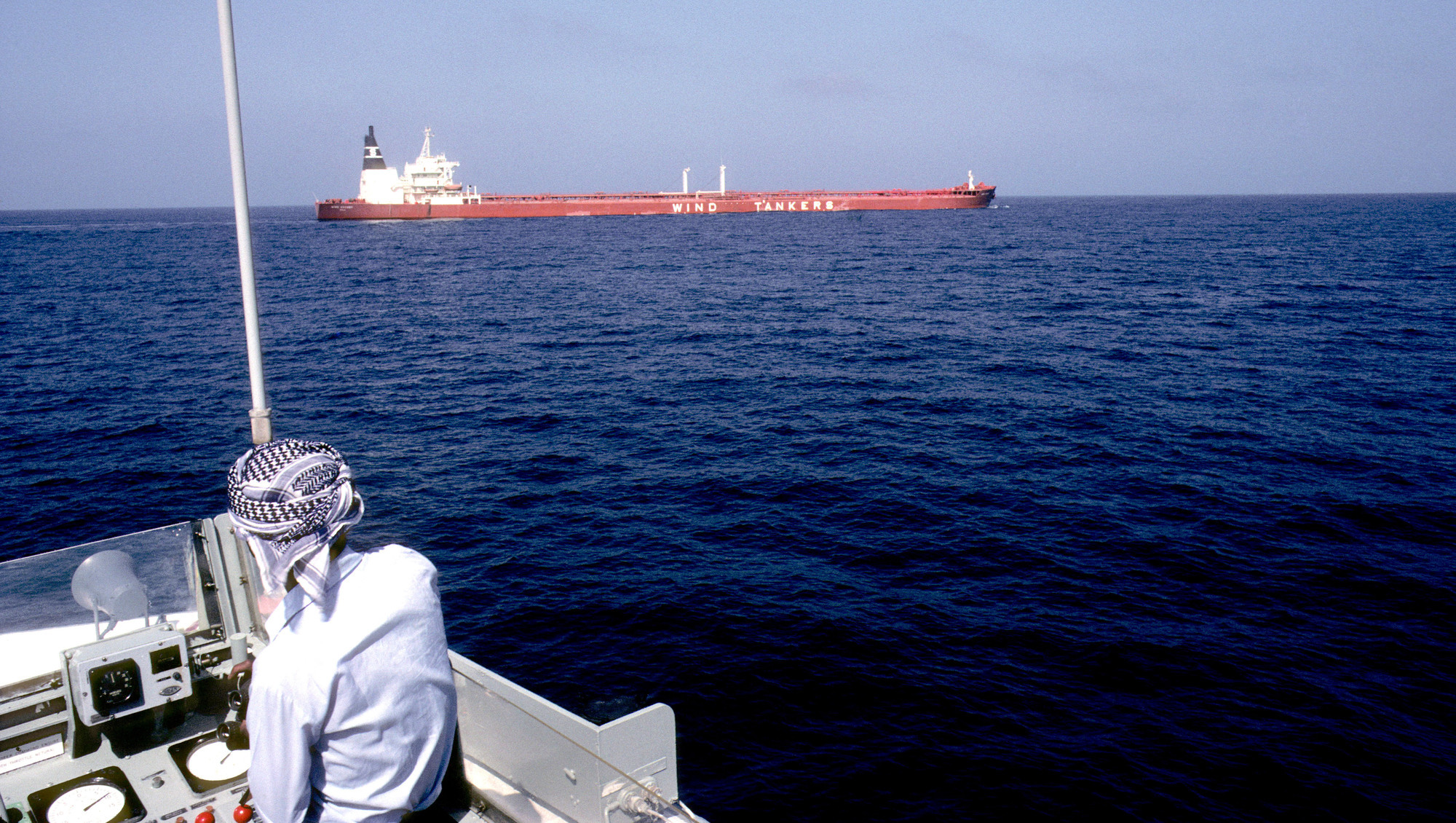
An Omani navy patrol keeping an eye on oil tanker traffic in the Strait of Hormuz. Ireland could reduce the impacts of global instability by accelerating its transition to generating its own clean power from wind and solar.
On March 18, Iranian soldiers fired five ballistic missiles at a target in Qatar. Four of them were intercepted, but the last one managed to get through Qatar’s air defences and, a little after 7pm Irish time, struck an industrial facility called Ras Laffan.
As the crow flies, Ras Laffan is about five and a half thousand kilometres from Ireland but this one missile, out of all of the thousands fired during this conflict, hitting this one target had an immediate impact.
The next day, when European markets opened for trading, the price of gas immediately rose 35 per cent.
The companies who buy and sell gas to heat our homes or to generate electricity were already paying around 50 per cent more than they had been before the US – Israeli attacks began at the start of March, and now they faced another price spike because of a missile fired half-way round the world.
The reason for this is that Ras Laffan is the world’s largest export facility for Liquified Natural Gas (LNG). Normally, around one in every five LNG shipments around the world starts out from there, but the missile attack put an end to that. And even though less than 10 per cent of EU gas imports come from Qatar – we are, instead, dependent mostly on Norwegian and US imports – prices spiked immediately.
Thankfully, since then, gas prices have been slowly falling. But they are still higher than before the fighting started, and everyone is feeling the pressure from higher prices for diesel and heating oil and facing increasing uncertainty about what is going to happen next.
But there is one thing we can predict – this is going to happen again. This is the second global fossil fuel crisis in five years and, given the level of geopolitical instability in the world today, it is inevitable that once this one is resolved and some form of normalcy returns, another will come along soon.
It might be in a couple of years, or five, or ten, but as long as we choose – and it is absolutely a conscious and deliberate choice – to depend for our energy on imports from an increasingly volatile and erratic fossil fuel market, we are vulnerable.
And when the next crisis hits pensioners will, again, worry about the price of heating oil. Transport, fishing and agricultural sectors will, again, face enormous pressures as diesel prices rise. Families will, again, sit at the kitchen table looking in disbelief at their electricity bill.
In response, the Government will, again, react with energy supports, cuts in taxes and excise, and other initiatives to try to alleviate the impact on people. All of which will cost taxpayers money that could have been used to invest in childcare, new infrastructure or more housing. Instead, it will be used to help families struggle through the next fossil fuel energy crisis without slipping into poverty.
That’s our future. That is the one we are choosing.
But we can make a different choice. We can choose to generate our own clean power from wind and solar. We can support this with more interconnection and new technologies, like long-duration energy storage.
We can build new onshore wind farms – the cheapest new electricity generation in Ireland – and accelerate the delivery of offshore projects. We can build new solar farms, install more solar panels on our homes and provide more support to ensure families unable to afford solar panels – the ones who need them the most – are able to make that choice and cut their bills.
We can invest in electrification and use our opportunity as holders of the EU Presidency later this year to prioritise the coming European Electrification Action Plan. We will have allies in doing so, as countries across the continent are trying to reduce their own use of fossil fuels.
During this crisis wholesale electricity prices in Spain have been among the lowest in Europe because, as their prime minister recently told reporters, “there has been a consistent commitment…to be at the forefront of the renewable energy roll-out, therefore protecting our economies, our homes, our industries, our workers and companies from shocks such as this”.
France recently announced it will double the amount of funding it is providing for electrification to €10 billion, investing to swap boilers for heat pumps and engines for electric motors. Consumers are helping to drive this change. Sales of battery electric vehicles in Ireland were up 40 per cent for the first two months of the year.
A report from the ESRI last month found that Ireland’s electricity prices are high because we rely so much on gas imports. They also discovered that countries which, after the previous fossil fuel crisis caused by Russia’s invasion of Ukraine, cut their dependence on gas the fastest saw the quickest benefit in falling prices.
In Ireland, we can see the impact of renewables every month. The average wholesale price of electricity on the windiest days in March was half that of the days when we had to rely most on gas.
We can do even better if we can get renewable energy projects over the line but dozens of them are stalled in the planning system with the number growing every quarter. Every one of those can help make our country more energy secure and can provide greater protection to Irish consumers.
Enormous amounts of clean energy are lost every year because the grid isn’t strong enough to accommodate it, prolonging our dependence on gas, and yet even now some politicians will scramble for votes by objecting to critically needed grid infrastructure like the North-South Interconnector.
But there are positives too. Under this Government, investment in our electricity grid is rising to record levels, the Taoiseach is personally driving offshore wind energy forward through a new Clearing House, the first new offshore projects are expected out of planning by the end of the year and support for renewable energy is strong right across the political divide.
We need to harness that support, use it to unblock our planning system, enable critical infrastructure and tackle the disinformation crisis fuelled by those who want only to prolong Ireland’s addiction to fossil fuels.
Because our choice is between a future depending on fossil fuels, subject to the whims of Vladimir Putin, Donald Trump and any Iranian general firing missiles at Qatar, and a future we write ourselves, where we can depend on our own clean, affordable and secure electricity – an Irish electrostate, resilient, strong and independent.
CONNECT WITH US TODAY



Be the first to know the latest news and updates