Dr Phil Kieran: Does my daughter need medical help for a serious sunburn on her back?
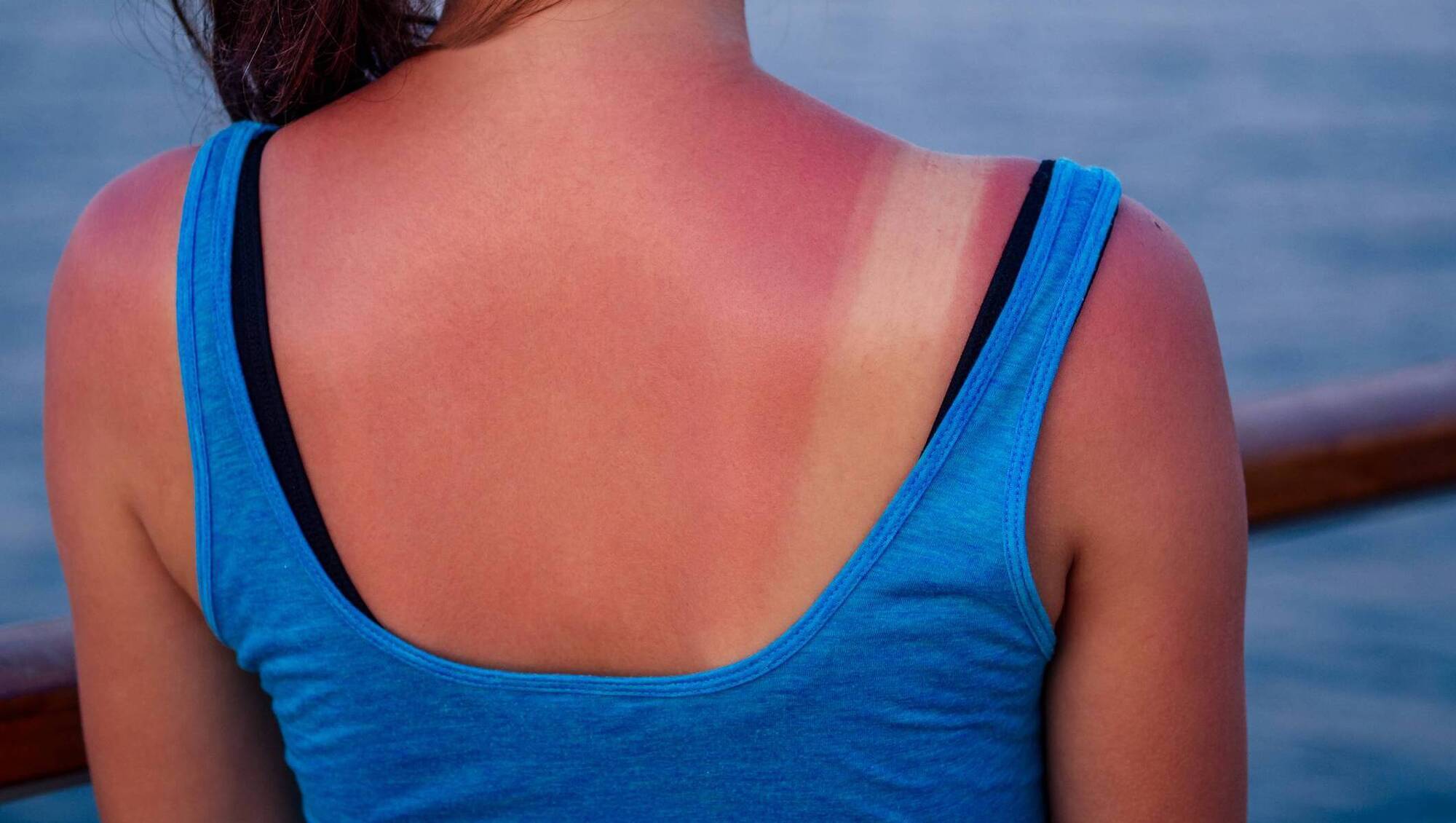
The good news is sunburn (even with blisters) should heal fully in three to 10 days
Dr Phil Kieran: Does my daughter need medical help for a serious sunburn on her back?

Sunburn can be an incredibly sore, itchy and irritating experience and one that we should all try to avoid. Picture: iStock 

My 15-year-old daughter went to an outdoor concert recently and got badly sunburnt on her back, which later blistered. She had to take a day off school to recover.

I got a lotion for sunburn at the chemist’s, which has helped reduce the pain. But her skin still looks very sore, and she can’t sleep on her back. Is it simply a matter of waiting for the sunburn to heal, or should we seek further medical attention?

Sunburn can be an incredibly sore, itchy and irritating experience and one that we should all try to avoid. Unfortunately, in Ireland, the weather can be so unpredictable that we cannot always rely on the forecast to know when to use sunscreen. Checking outdoors to see how the day looks can also catch you out.

The worst sunburn I have ever had happened on a completely overcast day when it wasn’t that hot. I completely forgot about sunscreen and got fried. Now, I tend to be more careful by checking the UV index on met.ie and putting on suncream even if I’m not 100% sure it’s necessary.

Sunburn is an inflammation in the skin that happens in response to ultraviolet radiation. Radiation damages cells — the cells then break down, and the immune system reacts by removing them — this is the part that causes pain and redness. 

If the damage is more severe, you can get blisters, as happened in your daughter’s case, and these can start to peel as the skin begins to heal.

Understanding this sequence of events shows that, unfortunately, once the skin is red, it is too late to prevent sunburn, and all we can do is help the skin heal as best as possible.

That said, the good news is sunburn (even with blisters) should heal fully in three to 10 days. The redness should go away within about seven days, and the blisters should heal within 10. The sensitivity of the skin will probably ease around the same time the redness does.

As the skin heals, it can become itchy, so using an antihistamine to reduce itching and prevent scratching is advised. If the blisters don’t pop on their own, we usually recommend leaving them intact, as they provide a barrier that keeps bacteria out.

The skin will be more porous because it is inflamed, so using a generous amount of plain moisturiser frequently will help reduce the itch and keep the skin supple as it heals. I would suggest using the moisturiser regularly until the skin finishes peeling (which, I’m sorry to say, it is likely to do after this degree of burn).

I would encourage everyone to have a responsible attitude towards sun safety and to use sunscreen routinely, not just on the days it is splitting the stones. Getting out in the sun early in the morning or late in the evening for 10-20 minutes will provide a lot of your vitamin D requirement, and anything more than this you should really be covering up and wearing sunscreen (even if you ‘don’t burn, and always just tan’).

I would also like to take this opportunity to remind people to be aware of any changes in moles or freckles and to see their doctor if they notice any. The online HSE information page on moles is an excellent source if you are concerned.

If you have a question for Dr Phil Kieran, please send it to parenting@examiner.ie

x

More in this section

Cookie Policy Privacy Policy Brand Safety FAQ Help Contact Us Terms and Conditions

© Examiner Echo Group Limited