Home Q&A: What's the best way to repair wallpaper rips and scuffs?
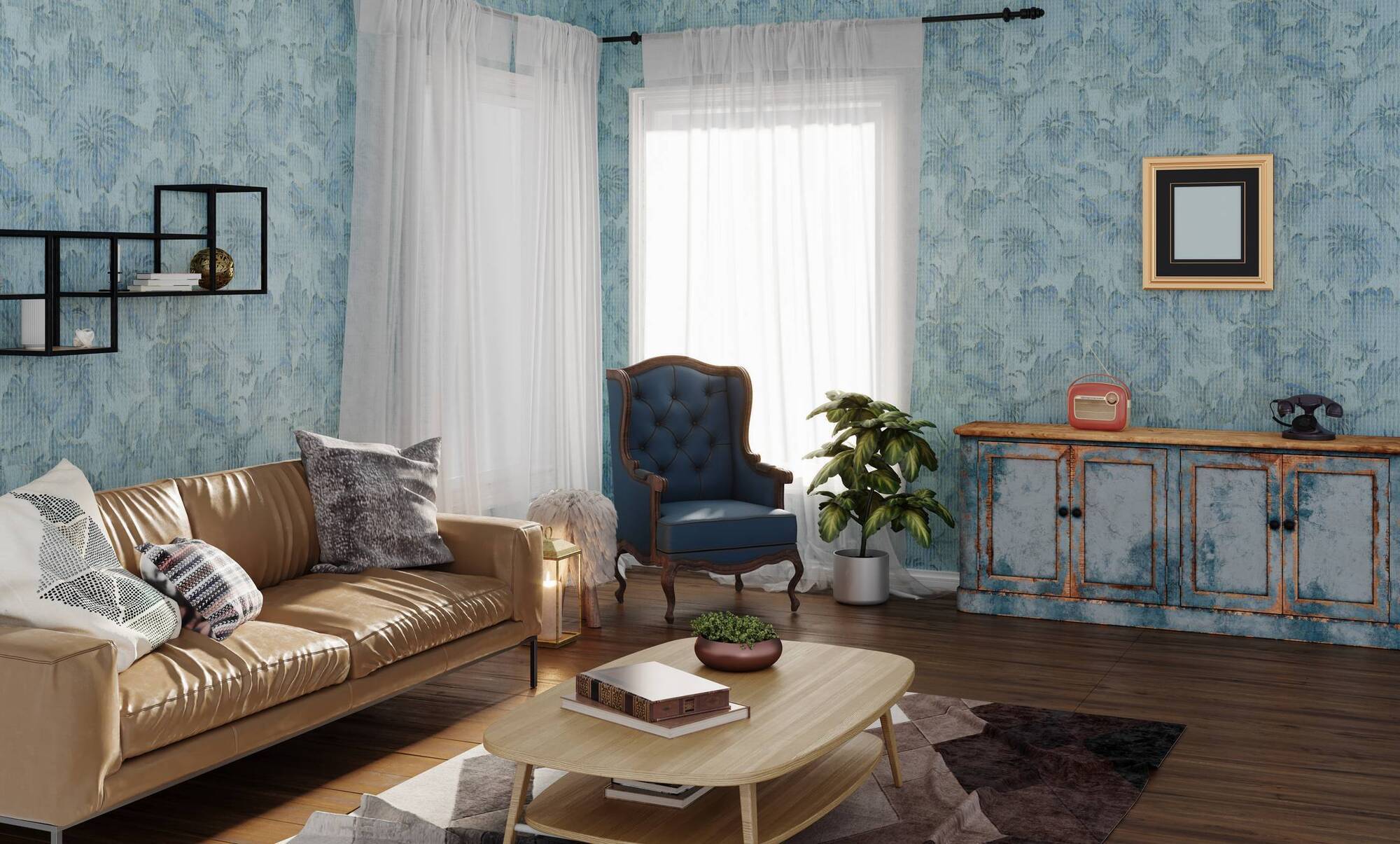
Not all wallpapers are made alike. Determine what you’re dealing with before you start cleaning, sponging or scrubbing off stains. File pictures
Following a lot of visitors to my house over Christmas, I’ve found a few rips in the wallpaper in the hallway, the two main ones at the seams. Can these be repaired, and can I clean light scuffs off the other surfaces?

Once lifted even a split millimetre, wallpaper is vulnerable to damage, and in the narrow quarters of a hall, with people collecting up pokey items like umbrellas, packages, this sort of damage is fairly typical. If the paper is intact but lifted in places — don’t panic.
First of all, you haven’t spoken of the position of the damage. If it’s seriously gouged, my first idea is sheer disguise. If you have a hall table or chair — possibly a hanging rail for coats and so on — you could reposition these to cover the problem until you can completely redecorate. The thing to keep in mind is that the longer you leave the paper lifted, it will eventually curl back more firmly, creating a material “memory”. This can make it difficult to get back down without the trouble of steaming it flat.
Pulls to the seams of the paper are not going to heal themselves, and once up, rips and snags tend to connect with passing traffic or dry out, and overall, they do get worse. We can attempt to stick the damage down again, and happily, there are dedicated kits for minor problems. Solvite Wallpaper Repair is a very popular go-to, offering a small tube of a strong adhesive. It’s just €9 or so for 56g in a ready mix, and designed to handle small lifted areas, torn edges, overlapping seams and loosened decorative borders (which tend to get really roughed around at dado level). Trust the process as it does go on white.

For seam, don’t winkle up the edge if it’s only barely coming up, wet it from the top surface, very lightly. If it’s lifted out of position with a couple of hinged tears, use a paintbrush (a small, flat artist’s bristle brush is ideal) to apply a very light lick of clean water to the underside of the paper. This will refresh the remaining adhesive on the paper.
Open your tube of adhesive (it’s small and easy to handle) and put a line of adhesive along the seam directly from the tube, down onto the wall. Don’t use too much and smooth it off with a dry brush if necessary. When you’re satisfied the area you’re working on is covered, press the wallpaper down across the seam. Dip a soft, clean, white cloth into a little water to just dampen it and wipe off the excess adhesive, which will have bubbled out of the seam. Use a wallpaper seam tool to run along the join, ensuring it’s perfectly flat.
Patching walls or even murals with new paper is tricky, as we need the original wallpaper or the exact area of the mural (tip here — keep some remnants and/or half rolls next time around). There’s also the job of cutting out the area from the original paper to match the patch which is tricky.
Cut out an area with clean edges, as any ragged pieces will be hard to puzzle together. Always start with a patch a couple of centimetres larger than the hole it's going into and then trim it back with acute attention to detail, avoiding gouging into the wall with the edge of the blade. It’s easier to succeed with this little arts-and-crafts adventure with a very busy pattern where tiny mistakes will not be noticed.
A really sharp craft knife and a bit of confidence — it can work. Stick the patch down with adhesive or a repair kit, spreading well to avoid bubbles in the final finish. Wipe down carefully.
Too much paste and too thick a consistency could leave a rise where the patch sits. Will your landlord notice a patch job in a rental? Quite probably, if the deposit is at risk. It might be a better idea to record the damage, leave it alone, and hope they will put it down to “fair wear and tear”.
Cleaning wallpaper really depends on what its top layer is made of. A vinyl paper can be lightly wiped off and even scrubbed, but more “paper” wallpapers can be highly porous and will stain permanently with the addition of a solution or a wet wipe.
Flock wallpapers can be very lightly vacuumed with the soft brush attachment of the vacuum, but ensure it is scrupulously clean. Maker Graham & Brown advises us to check the paper for legends, which can show you how to handle it if it gets dirtied. SPONGEABLE is a single horizontal wavy line. Found on uncoated wallpapers such as fibrous products, these require gentle cleaning.
Washable is represented by two wavy lines, and super-washable is represented by three. Scrubbable papers have a wavy line at the tip of the legend, a horizontal rectangle and a toothy symbol at the base. Check the brand’s advice to ensure you’re reading its guidance correctly through these icons.

The best advice I can give regarding cleaning a paper you’re unsure of is to test an area of paper completely out of sight (pull out a piece of furniture). Don’t go in with coloured Play-Doh, Scrub Daddies or any of the many feted hacks that can destroy the walls. Try a light rub one way and then the other over a stain with a dry microfibre cloth to start. Imagine it’s your face — take it easy.
Going up a notch, use a clean, preferably white microfibre cloth, dipped into a couple of litres of water with a dash of mild washing-up liquid. Have a clean, soft, white hand towel on hand. Wring the cloth out until your eyes are bulging out of your head and your hands are aching. Lightly (like it’s your baby’s face), work the cloth one away and then the other across the marks in light, darting motions.
Never drag the cloth, or over-wet it, and avoid wetting seams and tears, or they may be waving off the wall by the time you finish. Turn and wring the cloth out occasionally as you work in a perfectly clean solution (watch that it’s not picking up dirt). Dry the areas as you go, blotting off with the white hand towel.
As for cleaning pastes? The most I’ve ever risked is an almost dry paste on a shaking finger made up with baking soda worked with a drop of water. White bread rolled into a small dough can lift light stains.
Again, with a porous paper, you could be doing more harm than good, so make every effort to identify exactly what you’re working on before going berserk with anything harsh, commercial or above all — wet. Even baby wipes can contain unexpected, staining ingredients and oils.