Let the sunshine in: Surge in demand for solar-PV among Irish homeowners 

There were 10,000 applications for the solar-PV grant in the first three months of this year. We discover the reasons for the dazzling domestic demand
Let the sunshine in: Surge in demand for solar-PV among Irish homeowners 

The national electric average for electricity use (three-bed semi-D) is 4200kWh per year without an EV charge or heat pump (HP). Even a modest PV-solar array can clip a healthy percentage from year-round use by putting credit on a bill. File pictures

I admit, I have deep, disturbing solar-photovoltaic (solar-PV) envy. In 2019, my 4.2kWp array and 6.5kWh battery were considered a larger solar system. I even threw down money on a solar water diverter (Eddie by MyEnergy). Now, despite very welcome savings, my system is a flame-faced tiddler.

How about 60kWh-80kWh-plus in solar gain in a single spring or summer’s day? This delivers a whopping figure in excess kWh back to the grid as credit on a bill, while running the house in real time, topping multiple batteries, and powering a heat-pump or an electric car (EV).

The performance of some of today’s 10kWp-15kWp-plus arrays matched to 10kW-12kW inverters, with up to 25kWh of battery storage (or more), is dazzling. Some customers with deliberately over-sized roof or ground-mounted arrays have four-figure credits on their bills by September.

Yes, you read that right. Panel-maxing (also called DC-over sizing) can be used to kill the bill and beat a path through even cloudy weather to serious year-round savings. This is a growing trend for those who can afford the hardware.

There’s an expanding group of solar-PV users in the 6kWp-8kWp division also making impressive use of their systems 24/7, with collectors large enough to be useful 12 months of the year, and batteries big enough to both fill for household use and to feed the grid when the sun goes down, exceeding the simple parameters of personal consumption.

CLIMATE & SUSTAINABILITY HUB

These are real enthusiasts who know how to hit that sweet spot and minimise wasteful “clipping” with advanced inverter settings.

New BER ratings bring increased value

The new BER ratings in place since May 24 of this year bring increased value to renewable energy contributions, including solar, potentially pushing some homes up a whole BER band when reassessed.

A new report by installer network EnergyEfficiency.ie, based on over 100,000 grant-supported installations from the SEAI’s solar-PV scheme data, shows that nationally, the average domestic solar-PV system increased in size by 68% between 2020 and 2025, rising from 3.7kWp to 6.2kWp.
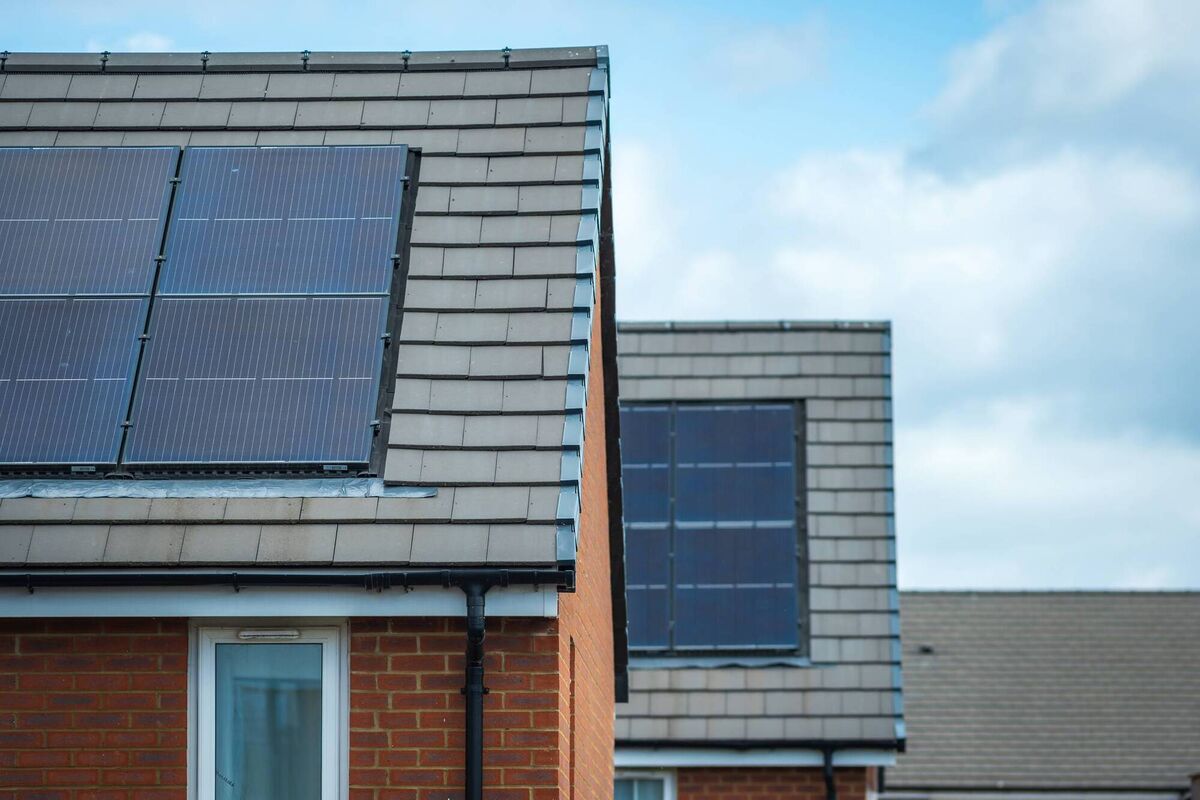
The average cost per kWp (potential kW peak of power on the roof) has fallen almost 39% since 2020, slumping dramatically from €2,762 to €1,689 nationally. Little wonder there were 10,000 applications for the SEAI solar grant in the first three months of 2026.

There’s battery storage in around half of these installations.

One in every 18 homes nationwide installed solar panels with the support of an SEAI-managed grant from 2020 to 2025, offset by €219m in grants, with over 33,000 installs in 2025. This doesn’t even include systems installed or beefed up without grant aid.

Why is solar-PV so popular right now?

What is the reason for the growth in size and popularity of solar-PV? Brian Kelly, editor of EnergyEfficiency.ie, points to the removal of planning permission requirements for rooftop solar-PV installations from October 5, 2022, which allowed homeowners to install unlimited panels on their homes for the first time. “Previously, a solar system could not cover more than 50% of the roof, or more than 12m2 of roof space, without planning permission,” he says. “On May 1, 2023, the Government also removed VAT on domestic solar components, including solar panels, inverters, batteries and the installation itself,” he says.

Eyes to the skies

In my view, the helter-skelter of power prices has also turned many householders’ eyes to the skies. As domestic users, we pay €480 more for power than the EU average (€480 per household — Eurostat May 2026).

Standing charges become a distant memory as truly serious solar-PV systems flog excess from 19c to 25c a kWh back to the grid at up to 5.75kW per hour. Add a battery or multiple batteries, and a system can be set up to automatically download charge to one or multiple tiers of domestic batteries using smart-meter EV tariffs as low as 5.99c per kWh during the wee hours at 7kWh per hour (typically 2am to 5am) — Pinergy/EV drivetime.

Back to the grid

This cheaply collected power can be sold back to the grid later the same morning at a higher 19c to 25c per kWh. This export is treated just like excess straight off the roof and is enjoyed as credit on the customer’s power bill.

The empty batteries can now be topped up by the sun and be used alongside direct gain to run the home.

Bill credit just keeps piling up, and spring/summer is high season. As long as you work within the bounds of being a micro-generator, rather than a mini-generator, you just need that NC6 certification from the ESBN to cash in.

It is possible with the permission of ESBN to handle the export to the grid from a second dedicated inverter just to handle export to the grid (apart from the typical one handling the household usage).

For more of this technical wizardry, join the Irish Solar Owners group on Facebook to be illuminated by the system suppliers and residential pioneers juicing it all up.

There’s also a handy ESBN document for anyone nerdy enough to read it, see Media.esbnetworks.ie.

Heat pump and EV-charging

I had in decades past said that homeowners should dismiss the idea of using their solar-PV to run a heat pump (HP) or to charge an EV in any meaningful way.

These bold domestic micro-generators blast through all my shady notions, with impressive year-round solar gain and credit managed by app-based software, and good old maths-based planning.

That said, EV-charging overnight offers superb value that some say is best kept in place, leaving excess gain to be sold to the grid.
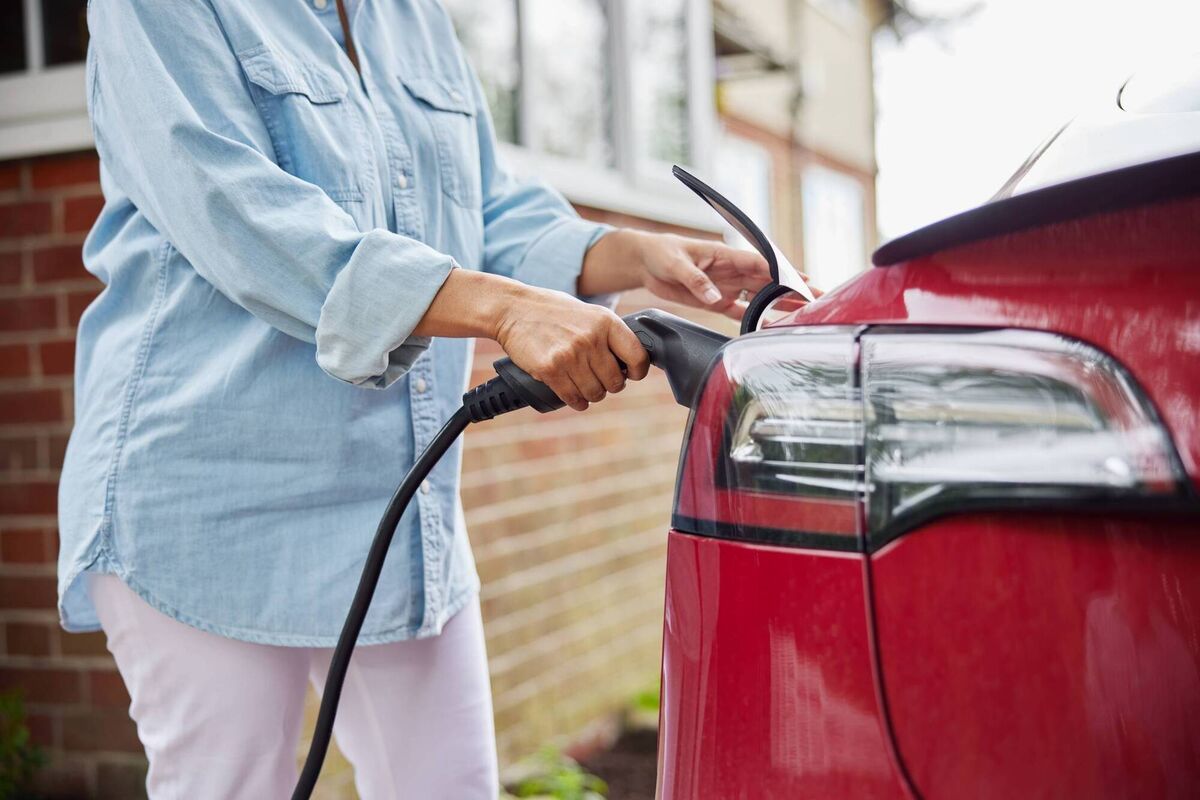
The backed-up credit on a power bill, served by well-positioned panels (more than are technically needed to run the home), allows some householders to sail through winter not paying much, if anything, for electricity/VAT/PSO and standing charges.

These gains are vulnerable if there’s a prolonged period of bad weather, and a large HP or large EV battery are bleating for attention. However, a large credit on a customer’s account gathered throughout the spring and summer can ease the seasonal pain of solar-PV performance, reaching real energy independence.

Ground-mounted arrays

We rarely get a win with utilities. Ground-mounted arrays are fantastic for getting a perfect aspect and angle to harness free solar energy.

Ground-mounting is limited to those who have enough up-front capital and square metres of room to include them without vandalising the garden.

Reduced payback time

The payback time for a solar-PV installation has been reduced by better prices for arrays, and (I have to say) the soaring cost of power from the grid. “A typical household installing solar panels in 2020 was facing a payback period of around 10 years,” according to Brian Kelly of energyEfficiency.ie. “Today, that has fallen to no more than six years for most people.” As solar-PV users, we’ve proven that this technology works well in spotty Irish conditions. It’s about light, not blistering wall-to-wall sunshine.

Surely, sustainable energy should be there for everyone to enjoy, regardless of their income. In my opinion, the solar grant managed by the SEAI is not enough in the face of unstable power prices (currently ascending).

It’s only holding at €1,800 at the moment due to the mercy of the Government’s 2026 budget. The average pre-grant cost of all solar installations which received a solar-PV scheme grant in 2025 was a whopping €10,529.

I would suggest there should be a 75% to 100% means-tested award of all costs for a modest solar-PV system by the Government. This would be a solar-PV serving household needs primarily, but even without a battery, users would enjoy a little day-time excess and credit to their bill to offset winter utility bills.

A 2.5kWp-4kWp array would work for most families and house sizes, and batteries could be optional for a further investment.

A five-year lien on the property could ensure that the cost was paid back to the local authority if the house were sold (a similar condition is already used in the Vacant Property Refurbishment Grant).

With a new BER rating system pushing some homes down the scale and away from achieving green mortgages, let’s see what the government can do to bring everyone a little more sunshine.

x

More in this section

Revoiced

Newsletter

Had a busy week? Sign up for some of the best reads from the week gone by. Selected just for you.

Cookie Policy Privacy Policy Brand Safety FAQ Help Contact Us Terms and Conditions

© Examiner Echo Group Limited