Katherine Ormerod: 'I want to rehabilitate the esteem of midlife renters like me'
More Irish people are renting for longer. An author celebrated for house makeovers reveals how revamping your 'not forever home' empowers
Katherine Ormerod: 'I want to rehabilitate the esteem of midlife renters like me'

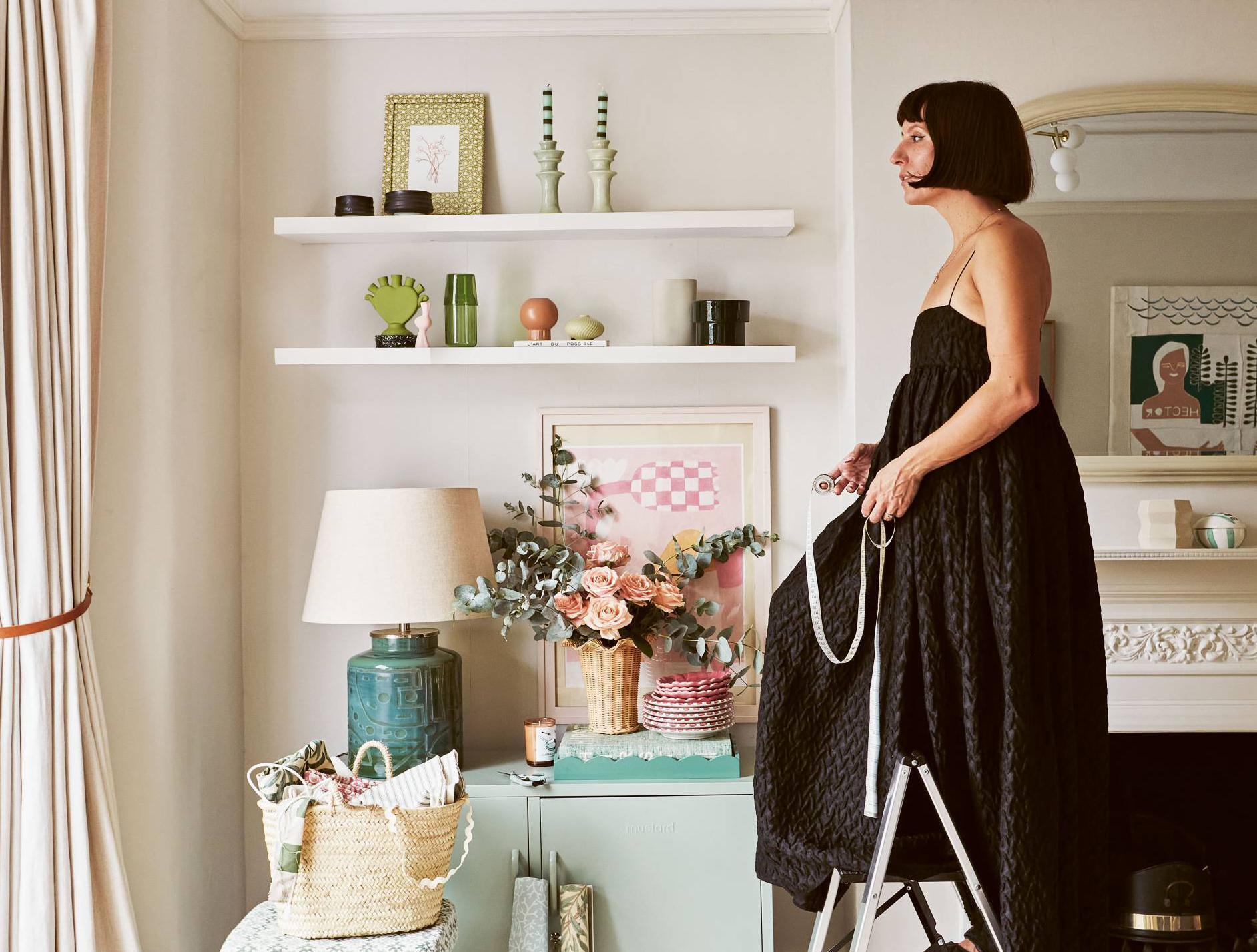
Katherine Ormerod: 'For many people being in a beautiful environment is an incredibly uplifting and empowering thing — especially if you’ve made it yourself.' Pictures: Yuki Sugiura

Over Zoom, Katherine Ormerod is listing some fairly depressing statistics about the UK rental market and the distribution of wealth. The situation in Ireland is similar and the issues run deep. We’ve all seen the news or experienced it ourselves — housing shortages, issues with student accommodation, renters living in overcrowded properties and even sex for rent and renting longterm can also have a serious impact on a renters’ future financial security.

According to the Central Bank of Ireland and the CSO, the richest 10% of Irish households own about as much wealth as the other 90% but housing assets make up three-quarters of the wealth of that 90% as opposed to just 50% of the wealth of the top 10% meaning that the main asset of those who aren’t super rich is their home. 

Private rental accommodation remains more prevalent among younger households, but significant increases were recorded in Census 2022 in the number of dwellings rented by older people. And the age at which two-thirds of householders owned their home (with or without a mortgage) has risen from 28 years in 1991 to 44 in 2022.

Recent reports from property site Daft show that renters pay €3,588 more per year than buyers who have a 90% loan to value mortgage on the same property and while there has been a slowdown in rental inflation in Dublin, by the end of 2022, everywhere in Ireland was seeing double-digit inflation in open-market rents, with rents increasing by 10.8% in Munster and by almost 15% in Connacht.

To look at the Instagram account of Katherine Ormerod you would think she has it all — a glamorous life, beautiful children, a stylish home. With over 74k followers, Ormerod has worked in the fashion industry for years and is an inspiration for her stylish ideas and stunning home makeovers. Oh, and she’s a midlife renter.
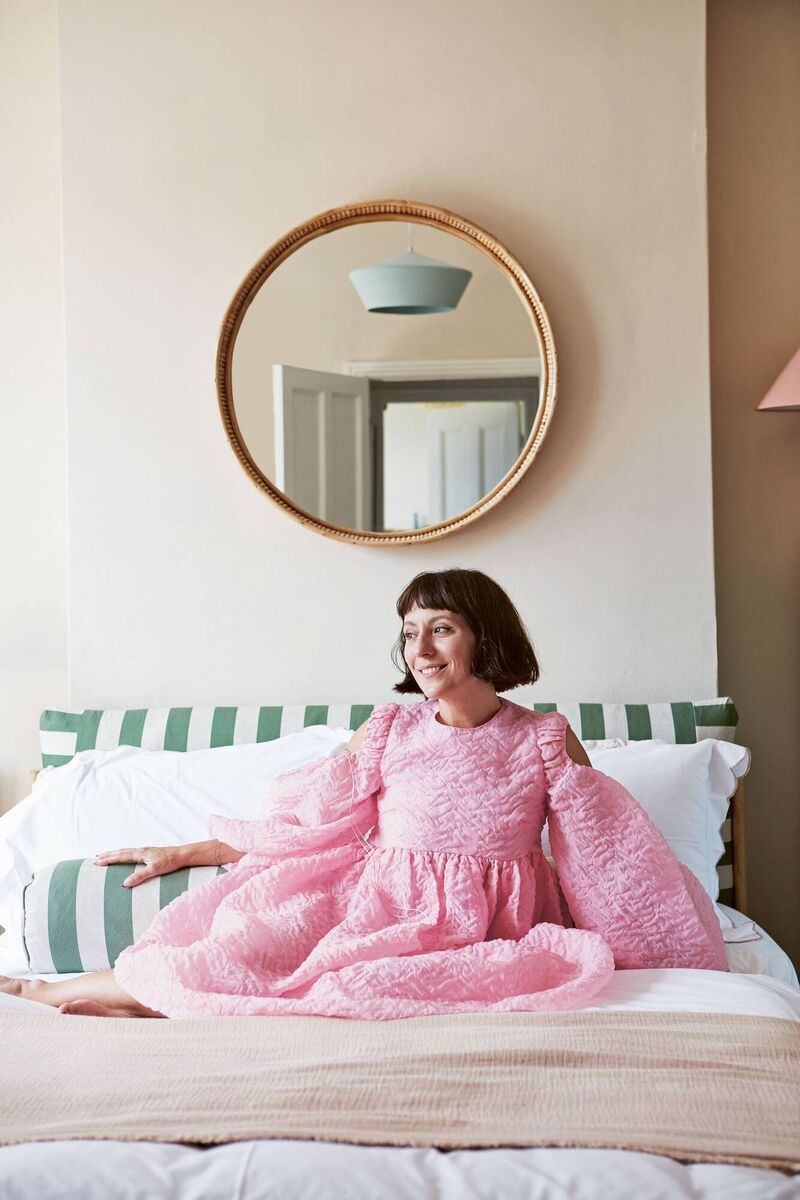
Katherine Ormerod. 
Katherine Ormerod. 

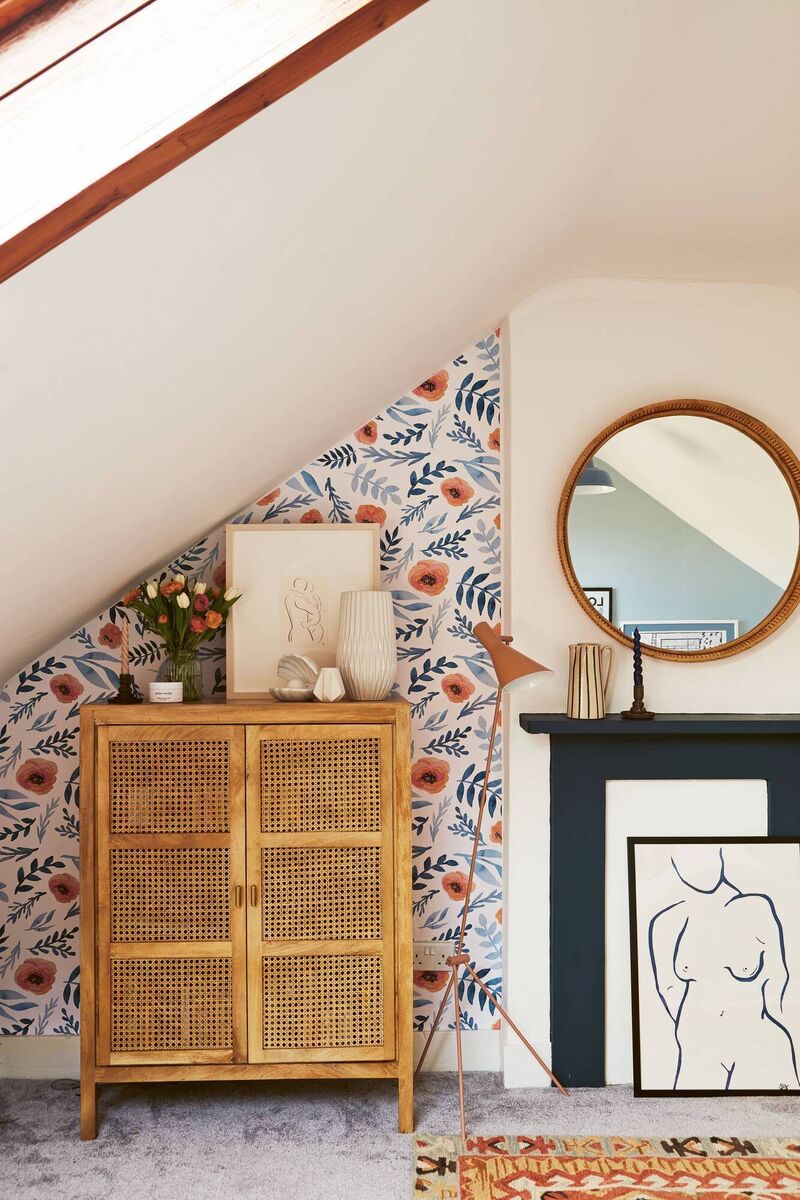
Her new book Your Not Forever Home is a colourful guide to supercharging your rental, but it also explores our relationship with property ownership and Ormerod’s own background.

It is these musings that give this book authenticity and that make it a far more engaging read than the usual DIY guide or stylish coffee table book. “At the start of this book I wanted it to be inspirational and fun but as I started writing it it definitely gained a bit of an edge,” says Ormerod.

“I really want to rehabilitate the esteem of people around my age — the midlife renters — who were raised within a paradigm of success which included home ownership. That paradigm no longer reflects reality but I don’t think emotionally, and from an identity perspective, we’ve caught up with that yet.”

At the start of lockdown, she and her partner were living in a tiny first floor flat in London which they had managed to purchase but which became a huge financial burden due to Brexit, the pandemic, mortgage increases and changes in their personal circumstances. 

That flat finally sold but not without setting the couple on the backfoot financially. She has moved 14 times in 20 years.

The mother of two young sons, Grey and Ripley, Ormerod talks about the embarrassment many renters feel — particularly those with children. “So many of us are feeling like: ‘What have I been doing for 40 years?’, or ‘I have failed at the biggest marker of adulthood’.That is really hard to come to terms with,” she says.

“Don’t get me wrong — I would still love to own my own home because there are so many financial advantages. Lots of people have a good salary but no wealth — years ago if you had enough earning power you could get a mortgage but the world has changed, so I really hope that people reading this book feel a sense of solidarity.”

Her book includes sections on women and DIY, beginners’ tips and “DIY expectations and energy”. “I reconnected with a lot of the skills I’d learnt as a child and teenager because I spent a lot of time with my (working class) grandparents who could do anything,” says Ormerod, who describes her mother as a “classic postwar boomer who didn’t want to be a Stepford Wife, cooked in the microwave and delegated everything”. “Because she was a single parent I had a multi-generational upbringing so I had all these skills. It was never gendered and just because I was a girl didn’t mean I couldn’t use a saw. 

"My mum was one of eight — my grandad on my father’s side was a carpenter and if you wanted your carpet or your plumbing done there was an uncle for it.”
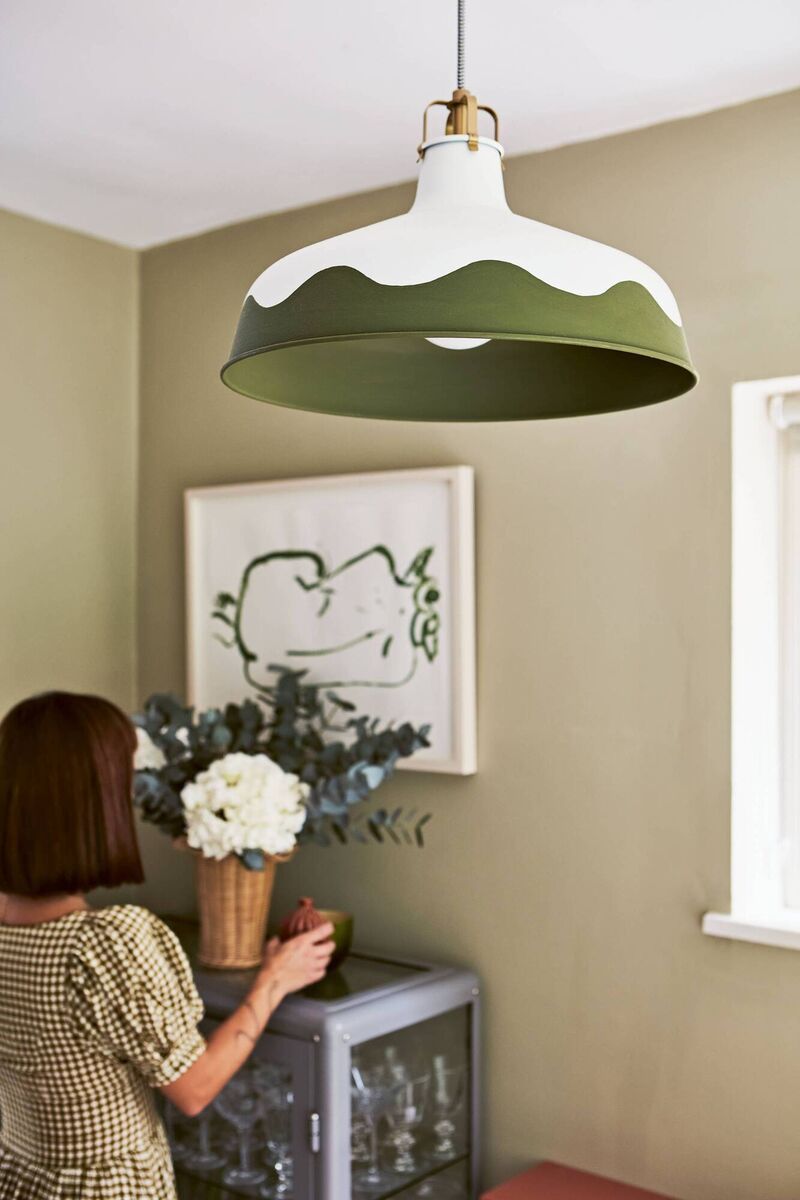
She says that this familial skills bank led to the demystification of practical jobs and a belief that she could do anything. “If I couldn’t afford the curtains I wanted I could look at how they were made and make them myself. The reality is that 50% of the cost in decor and interiors is labour, so if you can provide the labour then you’re getting everything at half price.”
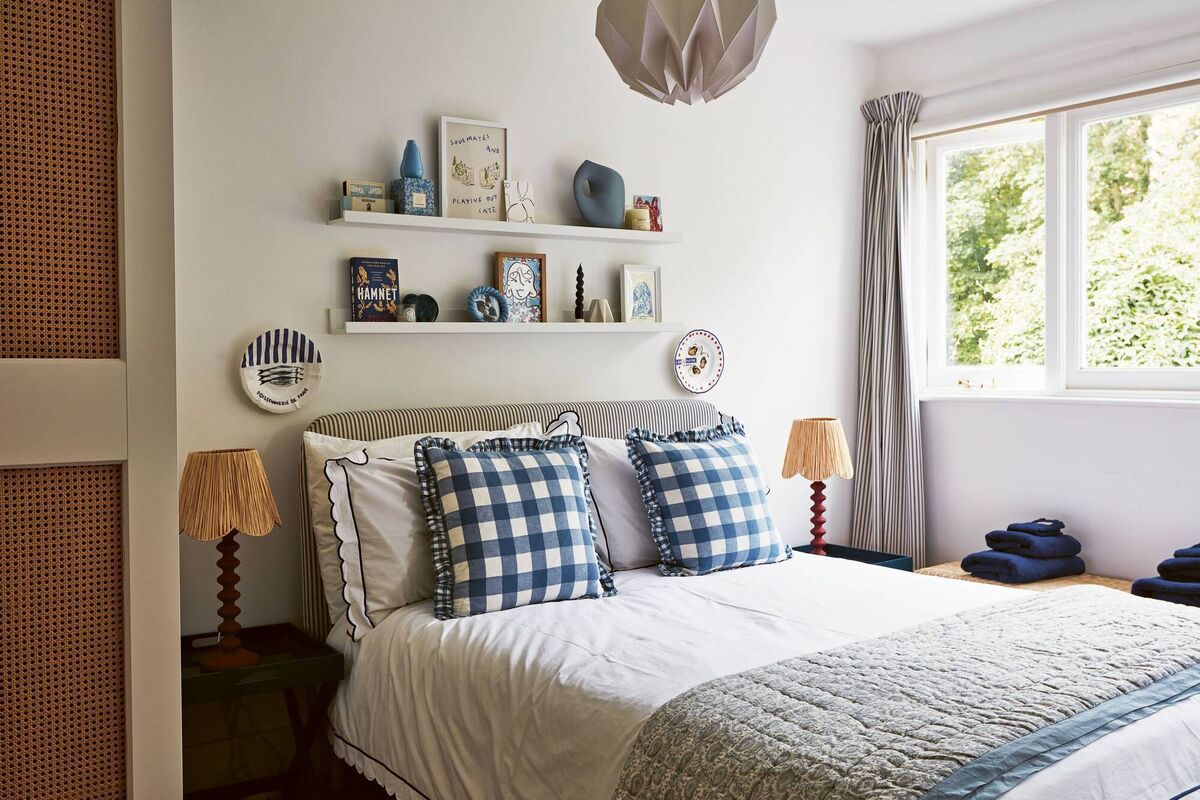
A guest bedroom in Katherine's home. 

While she is very much aware that as a (now) middle class, white, educated woman she has had many systemic privileges, she says that she wanted to share her own story because: “If I was a 14-year-old who’d been living in my house I would think ‘Well, I could never do that’ and I wanted to say ‘Well you can, it is possible to come from a ‘normal’ background and still have a beautiful home’.

“Most of the people I know who have great taste come from ‘normal’ backgrounds — they are artists and creatives and people who work at a high level and they live in beautiful, compelling homes. I think there’s this idea that you have to be posh to have taste or that you have to have come from a background of refinement or aesthetic education in order to be able to craft ‘valuable’ taste.”

Ormerod says that most of what we see in books and on social media is “smoke and mirrors” — something she has tried to avoid in Your Not Forever Home. 

She is keen to encourage self-expression and writes about touchpoints of her own — the Arts and Crafts movement and art deco, her love of print and the Picasso colour palette, and how she prefers homes that are “slightly crumpled” to those that are “perfectly done”. “Self expression is about what you like and deciding what your taste is outside of the ubiquity of social media.” “Personally when I walk into homes that have been so ‘done’ I find them quite soulless. I am not a wild new build fan myself — I like older places that have history steeped into their bones and I like to see my own handprint on a place. I was born in Munich and in Germany they call it ‘gemutlichkeit’ — cosiness and informality.”

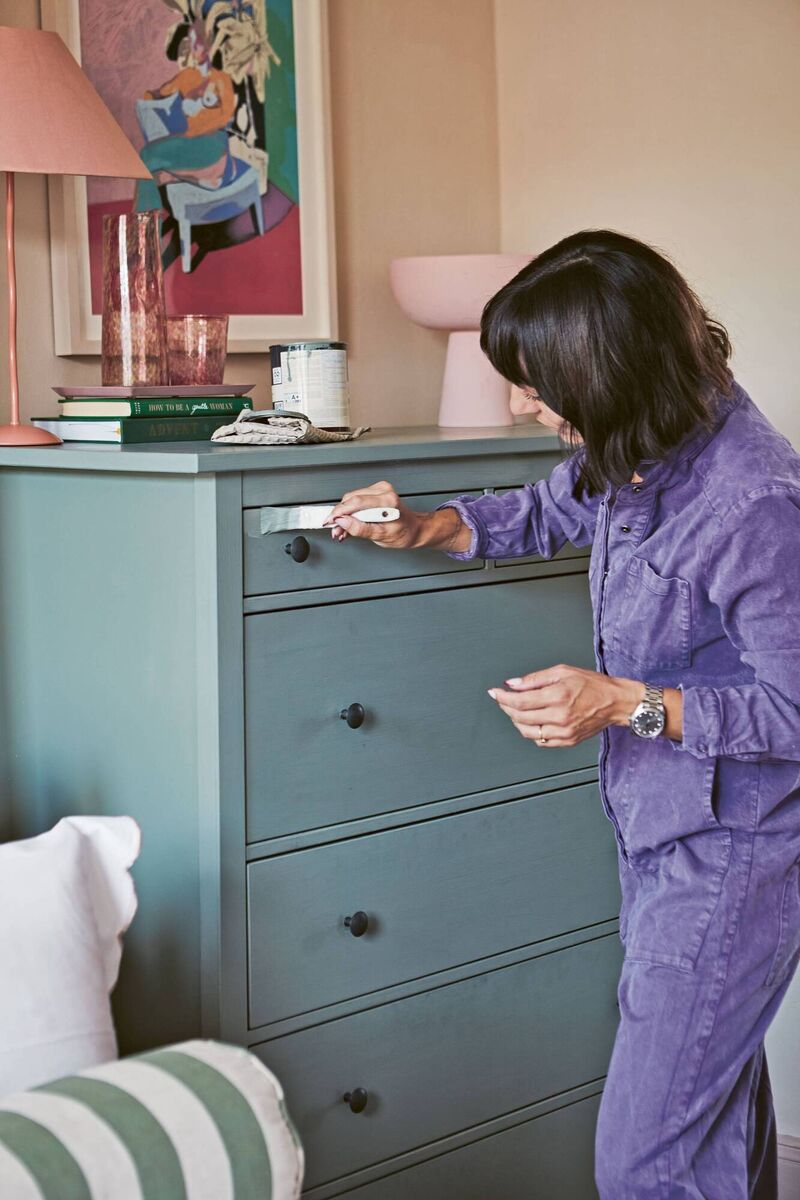
She says the key to any redecoration of a rental is to ask permission and to “keep it light”. She makes lightweight frames for cotton blankets and recommends paint and fabric as a way to inject rentals with colour and texture. She is a huge fan of temporary wallpaper, Command strips and removable vinyl and says that innovative materials now offer renters great options.

“So many rentals are painted optic white so fabric is a great way of bringing in colour and also has an impact on the auditory tone of a room — you often get an echoey feeling in rentals. That’s another reason I am big into window dressings and bolster cushions. I even have a valance in my bathroom which is stuck on with Velcro and therefore easily removed.”
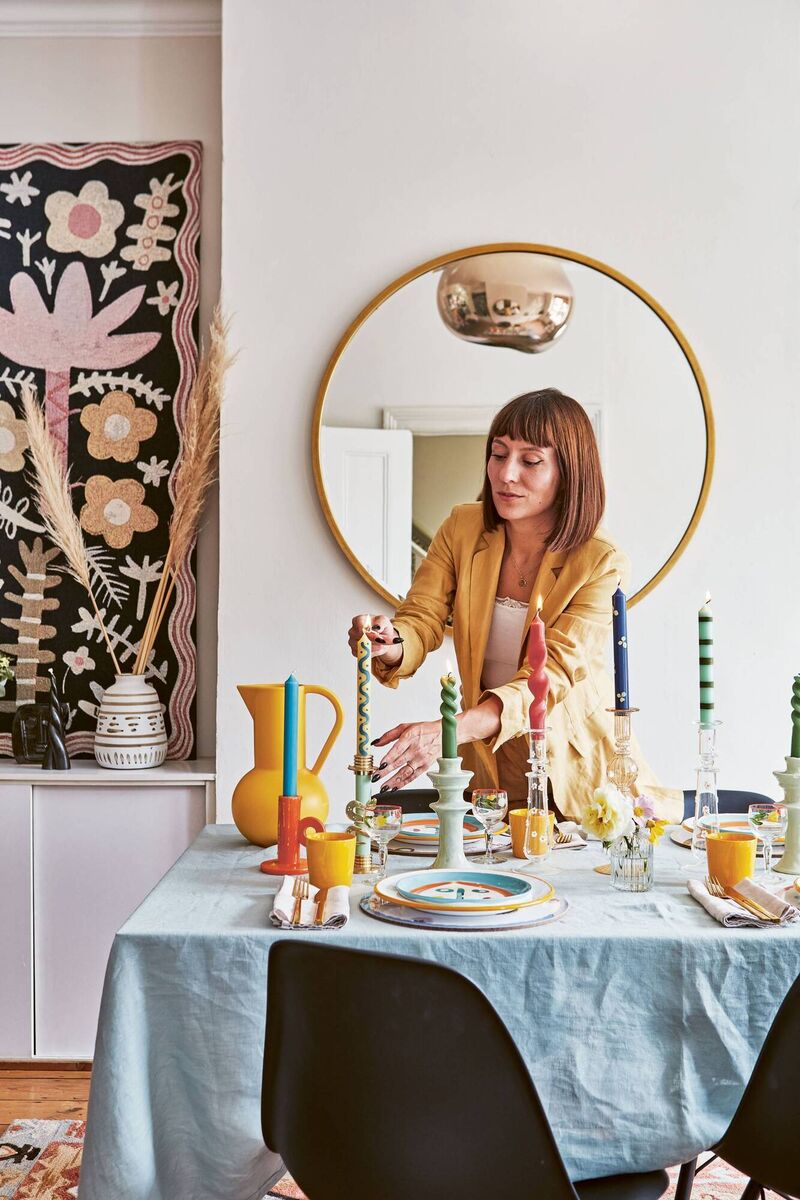
Our homes now work harder than ever before and Ormerod has written a ‘Zoom room’ chapter. “Sitting in the same spot to eat, watch the TV and work is bad for your mental health and your mobility so I encourage people to zone their space and move between those spaces.” 
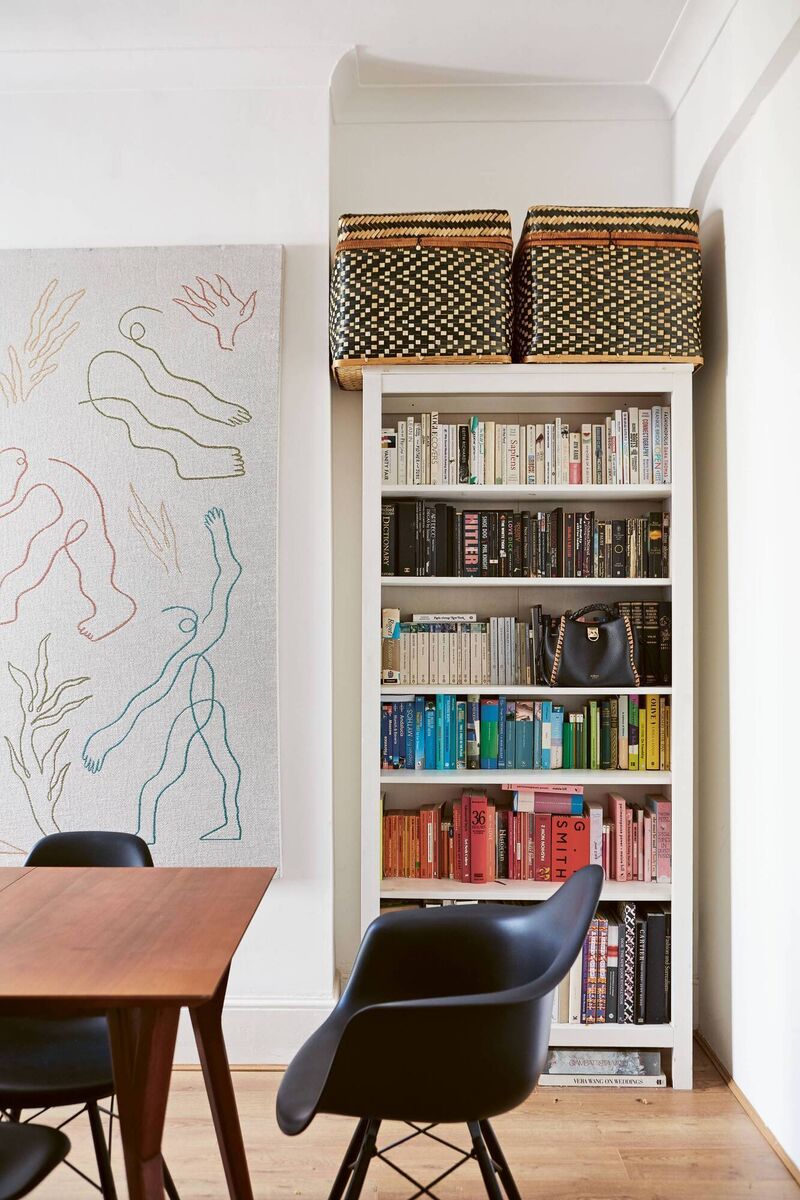
It will come as no surprise to fans that the ideas in the book are both fun and fashionable. “But I would suggest if people are making big purchases, that they try to opt for design classics. I’m always looking for something my nan or my mum might have had. When you mix in something new or contemporary with it it has that kind of wabi-sabi feel, that juxtaposition.”

She is a fan of the high/low method of mixing expensive and affordable pieces: “The only problem with that is that you do have to buy some high — if you only buy only from Ikea your house will look like an Ikea catalogue so if you can’t afford the high then it has to be high street, bric-a-brac and charity shops. 

"I customise a lot of pieces from the high street — you can paint a metal lampshade with metal paint to get an exact colour match, paint a wooden lamp base or customise a lampshade with ribbon — it’s about getting the look you want in a way you can afford.” Running themes throughout the book include tactility, colour and pattern. “I always start with colour and art and then think about layering and print. 

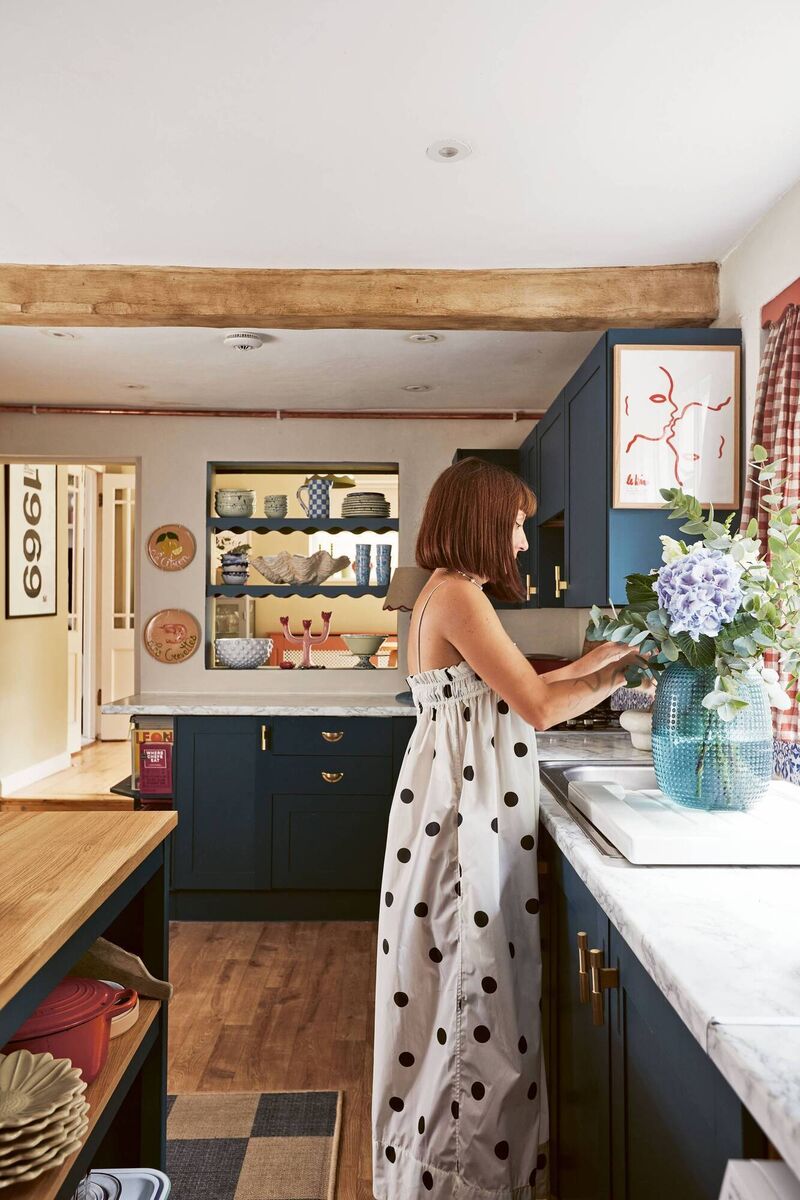
"The cherry on the top is texture — marble, wood, brushed brass, rattan or woven seagrass add a 3D dimension which can really elevate a space.”

Ormerod admits that moving from one rental to another can be wildly frustrating — furniture and accessories often being the wrong size or shape for the new accommodation and there’s a section called ‘Moving Blues’. “I lived in one rental where a wardrobe ended up as pan storage in the kitchen and I have added many ticking borders to the bottom of curtains.
“A lot of it is about accepting that you are a renter and are not going to spend a lot of money on inbuilt storage or bespoke window dressings — there has to be a level of acceptance there.”

To the naysayers that say she’s mad to invest so much time and money in a rental she says it’s worth it to have a nice home no matter how temporary. “I understand there are people who don’t care about their surroundings — I’ve got friends who are happy to have their TV on a shopping crate — but there are lots of people like me who are very impacted by the space they are in. For many people being in a beautiful environment is an incredibly uplifting and empowering thing — especially if you’ve made it yourself.”
Your Not Forever Home: Affordable, Elevated, Temporary Decor for Renters is published by Quadrille

Instagram /katherine_ormerod

>>>

  • Your Not Forever Home: Affordable, Elevated, Temporary Decor for Renters by Katherine Ormerod is published by Quadrille
  • Instagram.com/katherine_ormerod
x

More in this section

Revoiced

Newsletter

Had a busy week? Sign up for some of the best reads from the week gone by. Selected just for you.

Cookie Policy Privacy Policy Brand Safety FAQ Help Contact Us Terms and Conditions

© Examiner Echo Group Limited