Your guide to sustainable outdoor entertaining and barbecues
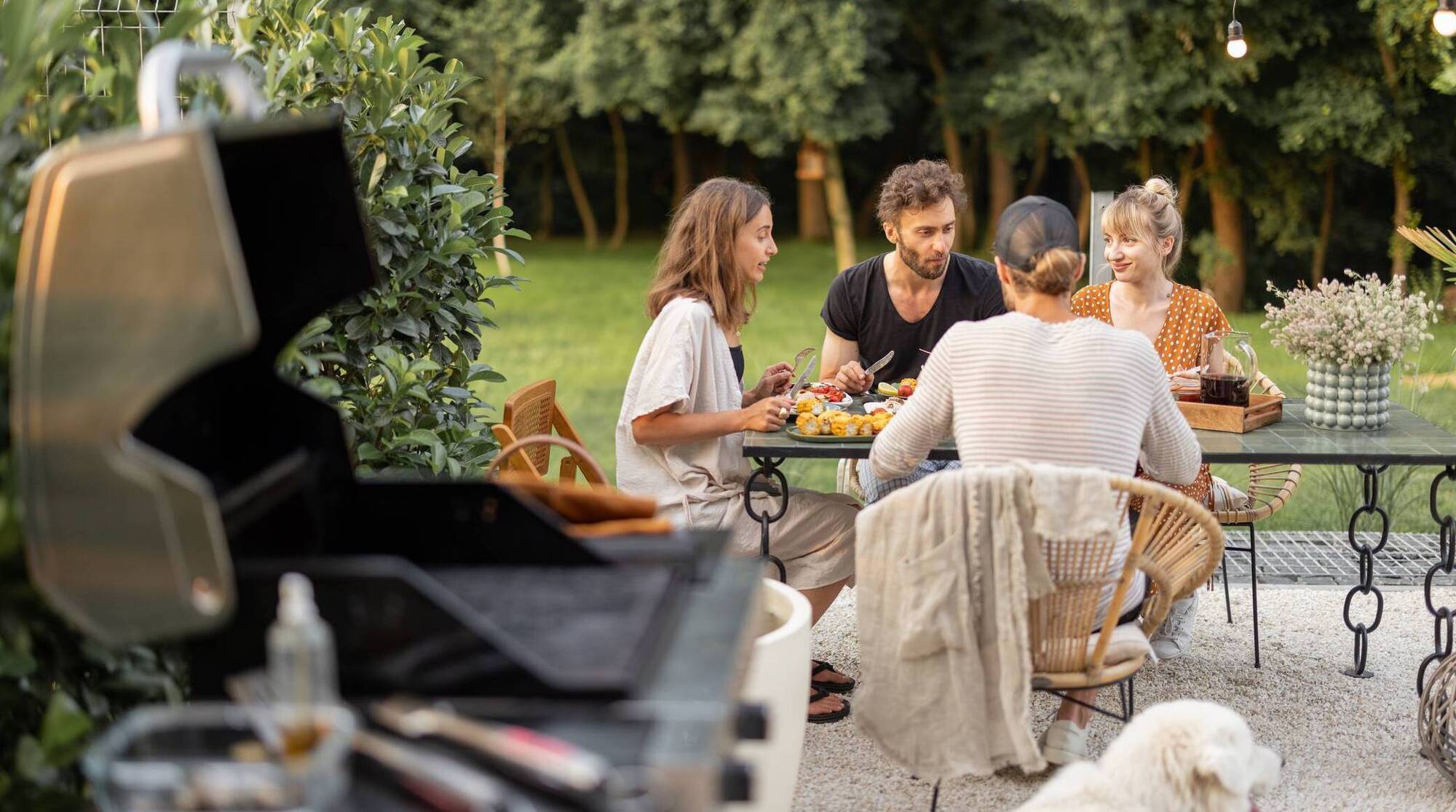
Mother Nature doesn’t have to be rudely slapped in the face every summer. Take a greener approach to outdoor entertaining. File picture
I know, I drone on like a sun-drunk bumblebee bouncing off a kitchen window every May about Earth-friendly behaviour on the patio. Still, there are so many ways to make just a slightly better decision when relaxing, eating and entertaining outdoors. Let’s face it, we’re out there to be with Mother Nature, so let’s respect the exhausted old gal — she’s under a lot of pressure.
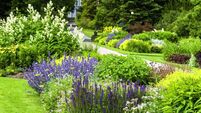
- Try a touch of biodiversity where life is really present, with micro-areas for nature to take hold. Containers hosting plants and shrubs that flower throughout spring and summer make their mark. Paved patios can be pierced with open beds formed by leaving out even a few slabs here and there, including soft joints created with soft sand rather than concrete.
CLIMATE & SUSTAINABILITY HUB
This not only gentles the appearance of stone, concrete and porcelain but also creates a soak-away over an artificial run-off for the rain. Hanley’s of Cork offers this advice: “Plant berry-bearing trees and shrubs like holly, hawthorn and crab apple to provide food for birds and protection against predators. Mature ivy provides late autumn food for both birds and bees, as well as winter shelter for a whole host of garden creatures. Add water to your garden.
“You don’t need a huge amount of space for this —even a mini-pond made out of a large pot will attract birds and insects to drink. In larger ponds, you may get frogs, which will help reduce the slug population.” See Hanleysofcork.com.
- Peter Dowdall, landscape designer and garden columnist, has an intense dislike of synthetic lawn. Peter says: “We really need to recalibrate what we consider to be beautiful in our gardens. Native wildflowers are beautiful, living, nurturing, growing things are beautiful, pollinators like butterflies and bees are beautiful.”
Limit your use of fake flooring in polypropylene, and nylon to roof gardens and balconies, and choose 80% recycled mono-material PE over cheap C8-polymer; prices start from €32.50 sq m, Artificialgrasscork.ie.
Elsewhere, before introducing just a wilderness of curated rye grass, consider native plant species in whatever small way you can. For inspiration, look to Mary Reynolds, founder of We Are The Ark (Wearetheark.org). Mary, a gold medal winner at Chelsea Flower Show, celebrates being “untidy and wild”. Find out more about soft going alternatives to grass, including mosses, sedum and clover, beloved by pollinators, a nitrogen fixer, textural and truly lovely.
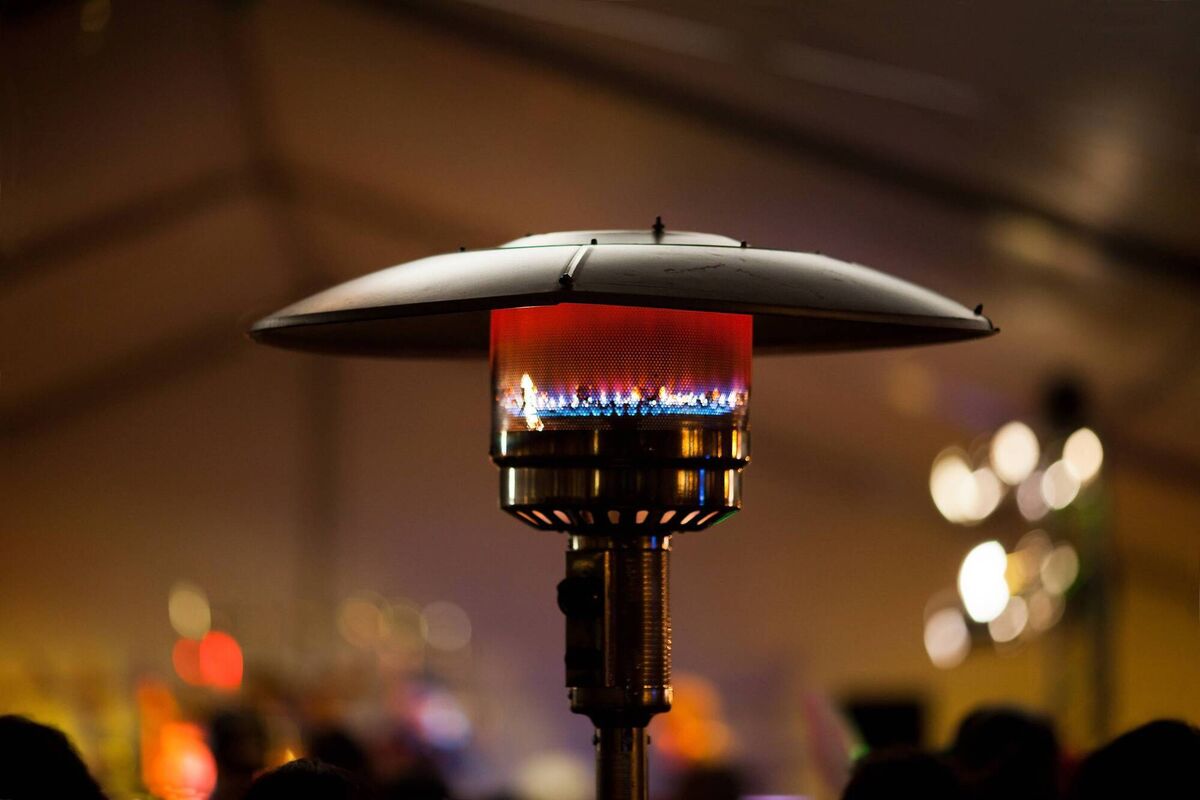
- It’s Ireland, and it’s flipping chilly out there after 6pm on a typical summer’s evening. With the dangers of particulate matter from burning wood up for discussion, electricity prices rising, and gas hit by world events, what’s a frozen reveller to do?
Mitigate the damage by using fossil-fuel heating only for as long as you really need it, and hand out warm wool Irish blankies before retreating indoors. You could run your kitchen gas hob for six months for the same energy used by a large umbrella-style patio heater for one night on the slabs. Halogen-quartz heating technology, according to DEFRA, uses around 15% of that carbon-thumping energy.
Emissions-free at point of use, it delivers radiant heat to the body and the rays from the IR can be bounced off a parabolic reflector back to the patio/BBQ area. When using wood, ensure the timber has a legal moisture content under 20% (kiln-dried), and use an enclosed stove or sheltered chiminea where possible. Include wind-breaks to contain the heat you create, preventing it from being whipped away. When using a gas BBQ, ensure you angle the hood to prevent wasteful flames and don’t use it as a heater. Roasting a joint? Get it started in the conventional oven, and brown it off outdoors. Spoiler alert, the flavour of charcoal is largely a product of the oils, seasoning and meat dripping. Leave off the firelighters and chemical starters.
- Yes, it’s a barbecue, and you don’t want to (A) Have to deal with dirty dishes and (B) To hand out your best dishes for Brian and Dympna next door to shatter on the Kilkenny limestone. The most sustainable compostable material inplates, cups and napkins is unbleached paper. It’s chlorine-free and made up of pulp fibre, nothing else. FSC-certified paper plates and cups use a plant-based lining, so they won’t fold and collapse with a sticky plate of ribs.
Typical paper plates have a non-stick, water-repelling coat of a waxy substance to prevent them from absorbing grease and liquids from the foodstuffs, and these should not be thrown into the recycling as they are comprised of two materials. They are destined for the black bin only.
Melamine and recycled plastics can be washed (please don’t encourage shedding of microplastics by putting them in the dishwasher). Palm-leaf plates (made from shed leaves from the forest floor) and bamboo bagasse sugarcane are other alternatives for a budget.
Ultimately, I would suggest proper dishes for the BBQ area, where possible. Going to paper — vouch for recycled paper towels with good eco-credentials. Lightly used, these can be composted or go to the brown (food) bin.
- If you’re heaving out a filthy barbecue to wow the neighbours with a new model, I would have to ask — are you really that idle? You loved that old gas-guzzler two years ago. You were excited! Give it a clean, check the hoses and regulator and at the very least donate it to someone who could benefit from it, saving them a spend.
There’s nothing more eco-friendly than what you already have in the circular economy, so keep older dishes when you replace them for alfresco duty and look out for pretty orphaned (non-lead) flatware and coloured glassware at boot sales and charity shops. Similarly, cloth napkins (how chic) are perfect for outdoors for spills and blots.
Outdoor dining is a perfect moment for creative thinking, so don’t be lazy-minded and just buy it all in. Cram some solar fairy lights into a jam jar for a safe tea-light.
Take cuttings from the garden to deliver a centrepiece. Use vintage style oil-cloth (lasts for decades when well cared for) and replace seating and tables as needed, bringing it all together as an accrued harlequin set with extra seating from inside.
There’s nothing wrong with restocking with pretty things, just be a little more discerning about their longevity. Will they really delight you for one season or more?
CONNECT WITH US TODAY



Be the first to know the latest news and updates