Tales of the unexpected: Can we storm-proof our gardens?
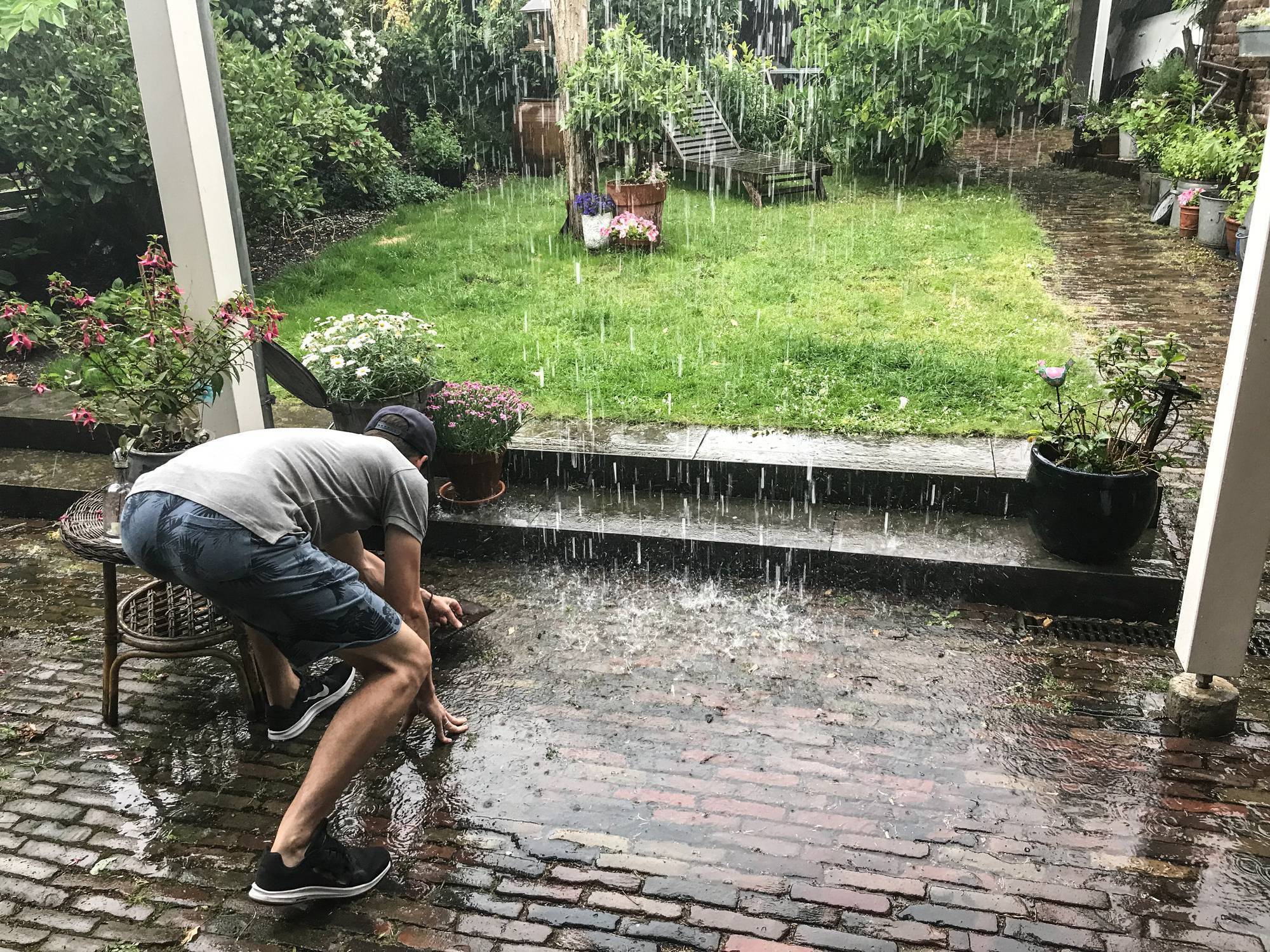
AUGUST 2020 has been one to forget — in the garden at least. Two unseasonable and heavy storms have visited and we have had substantially more rain and high winds than we would be used to at this time of the year.
The result has been, of course, fallen trees and branches but on a smaller scale, shrubs and perennials which should be opening up into bloom are instead rotting and collapsing onto the ground.

The flowers on roses, in particular, are suffering — the sepals, those green modified leaves which cover the flower bud, stubbornly refuse to open in this wet weather and the flower within rots away to a sodden mass of rain-soaked petals.
It can be disheartening to tend the garden all year and do all the right things in terms of pruning, pest and disease prevention, feeding, and providing lots of TLC to the plants to see it all come to nowt during a wet month such as this, but that is the garden and nature for you, it is in the laps of the weather gods.
Earlier this year I wrote about how to use drought-resistant plants in our gardens to cope with the hosepipe ban which was in place at the time and more of which seems inevitable in our future. This month we need to look at ways to counteract the effects of flooding on our gardens.
It is always best to use plants which thrive in the local conditions but what can we do when the conditions vary so much. In truth, most plants will cope with extremes and the unexpected, provided such conditions are temporary. So, no need to start filling the garden with bog plants and marginals just yet as the real challenge with the Irish climate is not so much that our weather is very bad it is just so very unpredictable.
Having a well-drained soil is beneficial to the majority of plants. There are some, of course, that will thrive in a moisture-retentive soil but they are best grown in soils which are naturally thus. For the majority of plants, a good amount of horticultural grit incorporated into the soil will help to aid drainage, drawing water away from the root system and keeping the essential air pores open, thus preventing anaerobic conditions beneath the soil surface.
Careful pruning too will help plants to deal with high winds and also to make them less susceptible to fungal infections such as grey mould, rust, black spot, and other diseases which thrive in damp conditions.
Such pruning should remove crossing branches as these can rub against each other, leaving wounds, through which diseases can enter a plant, and also creating congestion within the shrub, which allows poor air circulation, ideal for the development of such fungal infections, and also much more resistant to heavy winds making them liable to falling during storms.
Early flowering perennials, such as lupins and delphiniums which were flattened during the high winds can be cut back now for the sake of tidiness and plant hygiene but they will not produce any more flowers this year. However, the later blooming specimens such as phlox, sedum, helenium and salvias can also be cut back, but somewhat similar to a late Chelsea chop, these may well produce more flowers during September and even October, if the weather improves which it often does in Ireland. In fact, I think the term “Indian summer” should be changed to “Irish summer”, so common is it that we have our best weather during these months.
Alstroemerias, in particular, will continue to give colour over the next few months and whilst they may look a bit bedraggled and the worse for wear right now, they are very forgiving and will come back quite quickly after a tidy up now. Pull all the stems that are lying on the ground and looking storm damaged, out of the ground now and in a few short weeks, weather permitting you will have a fabulous display once more. The aptly named, Alstroemeria Indian Summer is a real stunner, with chocolate brown foliage colour contrasting beautifully with vivid orange and yellow flowers.
It can be grown in a pot or in the open ground, just give it a position where it sees a good amount of sunlight. Plant it near the really dramatic Sedum Jose Aubergine which grows to a similar height, as the purple foliage and flowers which will open up to a cerise pink contrast so vividly with the Alstromeria creating a really striking combination which will not only provide us with colour but will also sustain bees and other pollinators well into the winter months.