'We must act now': Irish charity appeals for help as Ebola cases in Congo rise
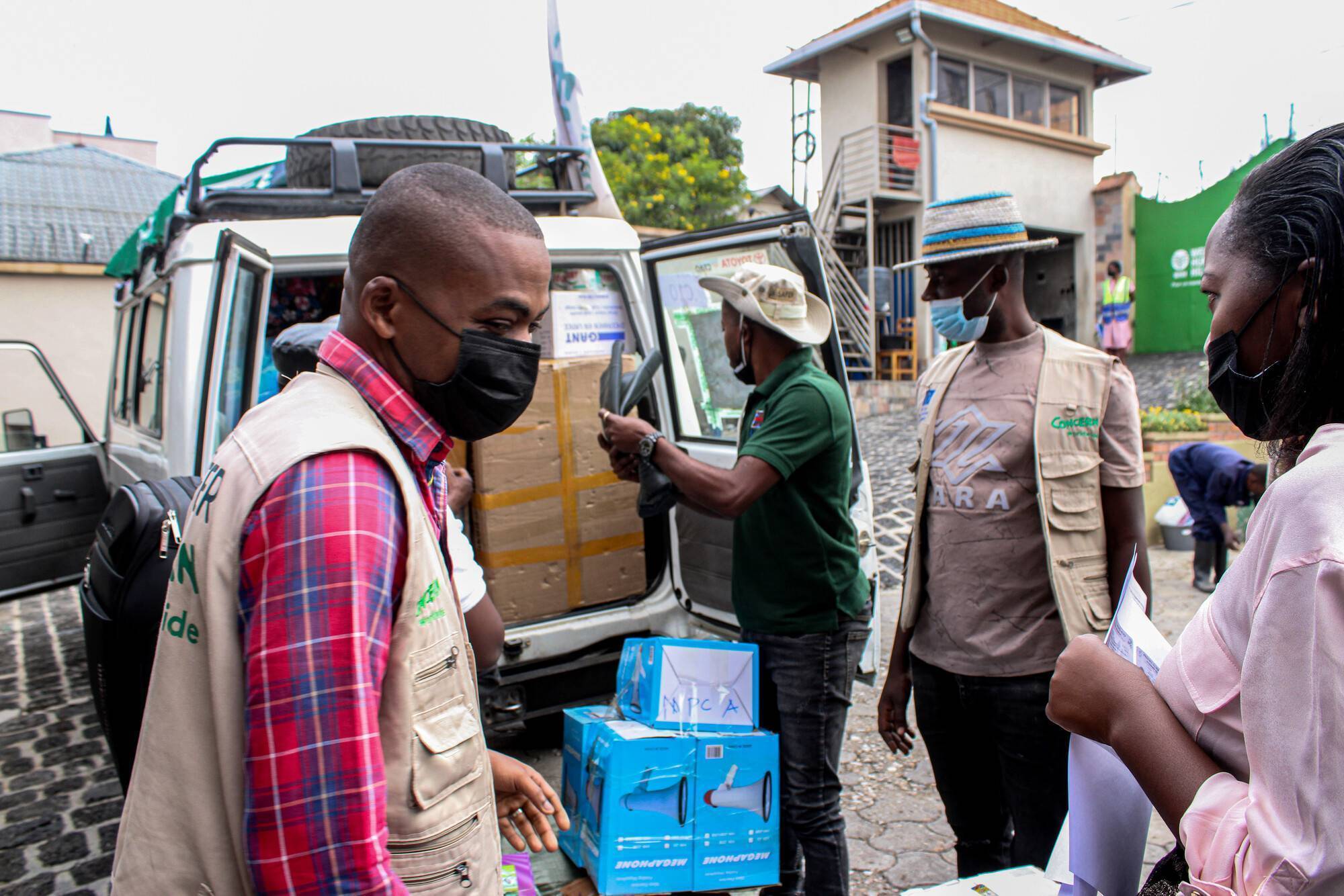
Concern staff load vehicles with the equipment and supplies. Picture: Samuel Isenge/ Concern
Aid workers, including those with Irish charities, have called for more support in the fight against the Ebola virus, with 60 people now confirmed to have died in the Democratic Republic of Congo (DRC).
The charity Concern warned it expected to see more cases in the coming weeks, as the World Health Organization (WHO) briefed reporters on Wednesday about the number of deaths due to the outbreak.

It previously said 240 further deaths were under investigation. Some 344 cases were confirmed there, while in Uganda, one person has died, and 15 cases were confirmed, it said.
Concern Worldwide works in the DRC and has 100 staff in North Kivu province, where the outbreak has now spread.
“We are not a medical organisation, but our focus is on working with communities to stop the spread of this highly contagious disease,” a spokesman in Dublin said.
Read More
Concern country director David Jones warned: “We will face multiple challenges in the weeks and months ahead. We are starting to see the number of confirmed and suspected cases increase. We are expecting to see more cases.”

"Having sufficient supplies and access to areas will become increasingly difficult as the situation deteriorates.”
This comes against a backdrop of cuts to development aid globally.
Mr Jones urged: “It’s only going to become more difficult to respond. We must act now, and we must act strongly.”
WHO director general Tedros Adhanom Ghebreyesus said the global threat remained low this week but "very high" at the national level.
“So far, six people have recovered in DRC and two in Uganda, showing people can survive Ebola if they have access to care and go to health facilities as soon as they show symptoms."
There are "several challenges", including a lack of laboratories and testing facilities, as well as a low level of contact tracing.
“Community mistrust is a serious barrier. Some community leaders told me that they believe Ebola is not real,” he said. "We are fighting this outbreak without vaccines or therapeutics.”