Irish Examiner view: We need real debate on neutrality, not hot takes
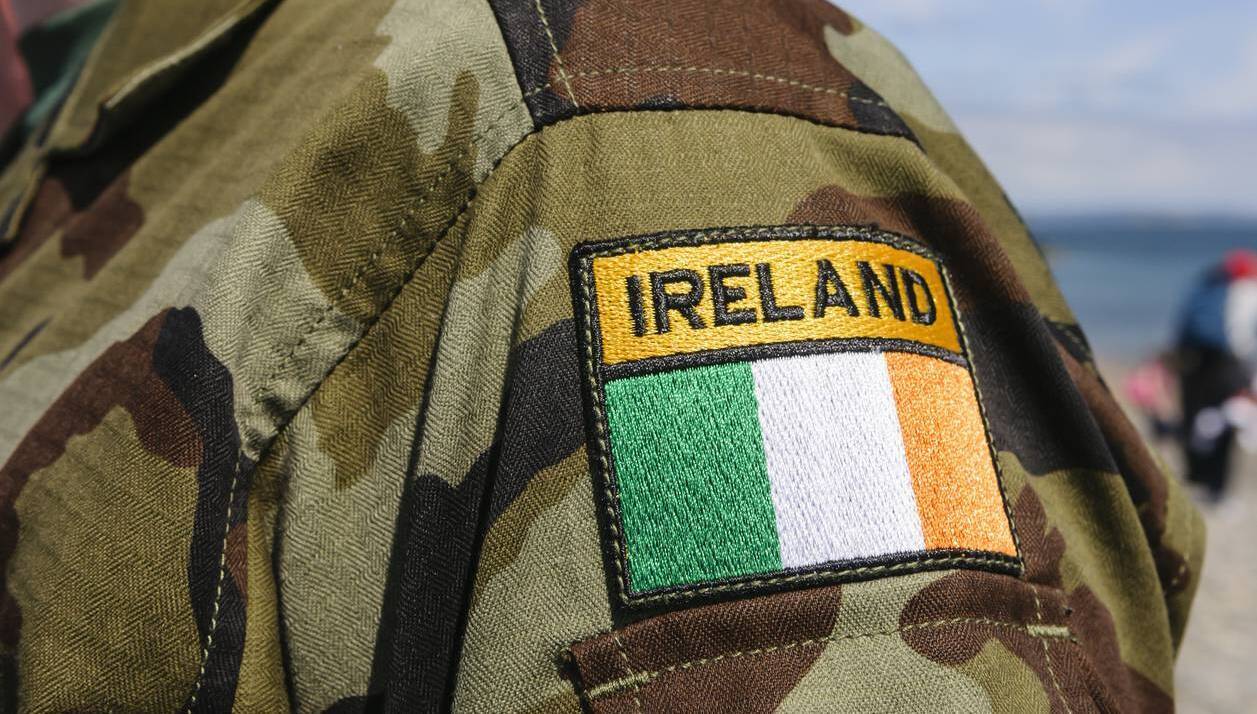
Ireland’s longstanding commitment to military neutrality remains deeply valued by many citizens. Picture: iStock
Few issues in public life touch so directly upon questions of identity, history, sovereignty, and Ireland’s place in the world than Irish neutrality.
It is perhaps for that reason that the ongoing consultative forum on international security policy deserves recognition not for the conclusions it may ultimately reach, but for the process it represents.
At a time when public debate is increasingly compressed into slogans, social media posts, and competing certainties, there is value in creating space for evidence, expertise, and genuine deliberation.
The forum has brought together academics, military practitioners, diplomats, policy experts, and members of the public to discuss issues that are often reduced to caricature.
Whether one supports retaining Ireland’s traditional approach to neutrality, reforming it, or abandoning aspects of it altogether, the decisions involved are too significant to be made through political shorthand.
They require an honest assessment of the world as it exists rather than the world as we might wish it to be.
The international environment has changed dramatically in recent years.
Russia’s invasion of Ukraine, instability in the Middle East, cyber threats, disinformation campaigns, and growing geopolitical competition have altered the security landscape facing all European states, including Ireland.
At the same time, Ireland’s longstanding commitment to military neutrality remains deeply valued by many citizens and is intertwined with the State’s history of peacekeeping and independent foreign policy. Reconciling these realities requires more than rhetoric.
It requires serious engagement with difficult questions.
What obligations does Ireland have to its European partners?
How should the State protect critical infrastructure?
What capabilities should the Defence Forces possess?
What does neutrality mean in the 21st century?
These are not questions that lend themselves to simplistic answers.
One of the forum’s greatest strengths is that it acknowledges complexity.
Participants are encouraged to make their case, present evidence, challenge assumptions, and listen to opposing viewpoints.
In doing so, it offers a model for how contentious public policy debates might be conducted more broadly.
Deliberative forums are not perfect. They do not remove political disagreement, nor should they.
Democratic societies depend upon robust debate. But they can help ensure that disagreements are informed rather than performative.
They can create a shared understanding of facts even where consensus on solutions remains elusive.
Ireland faces significant decisions about its future security policy.
Those decisions will ultimately be made by elected representatives accountable to the public.
However, the quality of those decisions depends heavily on the quality of the debate that precedes them.
For that reason alone, the forum has value.
In an era increasingly defined by outrage and instant opinion, it reminds us that democratic decision-making works best when citizens are given the time, information, and opportunity to think before they choose.
Elite athletes spend much of their lives chasing certainty.
They measure progress in fractions of seconds, monitor every aspect of performance, and commit themselves to routines designed to maximise success.
Yet, even the most disciplined and gifted among them remain vulnerable to life’s cruelest realities.
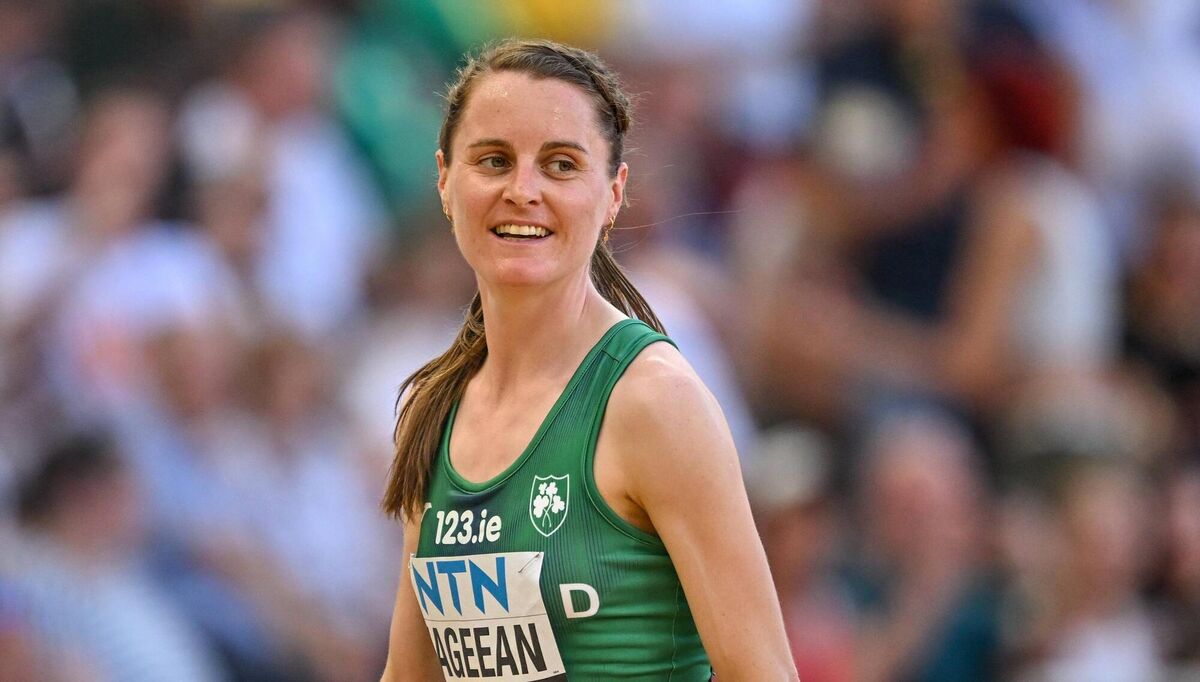
The news that Ciara Mageean had been diagnosed with cancer came as a profound shock last year.
One of Ireland’s finest athletes, Mageean has spent years embodying resilience, dedication, and excellence.
Her achievements on the track have inspired countless young athletes and brought pride to Irish sport.
What has resonated most in recent days as she has publicly discussed her diagnosis, however, is not her success as a runner but her response as a person.
Mageean’s decision to speak openly was marked by remarkable honesty, humility, and grace.
There was no self-pity, no attempt to dramatise, only a clear-eyed acknowledgement of the challenge before her and a determination to face it.
That willingness to share such devastating news publicly has struck a chord far beyond athletics.
In doing so, she has provided comfort to others facing illness and reminded the public that even those we associate with strength and achievement are not immune from vulnerability.
There is also something sobering in the contrast. Athletes are often viewed as symbols of health, vitality, and physical capability.
Yet, illness recognises no medals or records.
It serves as a reminder of the fragility that exists beneath even the most extraordinary accomplishments. For now, sporting achievements seem secondary.
What matters is the person behind them.
The outpouring of support for Mageean reflects not only admiration for her career but affection for the character she has consistently displayed throughout it.
In facing this challenge with such dignity, she has demonstrated qualities every bit as impressive as those that made her a champion athlete.
The thoughts of the nation will be with her in the difficult time ahead.
The criticism directed at the Road Safety Authority (RSA) during recent Oireachtas committee hearings should serve as a catalyst for something more important than organisational restructuring.
Whether the RSA is reformed, divided, or rebranded, the real issue is effectiveness.
Ireland’s road safety record has deteriorated in recent years, with fatalities moving in the wrong direction despite decades of progress.
Public confidence has also been damaged by controversies surrounding driving test backlogs, governance concerns, and questions about priorities.
Yet changing a nameplate on the door will achieve little if the underlying culture and approach remain unchanged.
Road safety is ultimately measured not by reports produced or committees convened but by lives saved.
The findings emerging from collision data and recent scrutiny point to the need for a more ambitious, evidence-led strategy that focuses relentlessly on outcomes.
The public deserves a road safety system that is trusted, accountable, and effective. Anything less comes at too high a cost.
CONNECT WITH US TODAY



Be the first to know the latest news and updates