World Children's Day would be a fitting new national holiday
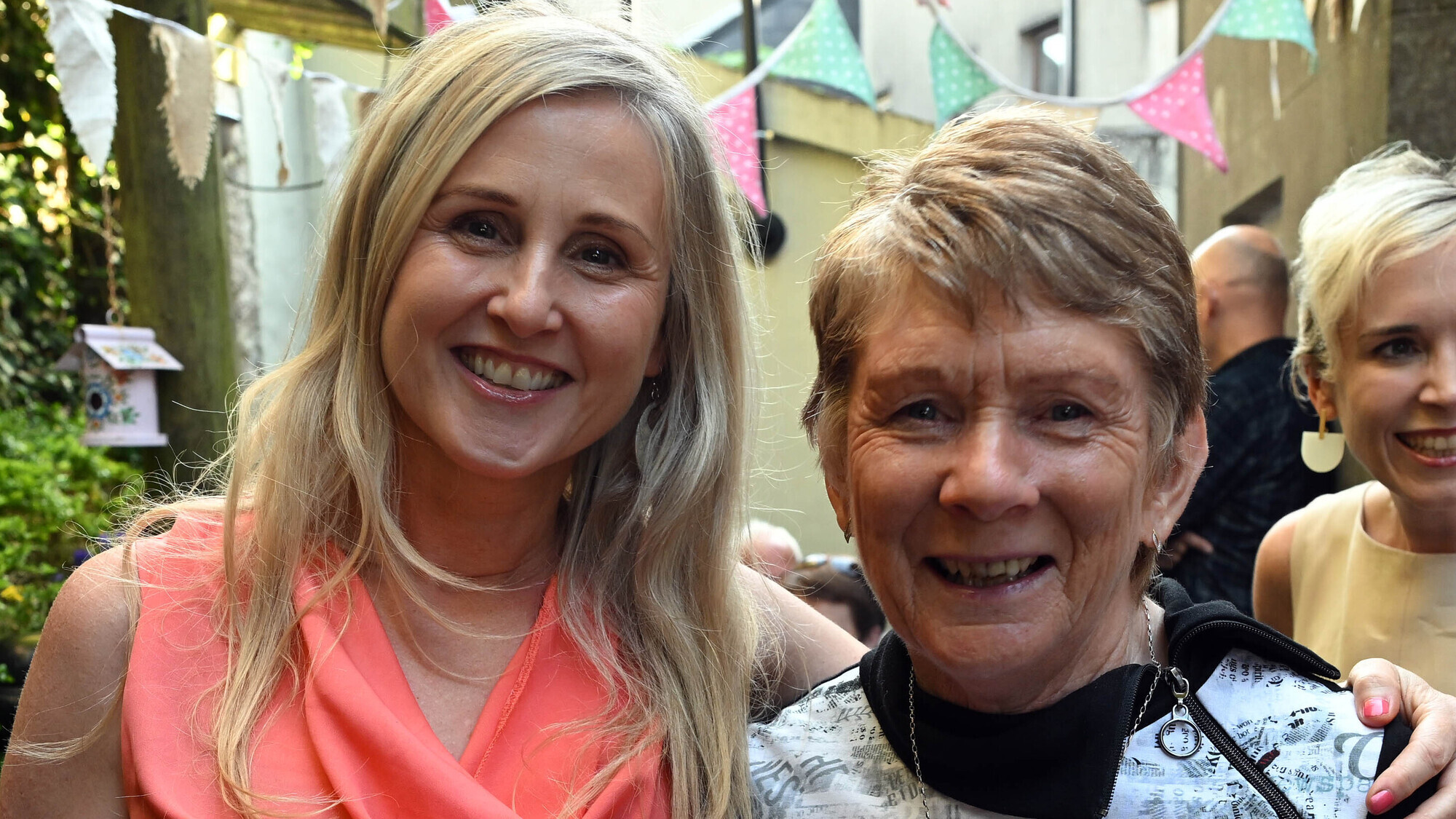
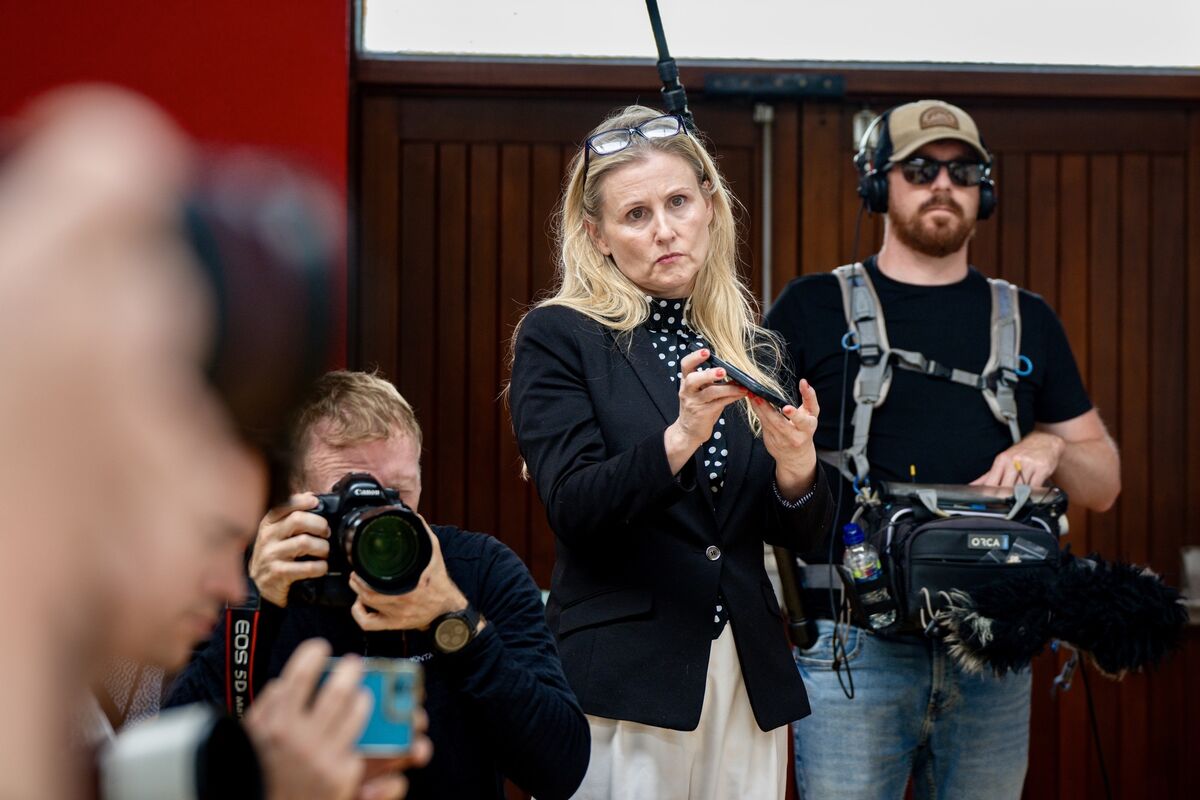
Catherine Corless (right) with Irish Examiner journalist Alison O'Reilly at The lost children of Tuam world premiere in Galway Film Fleadh. As Catherine Corless uncovered a decade ago, Irish children were failed in this country. Picture: Ray Ryan
“No one cared…and that’s my driving force all the time: No one cared.” This is how the historian Catherine Corless described to the her motivation to remember and honour the children of the Tuam mother and baby home.
We like to think that we are now a country that does care about children, that we are different to the Ireland of the past that did terrible things to our most vulnerable citizens.
This Friday, November 20, marks World Children’s Day. This is an opportunity for us, as a nation, to celebrate our youngsters and to atone for the past. Ireland should join the many other countries around the world which have a paid public holiday to celebrate children.
There is plenty of room in our national calendar to add another bank holiday or two. After all, our 10 current paid national holidays pale in comparison to Austria’s 15. In fact, the EU average is 13.
People Before Profit has consistently argued for the addition of two new bank holidays, on the last Mondays of both September and November. The Greens have called for one in July.
Read More
But perhaps a more important question concerns who or what a new national holiday should honour and celebrate. The “November Bank Holiday” would be an opportunity wasted.
Our most recent bank holiday addition, St. Brigid’s Day, follows the religious trajectory of others such as St. Stephen’s Day and Christmas Day. While it was argued at the time that Brigid’s Day celebrates both the Christian saint and the mythical pagan goddess, the government has made clear that it is officially religious in nature by designating it ‘St. Brigid’s Day’.
There is a strong argument for making our next national holiday secular in nature. Rather than looking to the past, a new bank holiday can look to the future, and Ireland’s future is its children.
While Romania was the most recent country to celebrate its children with a dedicated national holiday (in 2017), it was in Turkey where the idea originated back in the 1920s.
In 1959, the United Nations officially designated November 20 as World Children’s Day to mark the signing of the Declaration of the Rights of the Child. In Brazil, Dia das Crianças is a major event with offices and schools across the country shuttered for the day as kids wait anxiously for their gifts, much like Christmas.
In South Korea, families gather for picnics, while in Turkey the annual “Children’s Parliament” takes place in which kids sit in the national chamber in Ankara in a symbolic expression of juvenile representation.
Beautiful, hand-painted kites line the streets of Japan on Children's Day, designed in the shape of a carp. These colourful koinobori appear as if they are swimming upstream as they flutter in the breeze, a metaphor for the perseverance and stamina of youth.
While countries mark Children’s Day on different dates around the world, international consensus is increasingly centred on November 20.
Marking World Children’s Day properly would be an opportunity for us to put a collective focus on the needs of our children and to celebrate their contribution to our national life.
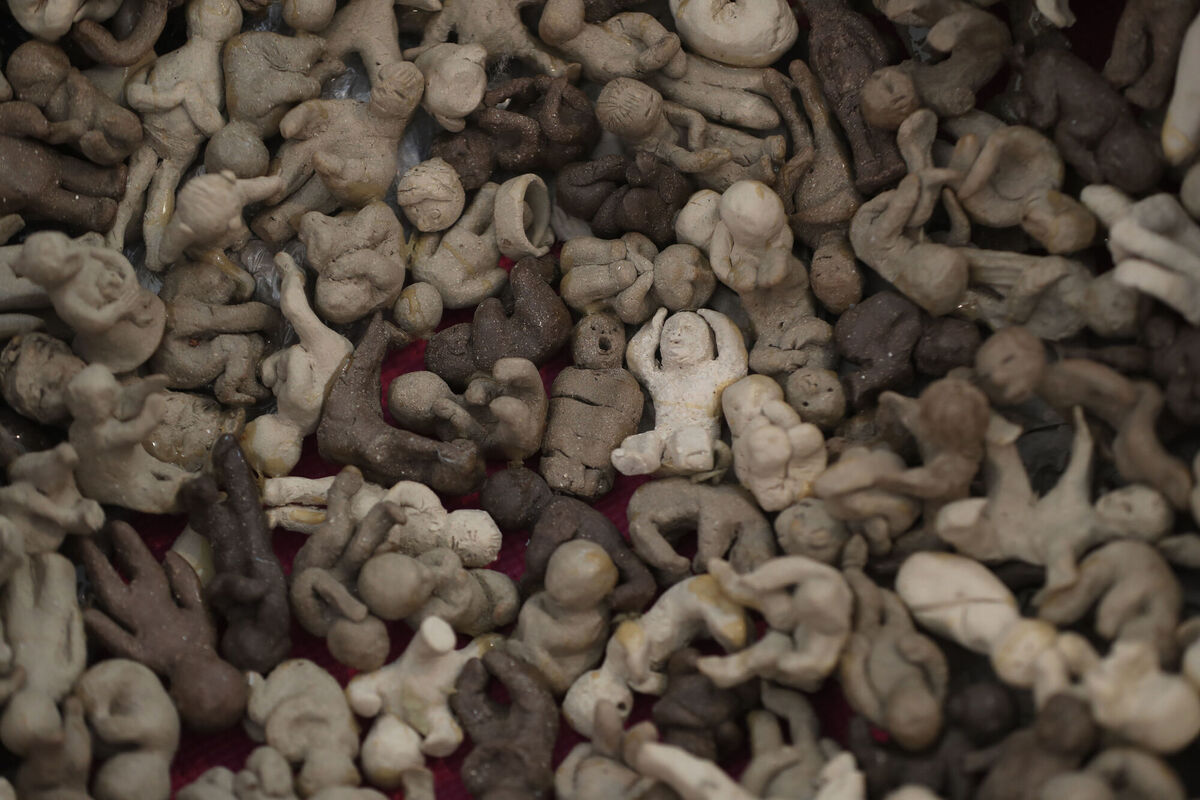
This is a group of people whose innate inequality with adults and dependence on the rest of us has too often been abused.
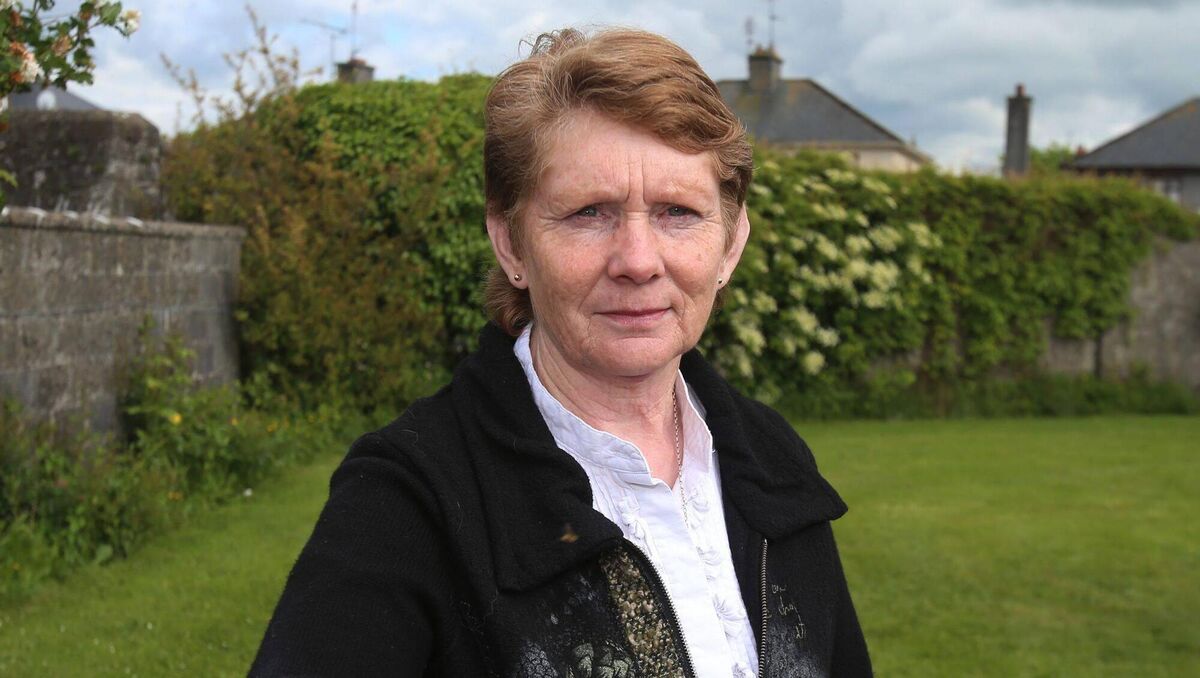
As Catherine Corless uncovered a decade ago, Irish children were failed in this country. Hundreds of babies were denied the dignity of a marked burial. For decades, children were abused by priests who were in positions of trust.
Have we atoned for these sins? How can we? Making World Children’s Day a public holiday would be an opportunity for Ireland to have a moral reckoning with its past, much like Martin Luther King Day has offered a similar opportunity for national reflection in the States.
Ireland ratified the Declaration on the Rights of the Child in 1992 but we still haven’t incorporated it into our domestic legislation. This means there is a gap between what the declaration aims to ensure and what the Irish government is obliged to fulfill.
This month, the number of children living in homelessness reached a new record. If this legislation was passed, would homeless children continue to live in unsuitable emergency accommodation or would the State be compelled to provide better alternatives?
Making a big fuss of World Children’s Day could only help this cause.
The plot of the former mother and baby home in Tuam is an active humanitarian forensic site. The shame of our past is literally bedded into our landscape. We are still picking small bones out of the earth. The darkness remains.
Making World Children’s Day a public holiday could never redeem our national guilt, but it could help ensure that their memory is never forgotten.

It could also be an opportunity for joy…a day when we treasure our most vulnerable citizens, celebrate them, cherish them and renew our commitment to never again deprive this group of people of their rights.
To never be accused of not caring.
CONNECT WITH US TODAY



Be the first to know the latest news and updates