Paul Hosford: Simon Harris-Patrick O'Donovan call leaves many questions unanswered
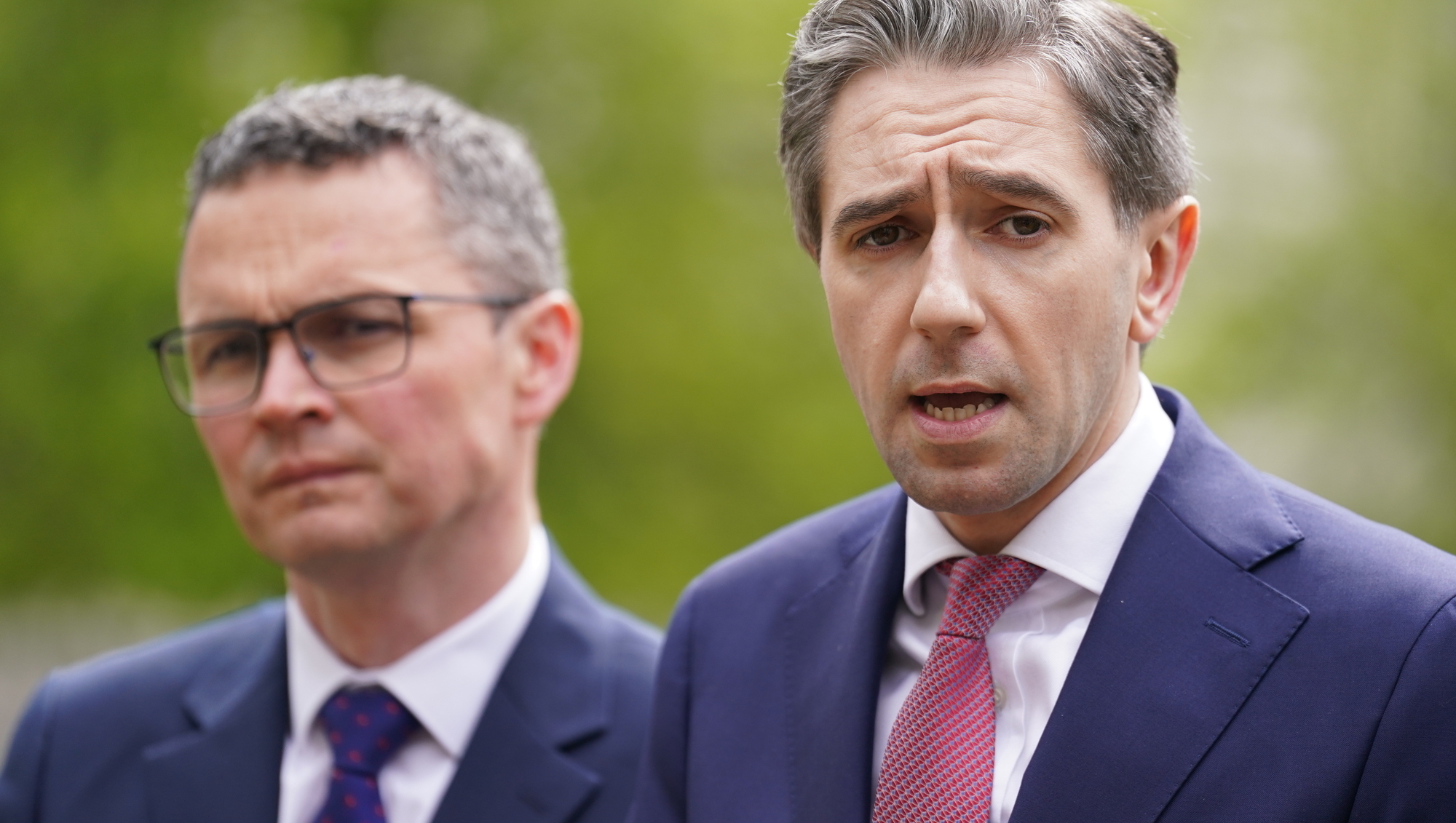
Tánaiste Simon Harris denied that he had demanded Patrick O'Donovan's resignation as a minister during their phone call. File picture: Brian Lawless/PA
Simon Harris on not one but two morning radio shows usually means a big-ticket policy announcement or a government controversy. However, on Thursday it was neither.
While the Tánaiste appeared on both RTÉ and Newstalk to reject the most damaging allegations surrounding his call with culture minister Patrick O’Donovan, denying a resignation demand is not the same as explaining what the conversation was about.
Harris has confirmed what had been conspicuously unclear: The Fine Gael leader spoke to the minister by telephone on October 13, shortly before O'Donovan became unwell at an EU meeting in Limerick and was taken to hospital.
Harris insists the conversation was routine, not heated, and did not involve any demand that O’Donovan resign.
The timing of the call in no way establishes any connection between its contents and O’Donovan’s subsequent illness. Such a conclusion would be unwarranted and unfair.
The question is more straightforward: What precisely does Harris’s account explain and what does it leave unexplained?
The context matters.
Read More
Earlier on the day in question, O’Donovan had publicly condemned anonymous briefings questioning whether his health would affect his future in Cabinet. He described the remarks as hurtful and a betrayal.
The minister was also facing scrutiny over the Government’s decision to allocate RTÉ €20m less in 2027 than had been anticipated under previous funding arrangements. These were not circumstances in which a conversation between a party leader and a Cabinet colleague could simply be dismissed as politically inconsequential.
Harris has denied asking O’Donovan to consider his position. That is a specific and important denial. It addresses one possible version of the conversation, not every question raised by the surrounding events.
A call can be politically significant without containing an explicit demand for resignation. It might concern confidence, performance, the consequences of adverse publicity, or the future direction of a minister’s portfolio.
Harris said it was a routine call but was done at a time when O'Donovan was hosting an EU meeting of telecoms ministers. Harris surely knew this and was on paternity leave himself — why pick up the phone to a minister who is mid-EU meeting for a routine call? Why not wait?
Harris also failed to outline if he spoke to other ministers during his leave period. If it was all so routine, surely he did?
At the post-Cabinet press briefing on October 13, a spokesperson for Harris said he was unaware of any contact between the two, but why the lack of clarity if it was a straightforward call?
Harris’s insistence that ministerial conversations are private is understandable. Government cannot function if every routine exchange between colleagues becomes public property. There is also a legitimate distinction between answering questions about official conduct and disclosing confidential personal discussions, particularly while a colleague is recovering from a serious medical episode.
Privacy does not automatically settle the public-interest question. Harris is not simply a colleague; he is Fine Gael leader and the second-most senior member of Government who will return as Taoiseach in 12 months.
The conversation occurred against a backdrop of anonymous briefings about a serving minister’s health and future and led to a Friday evening statement in which Harris condemned it.
Harris has closed off a key allegation — that he asked a minister for their resignation — but why the call was placed in the first place remains unanswered.
- Paul Hosford, Deputy Political Editor

CONNECT WITH US TODAY



Be the first to know the latest news and updates