My harmless kids' book was banned — it's a wider problem than people know
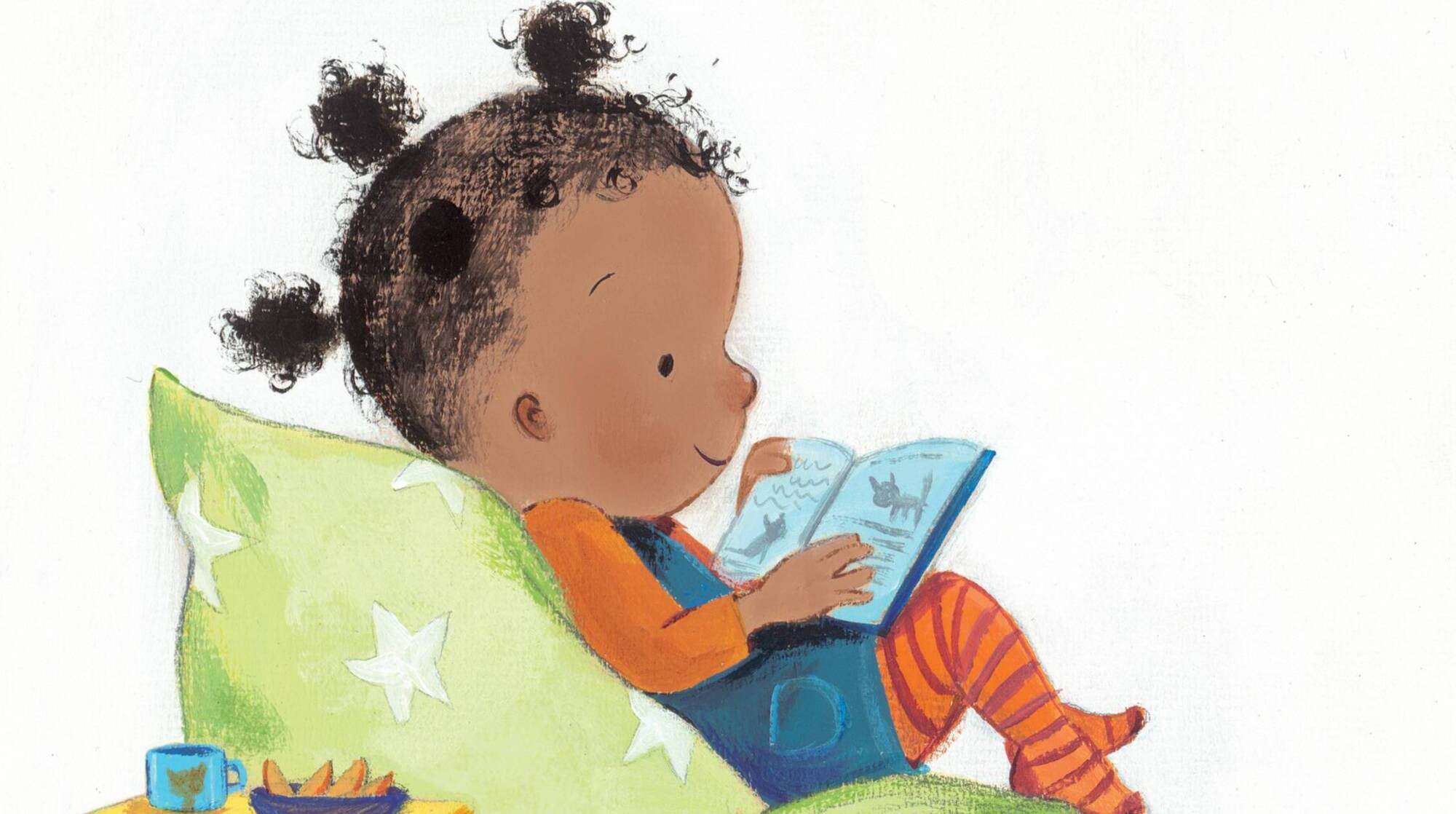
It’s hard to believe that anyone would ban a picture book about a three-year-old girl going to the library.
The US has recently marked Banned Books Week. But, while the banning of famous titles like makes the headlines, gentle, family stories like my book, , are being removed from shelves with devastating effect.
Books are not banned by the government or a censorship board. Some are banned by individual schools or libraries; some by school or library districts; and some by an entire state library system — but not bookshops.
That said, it’s still hard to believe that anyone would ban a picture book about a three-year-old girl going to the library.
Perhaps that’s because book-banners have worked hard to make headlines with, for example, books with explicit sexual material. This leaves the impression that banned books are problematic when in fact books on a huge range of topics are being censored.
Read More
So, how did that happen? There has always been a system to challenge books in the US. Anyone could fill a form, quoting examples of what they find problematic, and submit it for review at the next library/school board meeting (which they could attend).
The board could decide to remove the book. Or they might decide to take it out of the children’s section but keep it available by request... There are many actions they could take.
In the past, small numbers of parents concerned about their children’s reading material "challenged" particular books. But in 2020 the system began to be weaponised.
Instead of individual parents raising concerns, a variety of political groups began trying to erase books they didn’t approve of. These groups organised and began to flood the system with hundreds of objections — "challenges" — many more than can be reviewed at a board meeting, which also needs to discuss the hole in the roof, and all the other minutiae of school life.
By 2024, parents made up only 16% of those raising concerns about books. The remainder are groups seeking to ban any book that doesn’t fit their political view point. Somehow, books featuring marginalised children have become a particular target for the book banners regardless of how gentle the storylines.
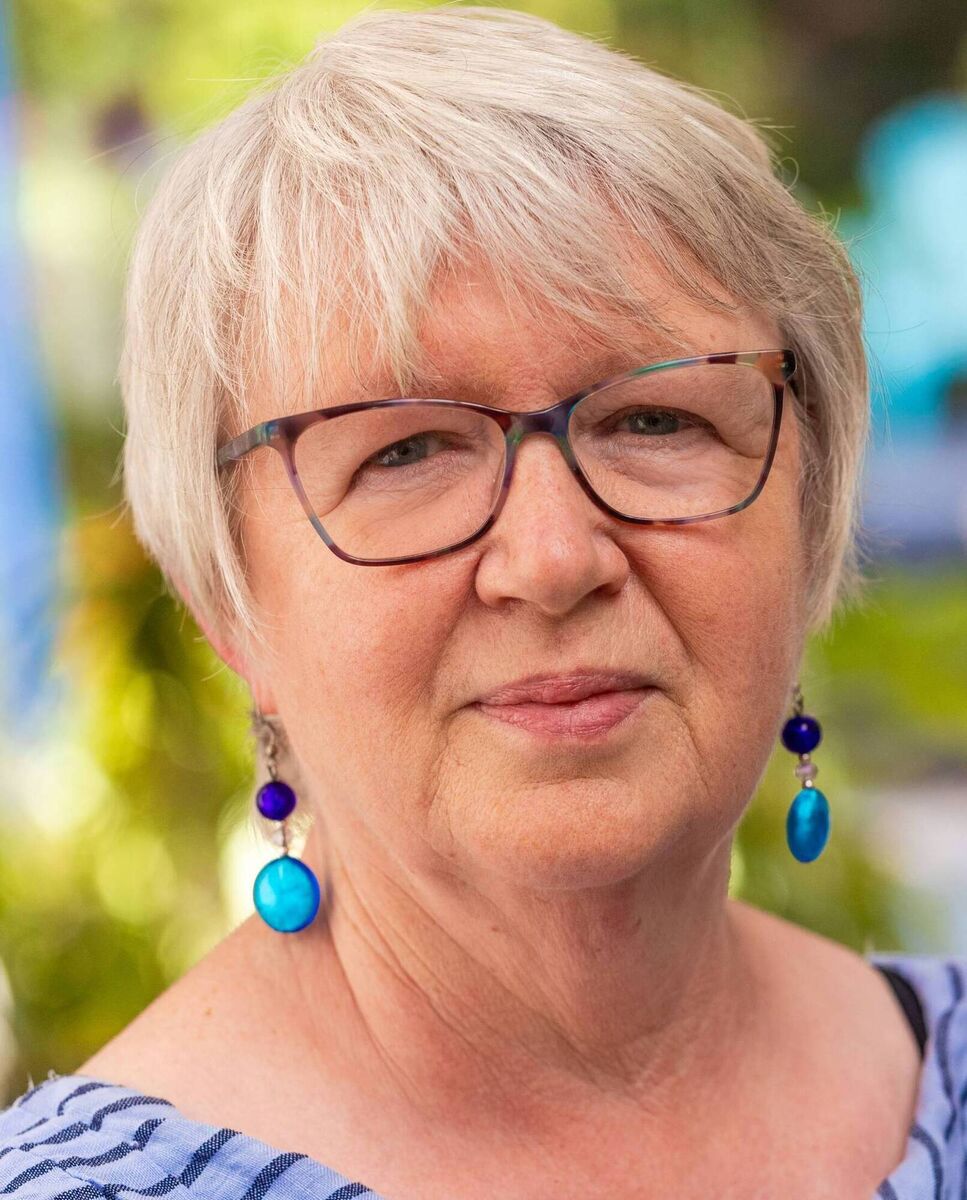
When I tell people that some of my books have been banned, many say ‘how cool!’ assuming it is a kind of badge of honour or that notoriety will lead to more sales. But it’s quite the opposite. For a tiny number of books, the publicity might increase sales, but for almost every writer the impact is horrendous (not to mention that it is soul destroying and affects your creativity).
Most badly affected are books that do best in schools and nonfiction in general, biographies and lots of children’s books — most especially those that feature marginalised people. These books are rarely chart-toppers, but sell slowly and grow fans over long periods — is 20 years old this year and has sold over half a million copies in the US.
When these books are banned, it is hard for the publishers to make up for the loss in sales. Bookshops sometimes have tables of banned books on sale. But that in no way compensates for the lost school and library sales (especially as there are thousands more books banned than are on the ‘Top 10 banned books’).
And gentle, family stories never make it to the edgy banned books table. Mostly people just don’t know (and can’t believe) that they are banned, so there’s no compensatory buying. These books are just slowly disappearing.
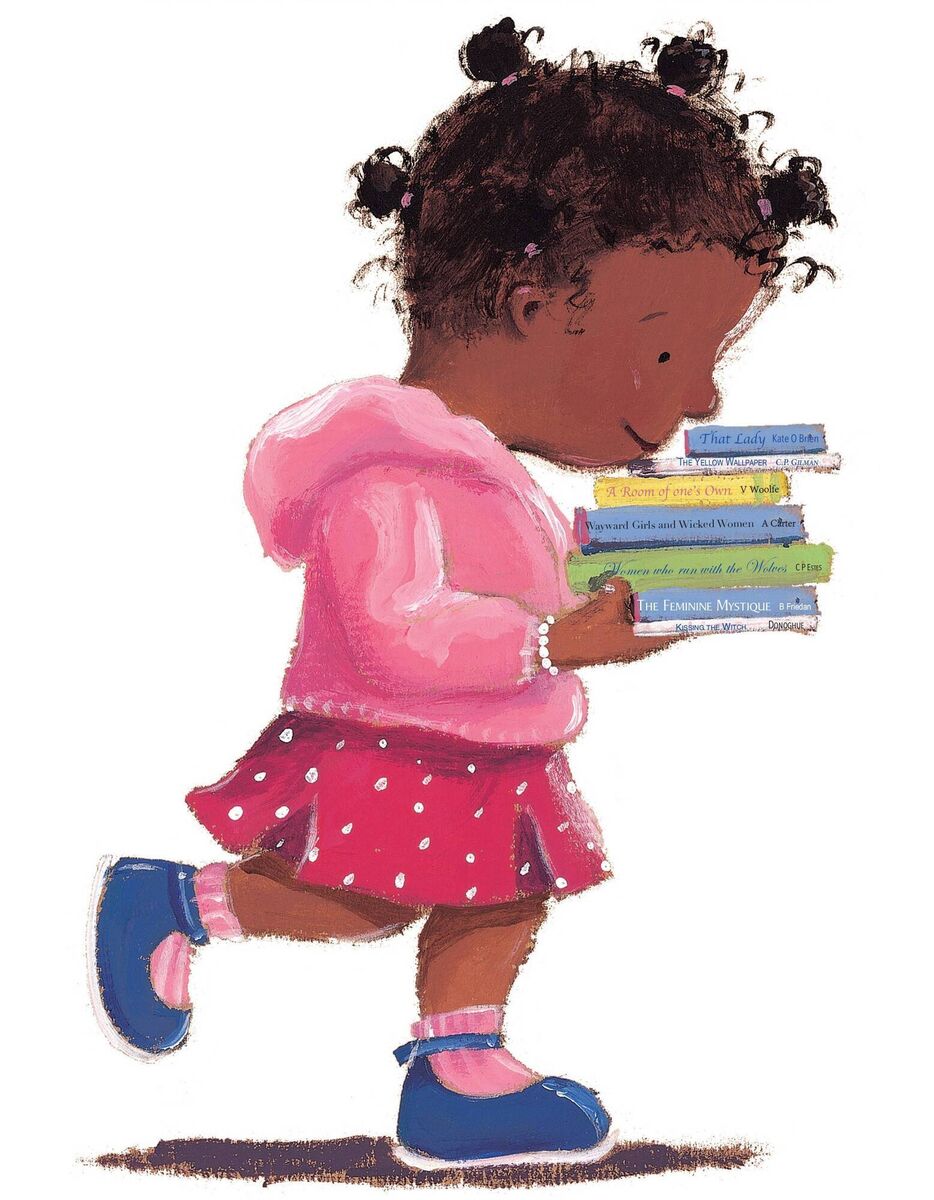
What people don’t often realise is that the impact is so much wider than the US. Picture books in particular are expensive to produce and publishers in Ireland and the UK usually defray some costs by selling US (and other) rights. If US publishers slow their buying, then it may not be feasible to publish.
This particularly effects books that are inclusive in a way that is likely to get them banned. So, publishers may put these kinds of books on the long finger which leads to less representation for all kinds of children everywhere.
My fear is that we look at the US, think "they're all mad", and move on. And by the time we’ve woken up, some pressure group here who would like to restrict what children can read will be quoting selected passages from books and we will be on the back foot trying to defend.
If it happens piecemeal, with individuals or small groups targeting individual schools or libraries, teachers and librarians will be exposed to the pressure to just give in, often for their own safety.
We need to develop a set of policies around children’s right to read that objections can be judged against.
We need to recognise (as Unite Against Book Bans says) that books are tools for understanding complex issues; that young people deserve to see themselves reflected in books and that limiting young people’s access to books does not protect them from life’s complex and challenging issues.
Meantime, we all need to do something more radical than buying some famous banned book. Keep reading — read widely and read diversely — in itself, reading is a radical act.
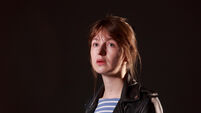
- Anna McQuinn was born and grew up in Kerry and now lives in Waterville. She has written over 30 children’s books.

BOOKS & MORE
Check out our Books Hub where you will find the latest news, reviews, features, opinions and analysis on all things books from the Irish Examiner's team of specialist writers, columnists and contributors.
CONNECT WITH US TODAY



Be the first to know the latest news and updates