The Ginger Man: Seventy years since JP Donleavy's book was banned in Ireland
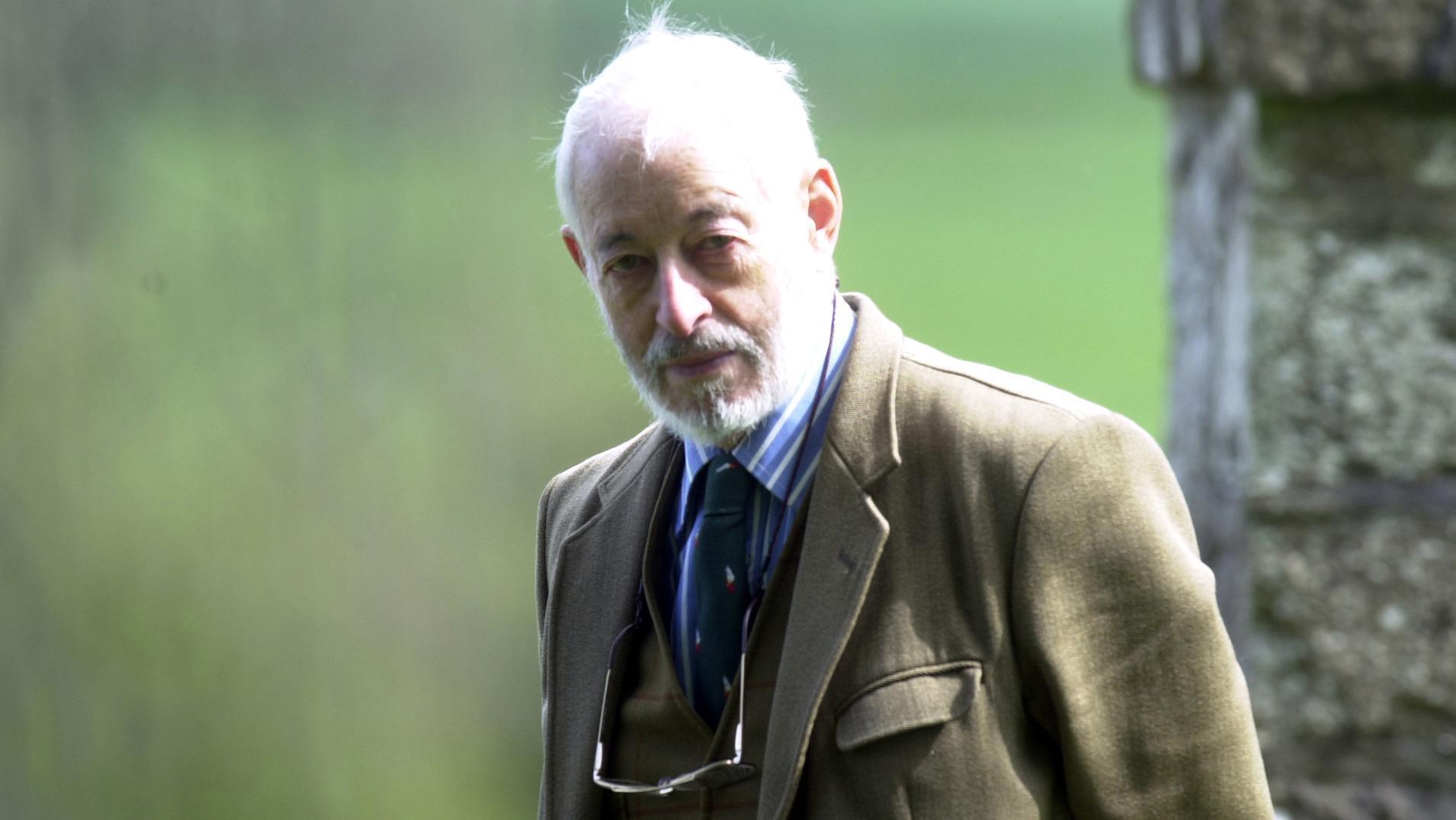
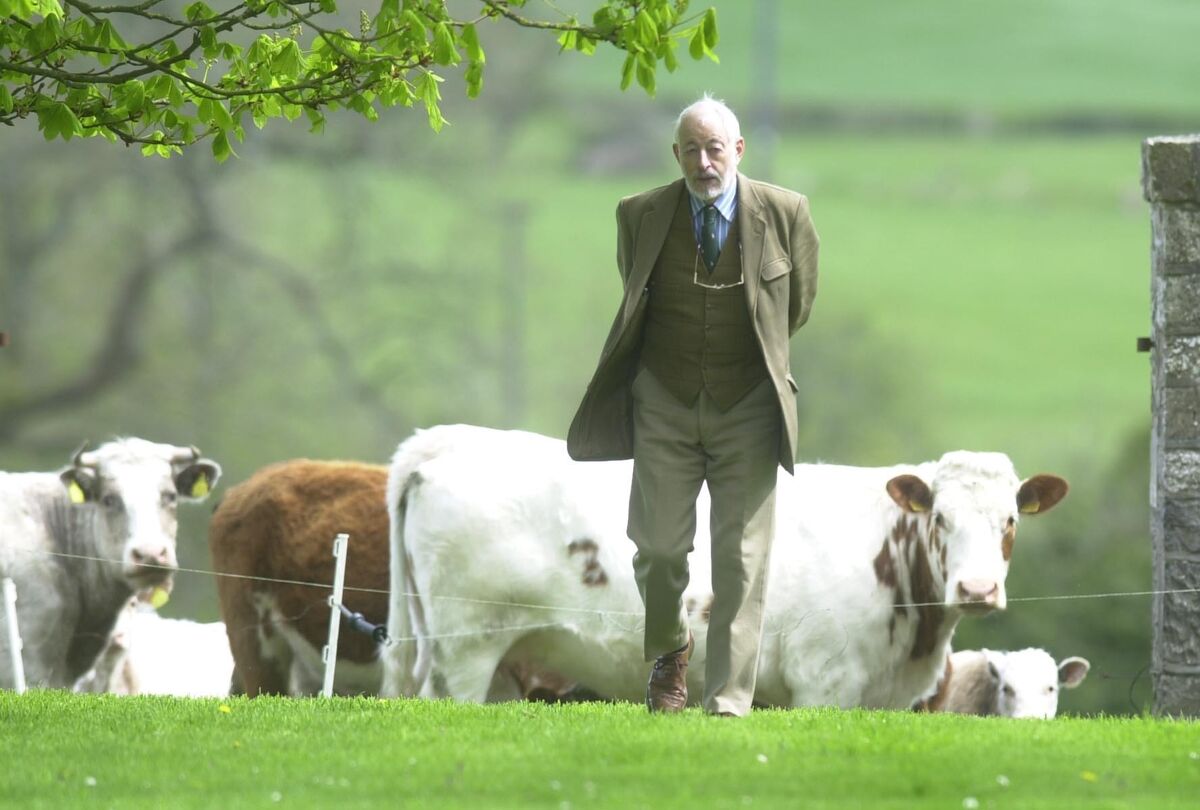
The late JP Donleavy, author of The Ginger Man, in Co Westmeath. Picture: Eamonn Farrell
It was a very different Ireland 70 years ago when was added to a lengthy list of books banned by the Censorship of Publications Board. Author JP Donleavy’s legendary tome was published in 1955, and banned early in 1956 — the same year Ireland accepted 541 Hungarian refugees following the Soviet invasion, and endured petrol rationing due to the Suez Crisis.
Cited for its “unremitting obscenity”, the book was also banned in Australia, the United States and France. Having set himself the task of “writing a novel that would shake the world”, the tale by the Brooklyn-born Irish-American tells of debauchery in Dublin, revolving around American expat Sebastian Dangerfield studying law at Trinity College and idling away his time in the many watering holes across the city. “Dangerfield drinks, fornicates and blasphemes his way through the novel, while managing to elude all responsibility and work of any kind,” was how one reviewer put it.
When I met with the author at his Westmeath estate, Levington Hall, a few years before his death in 2017, the sprightly octogenarian recalled vividly his decision to write about the iconic Dangerfield. “He was based on Gainor Stephen Crist, a fellow American expat and Trinity student, an individual who stood out in the college for being not just charismatic and debonair, but a formidable drinker into the bargain.”
Donleavy saw his debut novel as a blank canvas: “My big advantage was being relatively uneducated. My grammar was appalling, having grown up in the US, a country where language is manufactured all the time.”
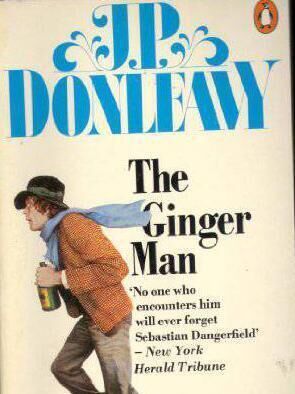
Though it was rejected by more than 50 publishers before being picked up by Olympia Press in Paris as part of its erotic Traveller's Companion series, Donleavy was gratified to discover his fellow writers, chief among them Brendan Behan, praised its content. “The public reaction was very disapproving and condemnatory, but the opposite was the case with my peers. They were very much behind what you were doing and what you wrote and in general terms it was pretty pleasant.”
While it took Donleavy many years and considerable money to wrest control of the book back from Olympia Press, he looked back on its eventual worldwide success with mixed feelings: “It would have been easier to have written a book that was immediately accepted, but it became, for better or worse, the literary effort that defined much of my life. did change my life, but not always in a pleasant way.”
If its publication and subsequent banning 70 years ago showcased the exploits of anti-hero Sebastian Dangerfield to gasps of horror and ripples of hilarity in equal measure across the world, did help part the genteel lace curtains of a hidden Dublin in a bygone era.
Despite its early banning and burning, Donleavy’s opus went on to achieve modern classic status, with 60 million sales in 30 languages. Never out of print, it was included in the Modern Library’s Best 100 English-Language Novels of the 20th Century, joining other forbidden classics like and
Charting life in a Dublin of gullible shopkeepers, grim tenements and affectionate laundrywomen, Sebastian Dangerfield dices with debt and jealous husbands on route to his legendary status. Jay McInerney, author of noted: “ has undoubtedly inspired scores of writers with its vivid and visceral narrative voice and the sheer poetry of its prose.”
Dorothy Parker described it as “a rigadoon of rascality, a bawled-out comic song of sex”.
After his stint in the US navy, the young Donleavy arrived in Trinity College on a GI Bill grant and a generous allowance from his New York parents. Recalling the Dublin of the 1940s as being populated by bands of barefoot street urchins begging pennies amid the pervasive gloom of poverty, it was his identity as a monied Yank that created many of those halcyon episodes from whence the danger-loving Dangerfield and other literary creations would eventually surface.
In pubs like Neary’s, Davy Byrne’s and McDaid’s, Donleavy mingled with an emerging bohemian Dublin, carousing with literary luminaries like Behan, Patrick Kavanagh and Anthony Cronin, alongside painters Lucian Freud, Patrick Swift and Nevill Johnson. Within this bacchanalian set, Donleavy became the willing American acolyte, helping raise a cheery hell around the pubs off Grafton Street and in the cellar of a Fitzwilliam Place townhouse christened the Catacombs.
“We had no notion of any great literary enterprise in the making,” Donleavy observed. “Rather we were young men enjoying each other’s company and whiling away the hours in contemplation of what the evening might bring.”
Secure behind the walls of Trinity, he lived a roistering social life within the graceful groves of academe. “My life was extraordinarily affluent because I had the GI Bill and an allowance.”
Within the precincts of Trinity, a world of gracious ease unfolded for the chosen few: “We lived in a wonderful world of indulgence, traversing the cobblestones from the library to the Buttery bar. Little wonder the Dublin of those days never leaves my mind.”
As we parted company on the steps of Levington Hall, Donleavy smiled at the many adventures had brought to his life. “It never fails to amaze me the universal following the book generated. People will sometimes recognise me on the street, always breaking into a smile as they pass me. I suppose there are worse epitaphs for a person to have.”
“Notoriety will always boost the appeal of a work of art,” says Dr Donal Ó Drisceoil, lecturer in history at UCC, who is currently completing a history of censorship in 20th-century Ireland.
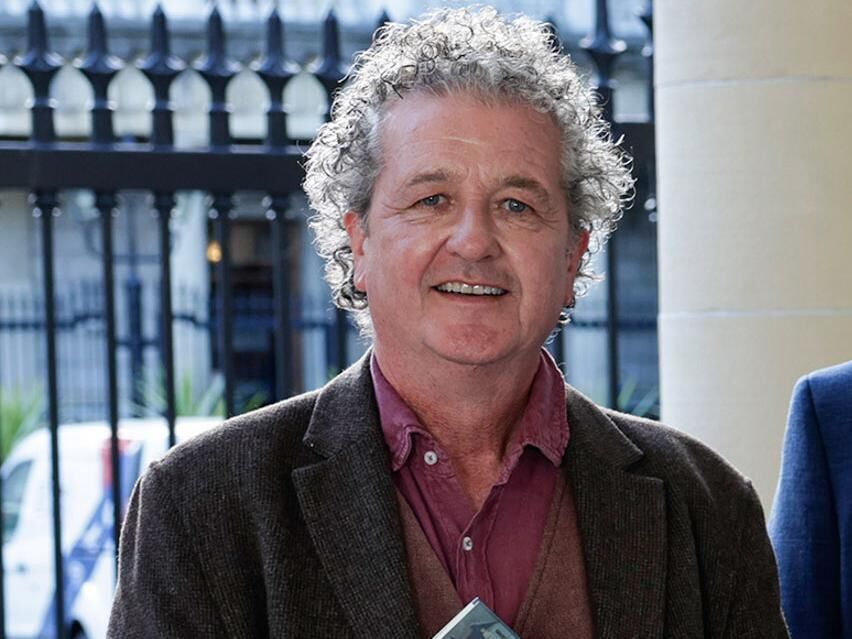
“However, being banned in Ireland in itself would not have made the book notorious or noteworthy — unfortunately, a significant proportion of works of modern and contemporary literature were banned by the Censorship of Publications Board from the 1930s to the 1960s.”
The fact was published in 1955 but not banned until 1956 opened a window of access: “This meant that discerning readers would have bought their copy quickly before the inevitable prohibition several months later. This was one of the great weaknesses of the censorship system — the time lag.
"The book was banned in many other countries also, and this naturally added to its allure and helped to cement its status as exciting and transgressive — which, no doubt, it was.”
The book’s explicit text made it an obvious target for the censors: “The book was banned on the grounds of being ‘indecent and obscene’. Its bawdy and explicit text, and the promiscuity of Dangerfield, made it a certain target for a censorship board that banned thousands of titles that were far milder and less explicit. Sexual content, however mild, was a red rag to the bulls of the censorship board, who were zealous Catholics. The Knights of Saint Columbanus controlled the board at this stage. Donleavy’s next novel, was also prohibited, in 1964.”
As to what he believes made a classic, Dr O Drisceoil is succinct: “Verve, humour, great writing and healthy filth.”