Imasha Costa: Citizenship rule change moves goalposts on hard-working people
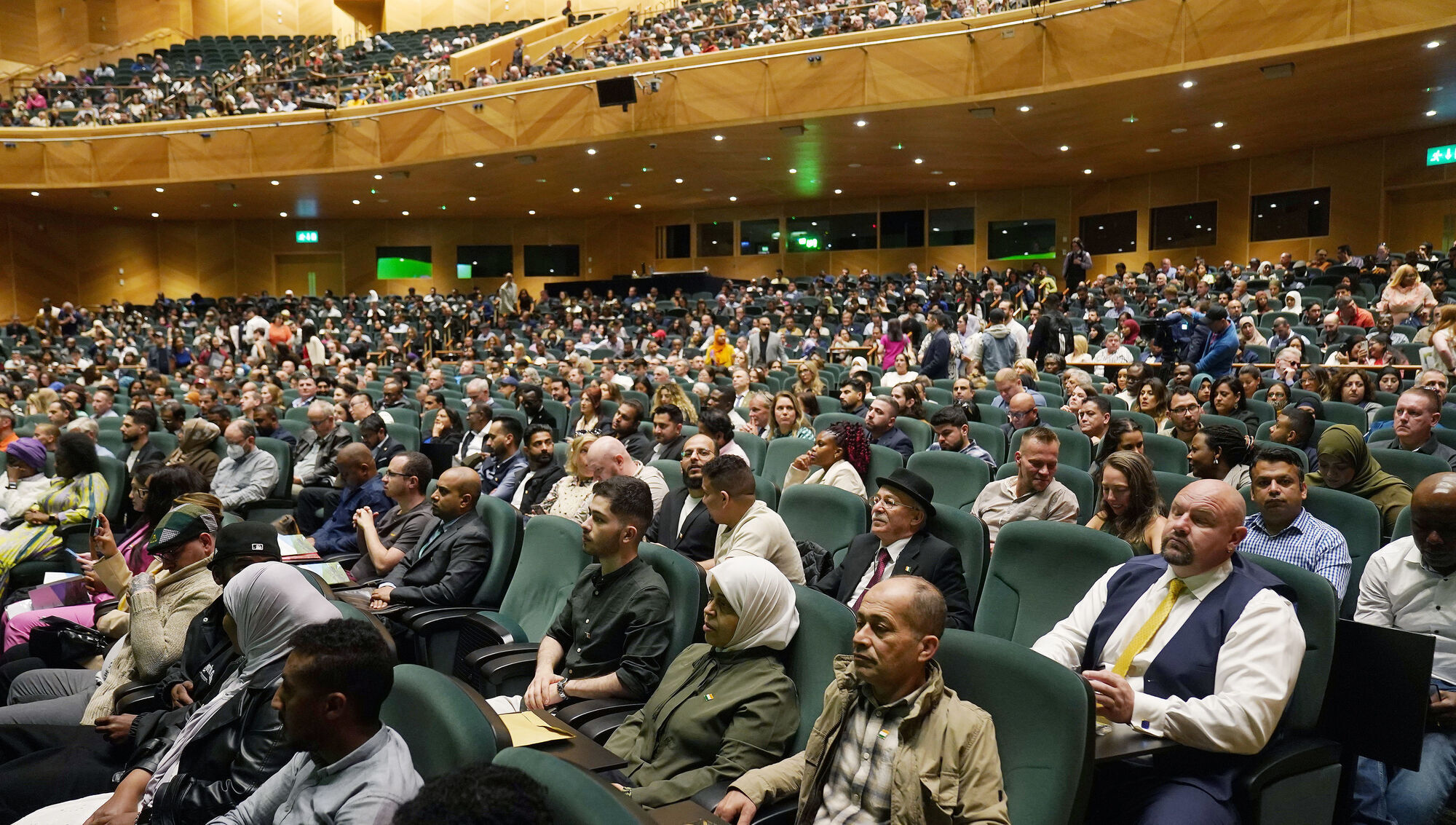
An Irish Citizenship Ceremony in Dublin's convention centre in 2024. File picture: Brian Lawless/PA
Imagine changing the rules of inter-county hurling, five minutes into the second half of a match. Saying the goalposts have been moved and the match is now going to be 100 minutes long, but both teams just have to put their heads down and keep playing because they’ve started now, and they have no choice.
There would be public outcry at the unfairness of it all. That’s how I felt reading Monday’s news that the justice minister was bringing in new rules to change citizenship requirements.
These new rules, which they hope to introduce into law by Christmas, will see those who are already living here, and are coming into their fifth year of reckonable residence, have their timeline extended. They will have to add three more years to the already precarious situation they are in.
Is there logic to this? Is there any research on this? Was there any consultation about this, even slightly? At first, it was rumours; it was whispers; now it looks like those who have legally been living in this country, keeping their head down, paying their taxes, refusing to become a “burden to the State” but who want to join a nation of artists, roamers and freedom fighters, will be punished for just following the rules.
Read More
I moved here under a student visa, a Stamp 2. Time spent here on a student visa does not count towards reckonable residence. I honestly did not know if I wanted to become a citizen. I was privileged to get a job in journalism after college. I then got a graduate visa, which is a bridge between a student visa and a work permit.
Then I got my work permit. This meant I needed to be on a Stamp 1 for nearly five years until I could get Stamp 4. Two years ago, I realised I wanted to become a citizen of Ireland.
I realised this when I started learning Irish, and my cúpla focal got me by at pop-up Gaeltachts and in the real Gaeltacht. It led me to learning how to sing sean nós, and sing regularly at trad sessions across Cork City.
I realised I had integrated so well into this beautiful nation. My Cork accent and my local knowledge of Ireland, alongside the fact that people who know me would call me a ‘GAA hun’ because of my passion for hurling, all added up to one conclusion — I wanted to really belong.
There is no loop-around to get citizenship as a law-abiding individual. You follow everything to the letter; you gather all your documents to prove that you have been legally living here, and the number of years of “reckonable residence” you have.
What is reckonable residence? The number of years which have been determined by the Department of Justice as legally considerable towards your citizenship application.
They ask you to prove your residency through a point system by showing either a bank statement, a document from revenue, or tax record documents.
These are considered “strong evidence.” These are 100 points.
You also need another 50 points; these are shown through either utility bills, rent agreements, or credit card statements. For each year of reckonable residence, you need 150 points.
During the 12 months immediately before your application, you cannot be outside of Ireland for more than 70 days.
December would have been the start of my final year of reckonable residency for the citizenship application.
Finally, would I be able to stop fighting to say I identify as Irish and actually say, yes, this is who I am?
But now the goalposts have shifted. And the people who have been forced to play a longer game with new rules and different goalposts will have to suck it up. GAA teams have gone on strike for less — and the country has supported them.
Will these new proposals create a divide between citizens and naturalised citizens? I understand having a language test and a civics exam; countries like France, Italy and Germany have one, but strengthening revocation for naturalised citizens is something I have been scratching my head at.
Revocation, in case this word hasn’t been part of your world until now, means stripping someone of their citizenship.
Citizens who have decided to become a part of this beautiful nation through naturalisation will now have to be afraid that they could be made stateless if their citizenship were taken away from them.
Revocation had not been possible since a landmark Supreme Court decision in 2020 that struck down the State’s legal process to revoke Irish citizenship. Ali Charaf Damache was an Algerian man who became a naturalised citizen and later pleaded guilty in a US federal court to helping an Islamist terrorist group.
Because of this, the justice minister started steps to take away his citizenship. Section 19 of the Nationality and Citizenship Act 1956 allowed this process, but the Supreme Court found that the system broke the rules of natural justice, making the minister both the accuser and final judge.

The legislation was then amended and signed into law in 2025, which the justice minister said will be used “where citizenship has been obtained fraudulently or when an individual poses a serious risk or threat to the State, it is essential that the power to remove the citizenship which has been granted to them is there.”
The Irish Human Rights and Equality Commission expressed concern over this and said it could be potentially used to revoke naturalised citizenship in “inappropriate or disproportionate circumstances”. In the last 10 years, only eight people have been stripped of their citizenship. This includes two which happened since April 2025.
My question regarding fairness: will this strengthening of revocation also apply to those born to Irish parents as well? Will it only apply to naturalised citizens, making them second-class citizens?
Migrant rights groups have said these proposals are aimed at “making Ireland a hostile place.”
Doras, the Immigrant Council of Ireland, the Irish Council for Civil Liberties, the Irish Refugee Council, Migrant Rights Centre Ireland, and Nasc, the Migrant and Refugee Rights Centre, have expressed serious concern over how these new proposals would create “significant barriers for people who have already established their lives in Ireland.”
“The eight-year waiting period does not account for the substantial delays that already affect the current system,” they said.
And this is true: these proposals will create “significant barriers”. The immigration system has been folding left, right and centre, due to administration delays.
Migrants are left waiting over 12 weeks to get residence permits renewed, on top of paying €300 for them every year. Those delays add months to a citizenship application.
If paying taxes, making an effort to integrate into Irish society, and not being considered a burden to the State is already not enough, what will?
When will we be told that we are actually welcome here — in a land of a hundred thousand welcomes? Every year, every month, every day we hear from politicians on the left and the right saying that we need immigrants to work and keep the economy going. And we do.
And then we are told there are too many of us; we need stricter borders, we need to control the number of people who come in. However, there was a drop of 12% in the number of people who immigrated to Ireland in the 12 months to April, down to 110,600.
We say we need to look after those who come from war-torn countries, and then visas for students from Gaza with fully funded scholarships are refused.
The Government has succumbed to the easy win of blaming the immigrants working hard in Ireland to feed their families back home. It’s quicker, and easier, than fixing the real problems in Irish society — the rich getting richer, and the poor getting poorer.
This will not support integration; it will make people much more fearful, watching every single movement they make and feeling less secure.
And those of us already on the pitch, togged out, having played half the match, must put our heads down, keep playing, and pray they don’t move the goalposts again.
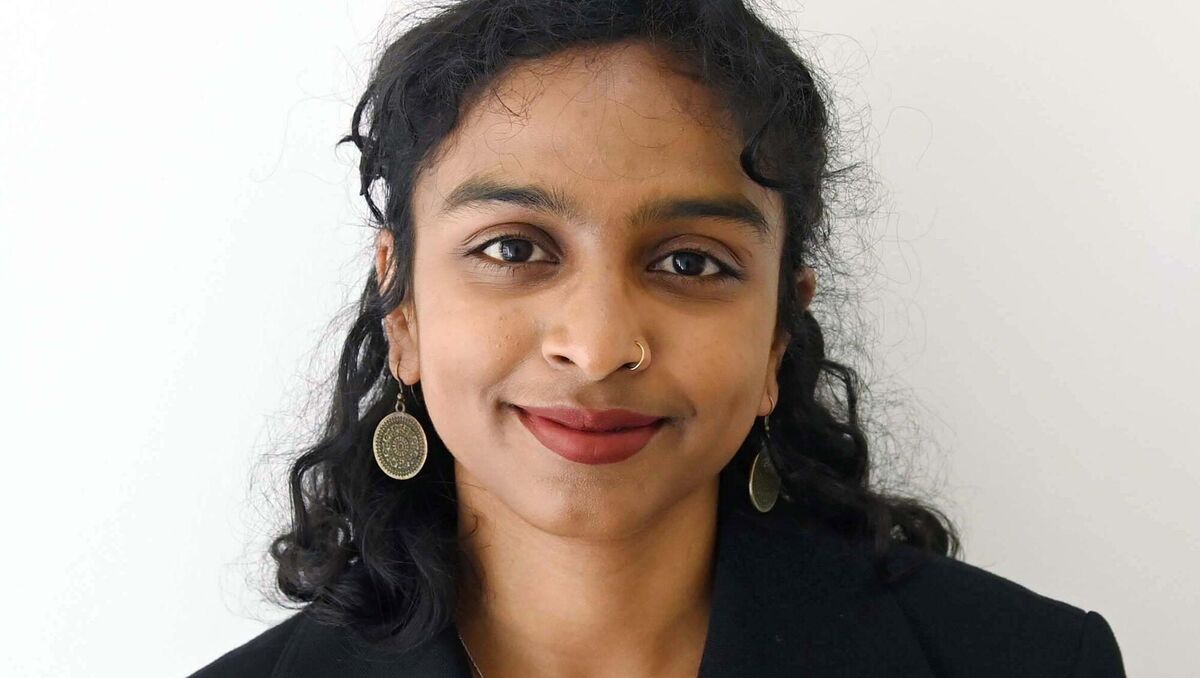
- Imasha Costa is an Irish Examiner journalist

CONNECT WITH US TODAY



Be the first to know the latest news and updates