Is Paw Patrol really a covert authoritarian operation?
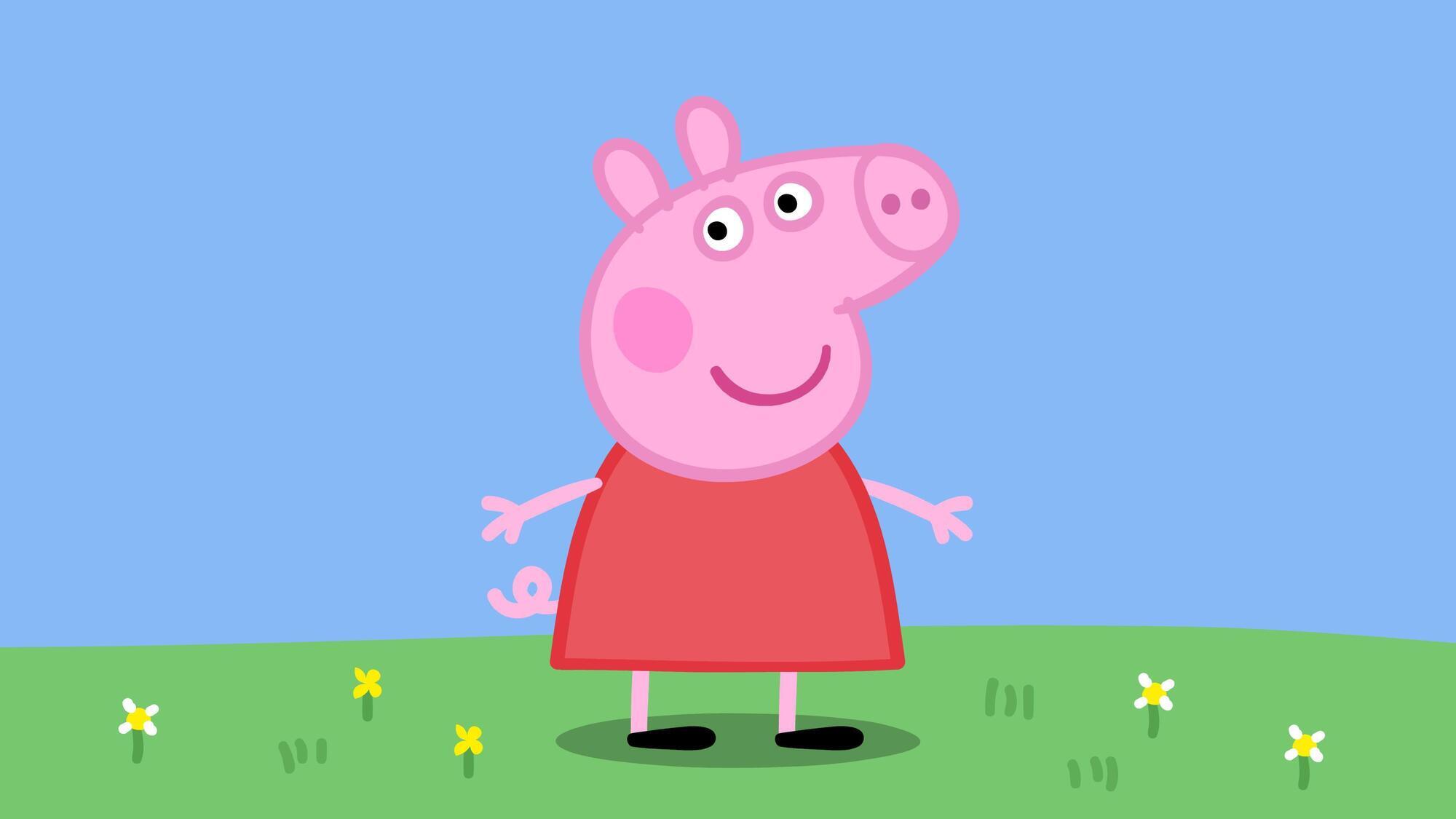
Wholesome Peppa Pig's lax approach to road safety landed the show in hot water early on, when it was noted no one wore seat belts, or cycle helmets. Picture: Channel 5/PA Wire
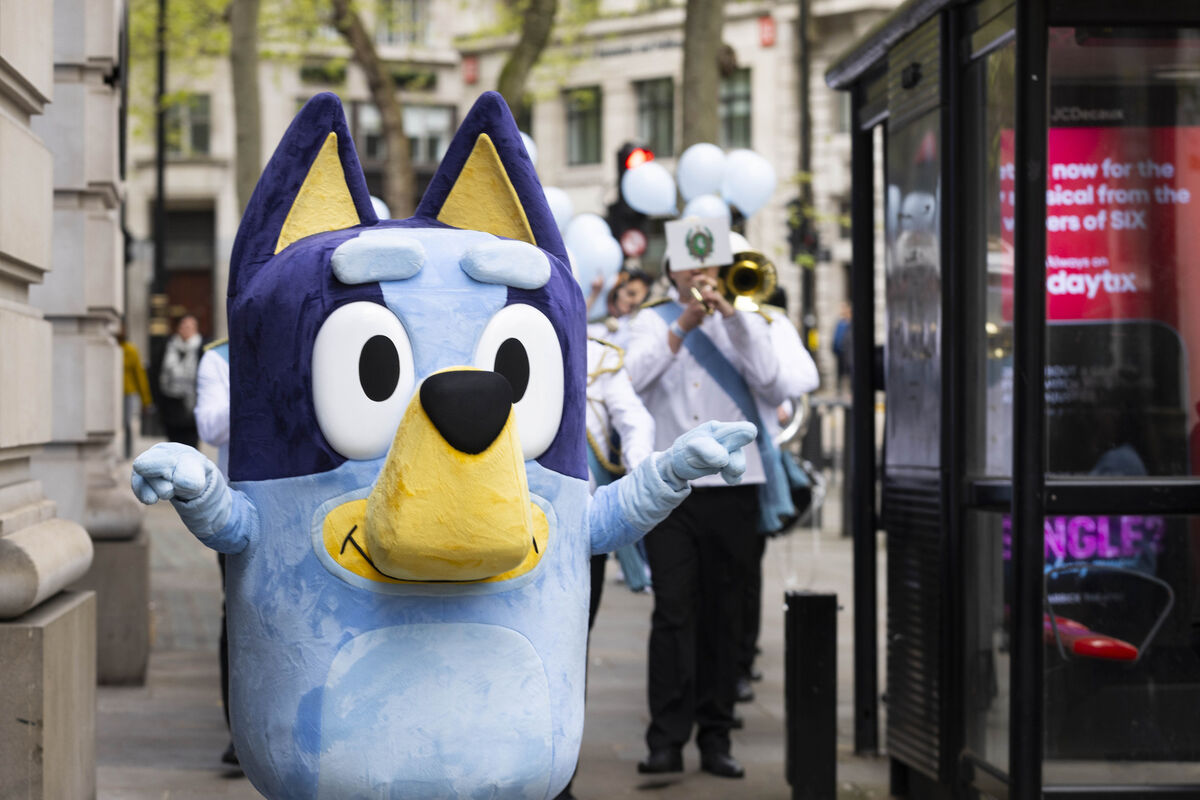
In the dog days of summer, parents with young kids must endure their offspring’s numbingly repetitive viewing routines. Classic Peppa Pig episodes like might be amusing first time around, but not the 10th. is melty, and Bluey’s annoyingly perfect dad Bandit leaves real fathers feeling inadequate.
Worst of all is , which always made me feel like I’d just popped a tab of acid, and reminded me of my older sister’s favourite character from the 1970s TV show , a garden snail called Brian that said things like “far out, man” and was addicted to sugar cubes.
Most of the time you can just zone out while they’re watching and re-watching this stuff (thank you YouTube), but sometimes one yearns for the school bells to chime once more, so daytime TV can be extinguished.
When my son was small, he was obsessed with , a formulaic Canadian animation replete with infuriating earworm catchphrases. The premise is not complicated: each episode a perky team of pups race to the aid of the accident-prone community of Adventure Bay.
Chase, Rubble, Skye, Rocky, Marshall and Zuma all have specialist skills, and are rewarded with sweet treats and doughnuts (it may not be a coincidence that Rubble is on the portly side).
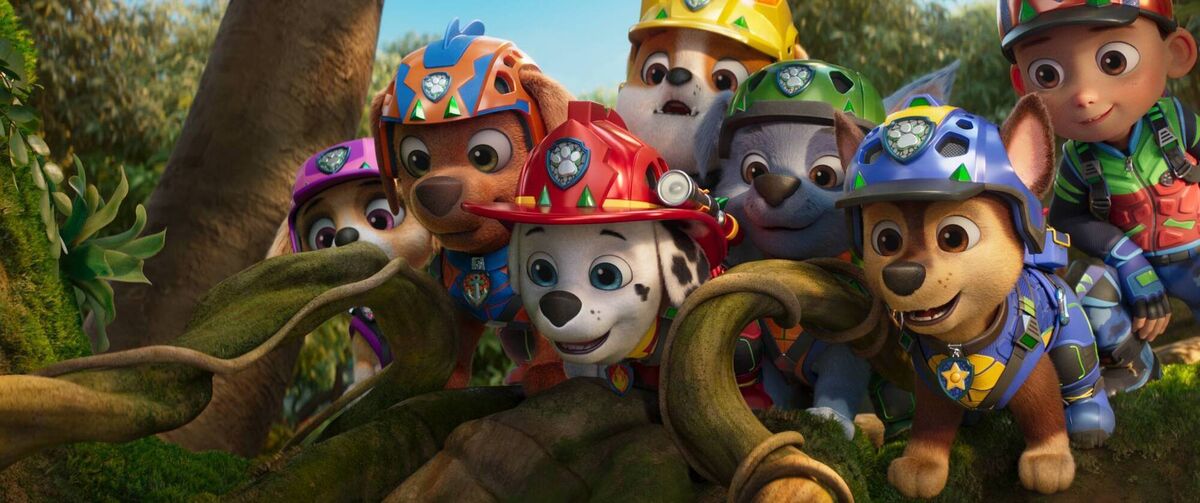
‘Chase is on the case!’, ‘’Rubble on the double!’, ‘no job too big, no pup too small!’: constant repetition of these zappy taglines set my teeth on edge, but so what, I thought, the whole thing seems pretty harmless.
Not so, according to the , which in a recent article investigated claims the show was covertly promoting authoritarian capitalism. So that’s why I didn’t like it.
Superficially, the politics of seem mildly left-wing. My son’s favourite pup, Rocky, is obsessed with recycling; and the show promotes the values of teamwork. Recurring villain Mayor Humdinger, from the rival town of Soggy Bottom, has yellow hair, builds phallic skyscrapers and dreams of global domination. He may remind you of someone.
Read More
But behind this liberal facade perhaps, a darker agenda. The Paw Patrol, it has been pointed out, is essentially a private security company. The dogs’ owner, Ryder, a 10-year-old boy, is quite the capitalist, and will eventually amass a small personal fortune selling pup-related merch.
Skye, the only main female character, is so hopelessly girly her irises are pink, and the pups, though they seem benign, are essentially cuddly vigilantes who ride roughshod over Adventure Bay’s shambolic leader, Mayor Goodway. (He’s probably a Democrat.)
All of which has led academics and commentators to cry foul. A writer accused the show of peddling “authoritarian neoliberal propaganda”, and criminology professor Liam Kennedy went further, arguing “encourages complicity in a global capitalist system that (re)produces inequalities”. And I thought it was just annoying.
"Defund the ", demanded some wag on social media. Steady on.
Does all of this laissez-faire capitalist propaganda sail straight over the heads of the four and five-year-olds who watch it? Let’s hope so, and in fairness to the pups, politics has always tended to obtrude on kids’ shows.
is 100% wholesome right? Maybe, but there’s been the odd speed bump. A lax approach to road safety landed the show in hot water early on, when it was noted no one wore seat belts, or cycle helmets. The error was quickly remedied.
In 2010, the British Labour Party tried to co-opt Peppa for an early education initiative, but she wisely decided against making personal appearances during that year’s general election, sensing perhaps Labour would lose. They did. And of course we need to talk about Daddy Pig.
Inept, overweight, Daddy Pig is lazy, workshy and incompetent. Some men have chosen to find this offensive, but I always had a soft spot for the big fellow, and even empathised with him on some level — not like that bloody Bandit.
, a cartoon series based on Rowan Atkinson’s 1990s' sitcom, remains hugely popular. Unlike the original live action show, it’s witty, well-made. It’s also inescapable. “Obrigad,” he says, when we’re in Portugal; “mais je vous-en-prie” when we holiday in France. No Brexit for Bean (though he probably would have voted for it).
Mr Bean is a strange man-child who talks to his teddy, resists all employment and lives in the attic of a terrifying cockney spinster, Mrs Wicket. He is the embodiment of British class anxiety. Lower middle class himself, he despises his chavy, tattooed neighbours, yearns to be accepted in polite society and is craven in the presence of the upper classes. The episode where he met the queen was mortifying.
Do children need all this tiresome class politics? They’re getting it anyway, and it’s preferable to Soviet-style propaganda. Last month, a group of MPs demanded the Russian animation be removed from British TV schedules. It was soft-power propaganda, they argued.
The show is based on a folk tale about a mischievous little girl who is saved from harm by a jovial bear. That bear is Russia, its critics argue, and the real Russia is not cuddly at all. Perhaps, but again I’m not sure your average five-year-old is watching all this and thinking, you know I really must reassess my negative opinion of Vladimir Putin.
In Argentina, a US cartoon called has been repurposed by that country’s libertarian government to promote the joys of free market economics.
is dull (I watched a few episodes so you don’t have to), but insidious. In it, two perky kids and their Cuban-American grandmother (who’s probably not a fan of Castro) travel back in time in her wheelchair time machine.
Mostly they seek out capitalist heroes like John Locke and Benjamin Franklin and the economist Frederick Hayek, but in one episode they make fun of Karl Marx and strand him on a desert island. That’s not nice. But the Turtle twins meet Rosa Parks too, so that’s okay, and any kid that watches it is more likely to be bored stiff than indoctrinated.
Cartoon propaganda is nothing new: in the 1940s Donald Duck had a nightmare about life in Nazi Germany, Daffy Duck took a more proactive approach and attacked Adolf Hitler with a mallet, and Bugs Bunny single-handedly took on the Japanese Army. That cartoon, , was so full of racial stereotypes it was later removed from circulation.
And not all propaganda is bad. Ms Rachel, the visionary early educator and YouTuber so beloved by small children and their parents, landed herself in hot water last year when she posted a heartbreaking video of herself singing with a three-year-old Gazan double amputee. She has tirelessly fundraised for Gazan refugees, and been rewarded with a very unpleasant online backlash.
, meanwhile, continues to peddle its mildly Ayn Randian brand of capitalism. And lots of kids are watching it — the latest movie spin-off is currently in cinemas. For the moment it seems, is on a roll.


CONNECT WITH US TODAY



Be the first to know the latest news and updates