Colin Sheridan: An 87-year-old woman sparked a general election in Spain. Can its politicians now deliver on housing?
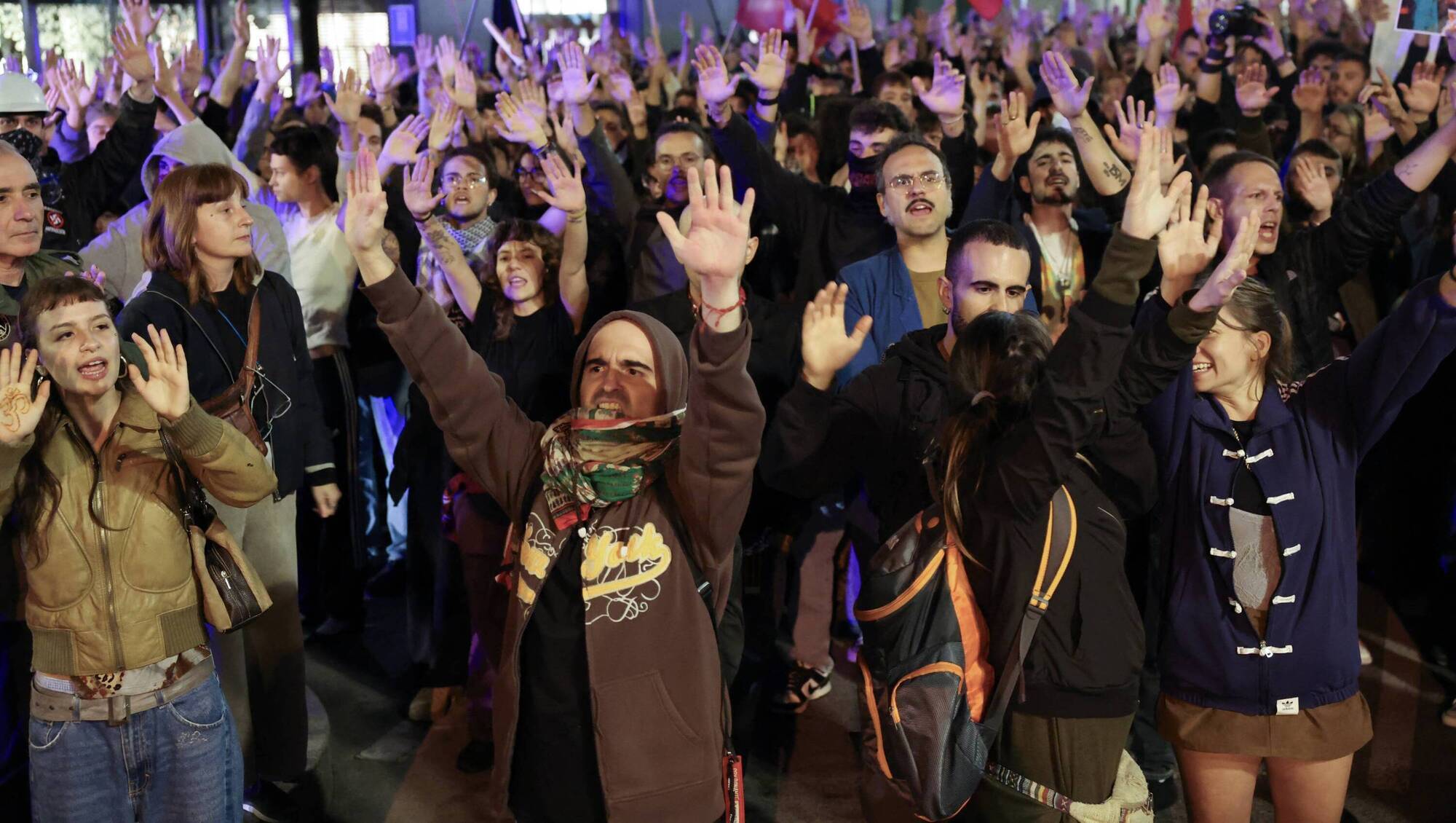
The eviction of María del Carmen Abascal from her Madrid home sparked major demonstrations. Picture: Thomas Coex/AFP via Getty Images

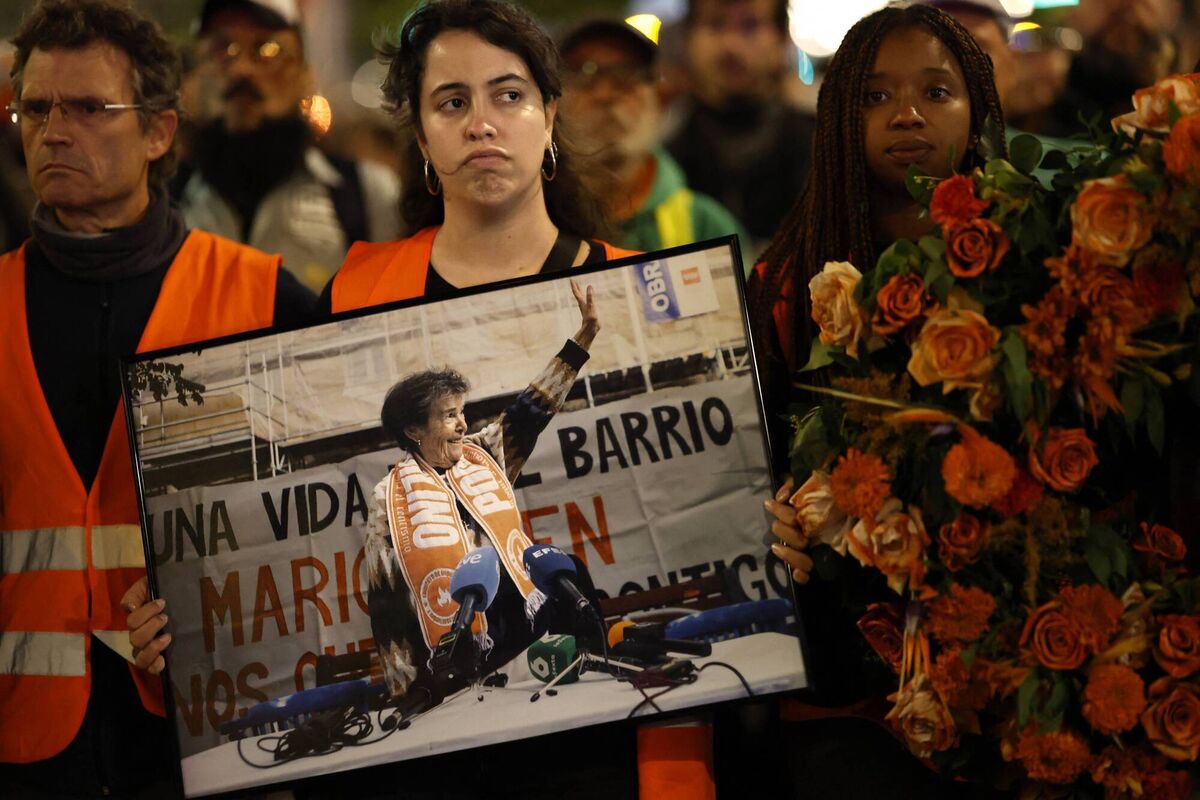
For more than seven decades, María del Carmen Abascal had a home in Madrid. At 87, she was evicted. Two weeks later, she was dead. The woman Spain came to know as Maricarmen became the human face of a housing crisis that has unsettled its politics.
Her eviction on September 23 helped propel people into the streets. On Wednesday, she died before an agreement allowing her return could bring her home.
Now Pedro Sánchez, Spain’s socialist prime minister, is asking voters to give him the parliamentary strength to address the crisis. An election on November 29 will test whether anger can rescue a politician whose government has had eight years to act.
It is a question Irish readers will recognise. Economic success offers limited consolation when finding somewhere to live becomes an obstacle to having a life.
For Sánchez, it is also another wager on his ability to survive. The 54-year-old economist lost his party’s leadership in 2016, reclaimed it in 2017, and became prime minister in 2018 after a corruption scandal helped bring down the conservative Mariano Rajoy.
In 2023, his Socialist Workers’ Party finished behind the People’s Party, yet Sánchez assembled the support necessary to remain in office.
“He’s a great survivor,” says William Chislett, author of many books on Spain and a longtime commentator on its politics. Chislett first reported from Spain in 1975, covering its transition to democracy for .
After working in Mexico for the , he returned to Madrid in 1986. His forthcoming Spanish-language book, he says, examines the country’s transformation across the 50 years following its first post-dictatorship democratic elections in 1977.
He points to the title of Sánchez’s first memoir, : a manual of resistance. It is an appropriate introduction to a politician repeatedly pronounced finished.
Survival, however, has required managing a minority coalition with the leftwing Sumar alliance, dependent on additional regional and nationalist parties. The government has failed to secure a new budget since 2023. Its vulnerability became decisive when the PP, far-right Vox and Catalan separatist Junts rejected emergency housing measures.
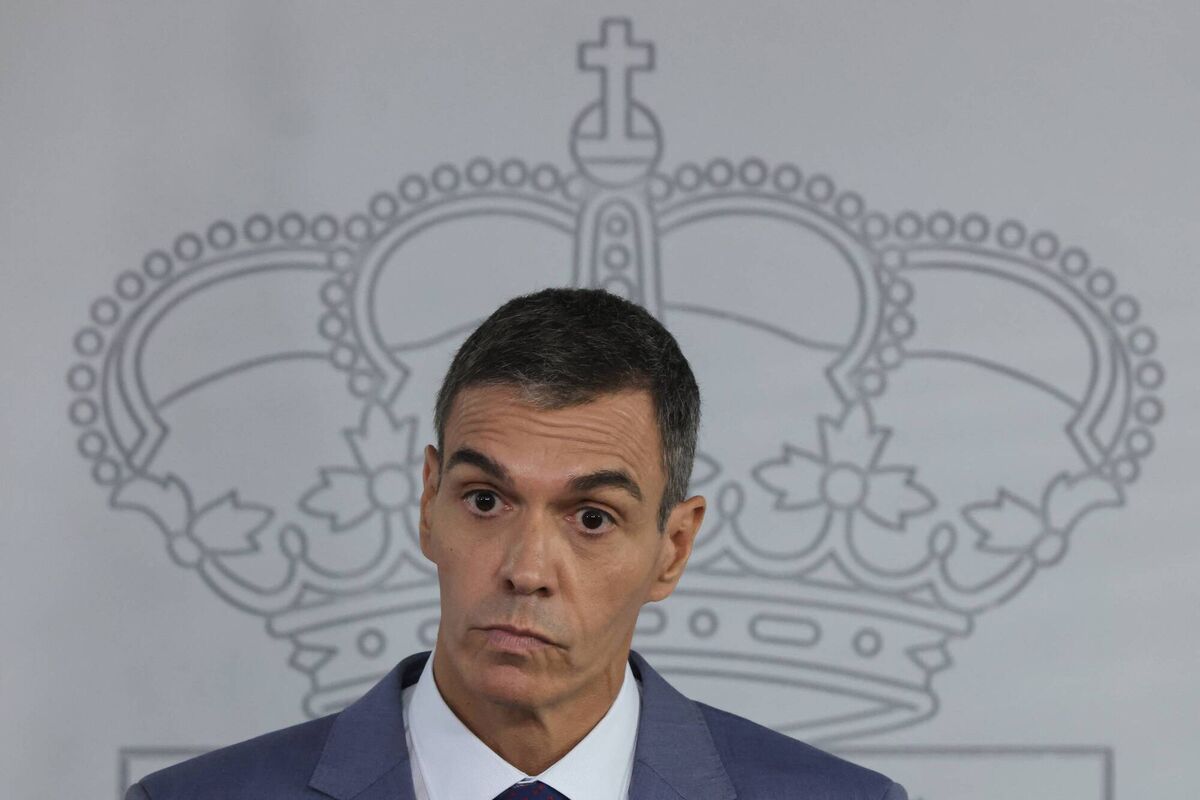
Sánchez called the election on Monday. He hopes to make the opposition’s obstruction the issue. His opponents will ask why the emergency became so acute under his watch. Corruption allegations involving his party and inner circle further complicate his claim to renewal.
Read More
From abroad, the picture can look different. Sánchez has challenged Donald Trump and taken a prominent position against the Israeli government’s conduct in Gaza. For Irish observers, that stance offers a point of identification with a larger European country willing to speak forcefully on Palestine.
Chislett believes resistance to Trump has support beyond Spain’s left. He locates it within a longer history of distrust towards Washington, reaching from the Spanish-American war of 1898 to America’s Cold War accommodation with Franco’s dictatorship.
An international position can command respect without deciding an election. Asked about Palestine’s electoral importance, Chislett returns to domestic priorities.
“We’re back to bread-and-butter issues,” he says. “Housing, jobs, education.” Spain’s economic progress is substantial. Chislett describes growth consistently exceeding the eurozone average, falling unemployment and a tourism industry central to the recovery. Labour reform and increases in the minimum wage form part of the government’s domestic record.
Yet improvement must be measured against Spain’s difficult starting point. Unemployment has fallen dramatically from the depths of its financial crisis but remains a serious weakness. National growth figures also cannot tell a young worker whether independence from the parental home is affordable.
Nor, Chislett cautions, should every improvement be credited to ministers. Governments tend to claim favourable conditions as their achievement and blame unfavourable ones on the outside world.
Migration illustrates both the progress and the unfinished work. Foreign workers sustain businesses, tourism and care for an ageing population. Chislett regards regularising undocumented residents as a humane measure that allows people to enter legal employment and contribute taxes and social insurance.
But he questions the coherence of a system reliant on successive regularisations, undertaken by conservative as well as socialist governments. Repeatedly resolving legal limbo is different from planning for migration.
Housing exposes a similar distance between responding and governing. Responsibility is divided between Madrid, regional administrations and municipalities. Chislett considers it a failure of successive governments, but Sánchez cannot escape responsibility for the deterioration during his own tenure.
“We have huge pent-up demand,” he says, “chasing very little supply.” The government has since approved fresh housing decrees, including protections against eviction and intervention in rents, with parliamentary validation still required.
Meanwhile, the major unions have called a general strike for November 11. Mobilisation could strengthen Sánchez’s argument for action. It could equally demonstrate the depth of dissatisfaction with the institutions already responsible for providing it.
That problem will outlast a campaign. It also creates an opening for politicians who present immigration as the explanation for insecurity.
Chislett’s assessment of Catalonia is more favourable. He believes the amnesty for those involved in the 2017 independence push helped calm a confrontation that had become internationally damaging. He argues a future PP government could inherit the benefits of a policy it bitterly opposed.
Here, political pragmatism and public benefit can coexist. An accommodation that helped Sánchez remain in office may also have made Spain easier to govern. Whether voters elsewhere accept that distinction is another matter.
The larger country has changed almost beyond recognition since Chislett’s arrival. He points to its international businesses, infrastructure and social transformation, obscured abroad by familiar images of holidays or permanent conflict between left and right.
But modernisation does not mean the past has been fully confronted. Sánchez’s government removed Franco’s remains from the Valley of the Fallen in 2019, decades after the dictator’s death. Chislett believes Spain’s teaching and public explanation of its recent history remain inadequate.
He is particularly disturbed by nostalgia for the dictatorship among people too young to have experienced it. In his assessment, ignorance leaves younger voters vulnerable to claims life was better under Franco.
Spain can be profoundly different and still struggle to explain how it became so. That unresolved history forms part of the background to an election in which the far right could acquire national governing power.
Chislett expects the PP to emerge as the largest party. The question, he says, is whether Vox enters government with ministers or supports it from parliament. A Sánchez recovery would probably require another difficult arrangement involving the left and regional parties. None of those outcomes is settled before the campaign.
A government dependent on Vox would also raise questions about migration, regional autonomy and Spain’s international voice. Those choices matter beyond its borders.
But presenting the election simply as a contest between progress and reaction risks overlooking voters in Spain whose dissatisfaction arises from everyday experience, rather than a settled ideological allegiance.
For voters, the argument will concern what political survival delivers. Sánchez has endured, negotiated and helped steer a transformed country. He must now persuade people that another term will change circumstances they cannot endure much longer.
María del Carmen Abascal did not live to return home. Her story leaves Spain’s politicians with a question more immediate than their competing accounts of progress: who gets to remain secure in the country they have built?


CONNECT WITH US TODAY



Be the first to know the latest news and updates