Richard Hogan: Children get such a buzz when they replace tech with play
Playing with toys and losing yourself in your imagination is not just nice for a child, but actually therapeutic and a significant part of their cognitive development, says Richard Hogan
Richard Hogan: Children get such a buzz when they replace tech with play

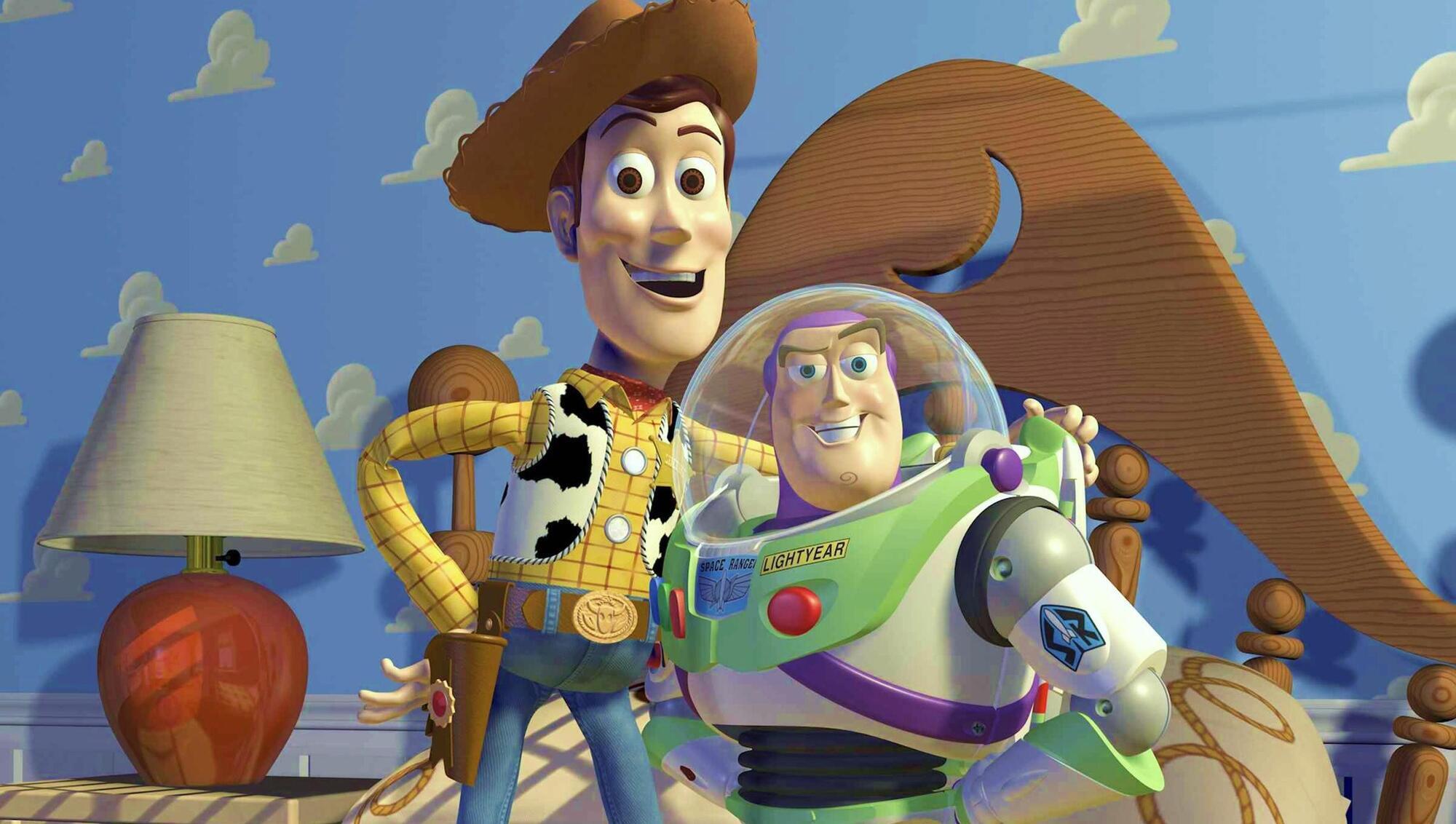
Buzz Lightyear and Woody are facing the rise of tech in Toy Story 5, which is out this summer.

Pixar Animation Studios have always been at the edge of innovation. There is something special about a Pixar film. They generally have real meaning at the centre of their stories.

I remember coming in from a run one evening, many years ago now, and seeing my wife an emotional wreck watching the start of Up when she was about seven months’ pregnant. She looked up at me and explained that (spoiler alert) the couple in the story met when they were kids, got married, struggled to have a child, and then the wife got ill and died.


I was thinking: ‘What sort of a cartoon is that?’ But there has always been a deeper theme to many of its productions.

Last weekend, I was sitting with my kids when an ad for Toy Story 5 popped up on the screen. Woody, Buzz, and the gang are up against it as technology has replaced children’s interest in playing with them. It is the lived experience of toys the world over. Unless you are a Jellycat or Needoh. It hasn’t been easy, being a toy in the last 10 years.

As I watched the ad, I thought: ‘Thank you, Pixar, for making kids aware of just how their attention has been grabbed by technology.’ We need a storyline like this today, to challenge the annexation of childish play by technology.

Play is so important for children. They are wired for play, it improves and supports their development, while also teaching them about many aspects of adult life. They get to role-play positions of leadership, marriage, friendships, death, etc.

When children play, they explore the world around them, they experiment, and they solve problems. I see it with my daughter at GAA, when they are all coming back to the car, the fun they have playing and chatting with each other.

Play activates important brain regions and promotes creativity and imagination. Everything around us is the human imagination brought to life. The laptop I’m writing on, the shoes I’m wearing, the chair I’m sitting on, they are all here because someone dared to dream.

Those dreams are fostered and honed when we are children and allow our imagination to run wild.

Playing with toys and losing yourself in your imagination is not just nice for a child, but actually therapeutic and a significant part of their cognitive development.

Richard Hogan: 'Play is so important for children. They are wired for play, it improves and supports their development while also teaching them about many aspects of adult life.'

I listen as my youngest daughter plays with her Barbies, the fun she has getting lost in her imagination. It’s wonderful to witness.

In play, children learn about themselves and how to compromise. Sharing toys and sharing storylines helps children towards healthy maturation. When that is removed, a child is less confident and less able to think about themselves in a positive way.

Play can be the antidote to anxiety. For it is in play that children can work out some of the oblique things that scare them. But it also teaches them how to talk with other people.

Something I have noticed over the last number of years that worries me is that some children will not come to school when their best friend is out sick. That is the shrinking of self-confidence.

We want our children to have teeth in the world so they feel powerful and don’t excessively worry about the future. Playing with your friends is the antidote to all of that.

When I watch my daughters playing camogie or football, I see them grow. The rough and tumble, the odd elbow, the pushing and grabbing for the ball, the pride for their bruises they show you on the way home, the respect for the coaches and referees. It is in those moments that they learn they have more resilience than they thought.

The future is less scary when you know that. They don’t learn that playing Roblox or Fortnite. They have their place in your child’s life, but they should never be the replacement for real play.

That is what I have seen over the last number of years. Technology completely replacing play, and children have suffered as a result.

But it is not too late. What I find particularly positive is how quickly children will fall into play. They just need a little encouragement. A little area that is just for them and their play.

‘OK’, I’ll say to them when I see them a little restless and bored, ‘play with what you have now, guys, no more technology for today’. They will generally jump up and run into their Barbies and start playing. I’m often dragged into the games, I have to pretend to be Ken and off the game goes.

In the evening, we have ‘game night’, where we might play Uno or Pictionary. When children are on a device, they go quiet. But when they play family games, there is a ruckus going on, and it’s golden. The laughter, the desire to win, the chat about it and who will win next time.

Technology is here to stay, and like in Toy Story 5, toys are up against it — but play is more than kids occupying time, it is teaching them invaluable lessons, and vital for their development.

x

More in this section

Lifestyle

Newsletter

The best food, health, entertainment and lifestyle content from the Irish Examiner, direct to your inbox.

Cookie Policy Privacy Policy Brand Safety FAQ Help Contact Us Terms and Conditions

© Examiner Echo Group Limited