ieExplains: What is the new personal investment account and should I put my money into it?
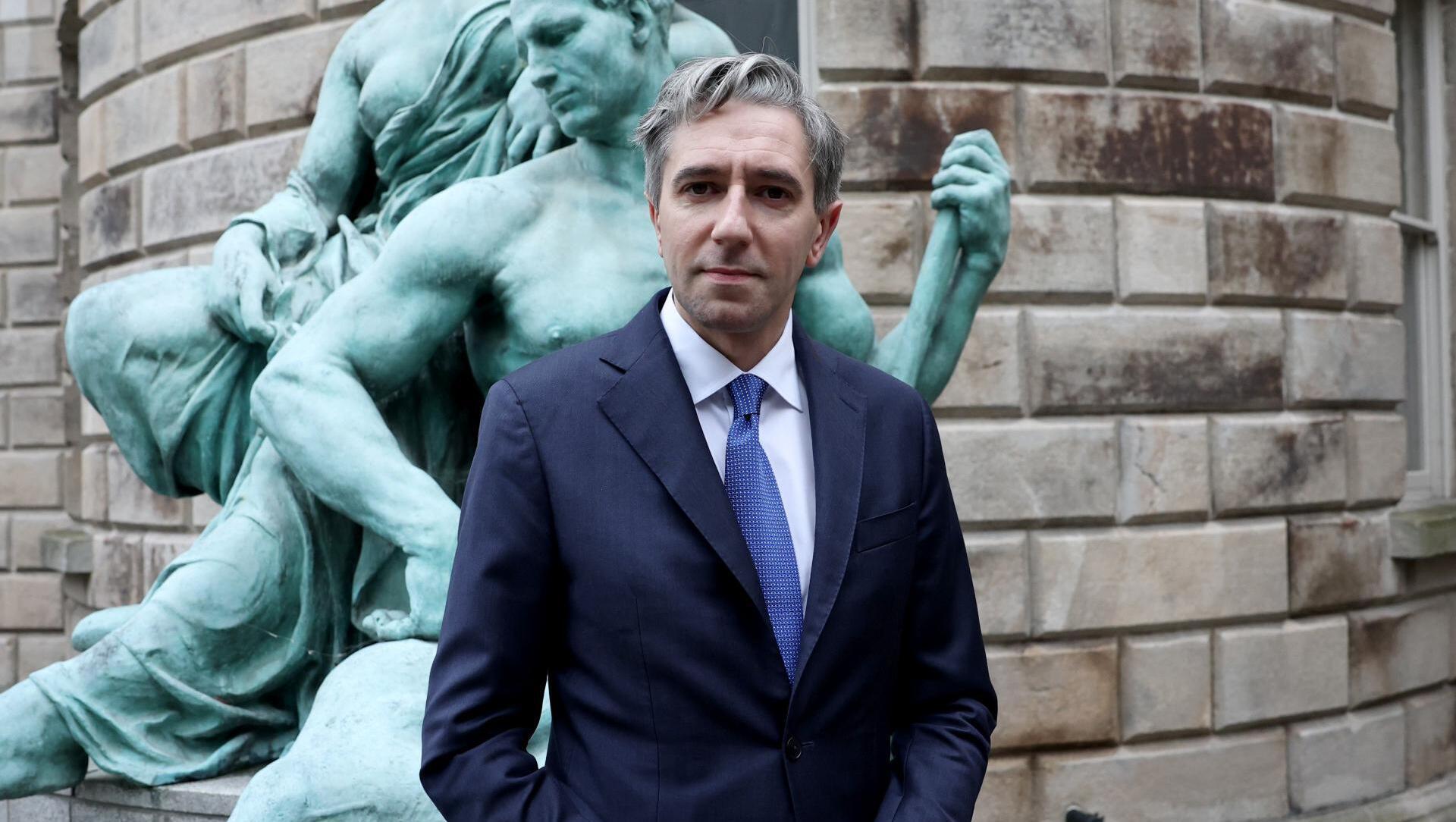
Finance Minister Simon Harris: 'We want to make investing simpler, clearer and more accessible to people.' Picture: Clodagh Kilcoyne/PA Wire
This week, finance minister Simon Harris unveiled the full details of a new Irish personal investment account, aimed at creating an environment where people can put their money to work to build up their own financial resilience.
"We want to make investing simpler, clearer and more accessible to people," Mr Harris told the Dáil.
Here's all you need to know about it.
Under the scheme, people can put their money into eligible investments including bonds, exchange traded funds (ETFs), and other approved funds. However, so-called risky investments such as crypto currency and derivatives will not be allowed. It is expected retail banks, investment firms, insurers and even An Post will all provide offerings under the scheme.
People will be able to deposit up to €12,000 each year. There will be no minimum contribution. There will be a tax-free threshold up to €50,000, meaning investors are unlikely to pay tax for the first few years of the scheme.
A flat 1% tax will be applied on the value of the account above the threshold, so if an account is valued at €2,000 above the threshold, in other words €52,000, the tax payable for that year would be €20. It's important to note tax will be collected once a person goes over the threshold, not just on the profit made by investors.
It means people may be hit for a tax bill even if the account lost money in a given year. As investment accounts can fluctuate significantly, the value of the account will be calculated daily and the amount of tax owed will be determined on the average. The administration and payment of any tax owed will be managed by the product provider.
The complex Irish deemed disposal rule will not apply to investments held inside this account.
The scheme will open at the start of July next year.
At the moment, no. But Mr Harris has indicated he is open to broadening out the scheme to allow parents set up accounts for children, for example.
No. Investing only works if you are in a position to put money away for long periods and don't need access to it. Deposit and savings accounts will continue to be the right choice for many people, as will Ireland State Savings which will continue to offer a suite of savings and investment products, such as Government bonds, that are 100% guaranteed by the State.
"Government’s role is not to tell people how to manage their money," Mr Harris told the Dáil. "It is to ensure that people have clear choices, information they can trust, a system they can understand and a tax system that works."
The measure is part of a wider move at EU level to encourage people to invest their money rather than simply lock funds away in a traditional savings account that gains very little.
Ireland has one of the highest levels of household savings in Europe, with more than €160bn in bank deposits. However, we do not have the same tradition of investing in riskier options that can provide larger returns in the longer term.


CONNECT WITH US TODAY



Be the first to know the latest news and updates