New research shows Irish journalists believe they are bugged by gardaí
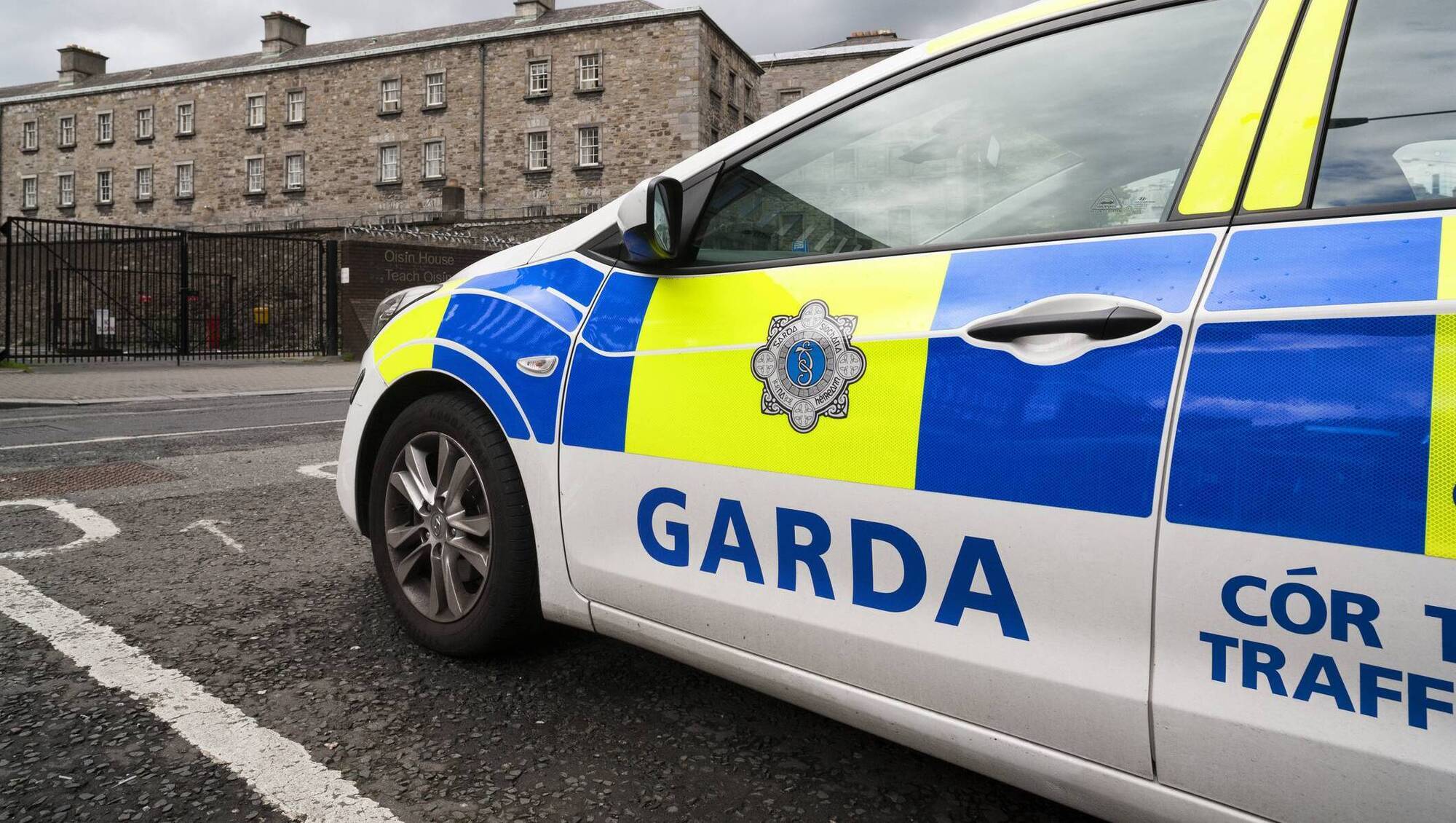
Journalists working on both sides of the border said they either believed, or knew, that the PSNI and gardaí surveilled journalists.
In August 2018, police applied for a search warrant on the business premises and homes of journalists working for Fine Point Films, a production company in Belfast. The police were looking for information relating to an alleged leak from the office of the Police Ombudsman Northern Ireland.
The police claimed journalists Trevor Birney and Barry McCaffrey — who were involved in the production of the 2017 documentary about police collusion in the 1994 Loughinisland massacre — had been given information that was stolen from the ombudsman. The court granted the warrant, and police carried out a series of searches, seizing materials and digital devices from various locations.
These search warrants were subsequently found by the Northern Ireland High Court to be unlawful. The court determined efforts by the police to identify confidential journalistic material breached the legal protections for ‘journalistic privilege’ under Article 10 of the European Convention on Human Rights.
In its judgment, the Northern Ireland High Court also highlighted the central importance of protecting journalistic privilege to the work of journalism in democracy.
The aftermath of the Fine Point Films case revealed a much larger scandal around police surveillance and monitoring of journalists in Northern Ireland. This is a scandal which continues to grow and evolve, most recently including surveillance of BBC journalist Brian Rowan in the mid-2000s in order to identify his confidential sources.
This information came to light as part of RTÉ journalist Vincent Kearney’s litigation against the PSNI and MI5 over surveillance of him during his time as a BBC journalist.
Northern Ireland does not hold a monopoly on surveillance of journalists in Ireland. In December 1982, it was revealed the phones of prominent journalists in Dublin had been subject to Garda wire taps. The scandal surrounding the phone tapping of journalists led, a decade later, to Charles Haughey’s resignation as taoiseach.
Read More
More recently, the Garda Síochána Ombudsman Commission subjected journalists to surveillance to identify confidential sources from within An Garda Síochána.
The legal framework governing aspects of Garda surveillance of journalists is currently being revised under the Garda Síochána Powers Bill 2026. .
We have now published a report on . This study, in collaboration with the Irish Council for Civil Liberties, is the first of its kind. We interviewed journalists who report on crime and security matters, from across the island of Ireland.
We asked them about their experiences with the police and the courts, particularly in relation to surveillance and protection of confidential sources. We also asked them about their role within Ireland’s democracies, and challenges they experience in that role.
One described being threatened with arrest by gardaí trying to identify their confidential sources. This finding is particularly surprising, as these experiences have not been publicly discussed despite what is, on its face, an alarming encroachment by gardaí on journalistic autonomy.
A similarly surprising finding was the number of journalists — in all cases, specialist crime reporters — who knew they had been subject to wire-tapping by gardaí, in an effort to identify their sources.
Again, given the scale of the scandal in Northern Ireland, it is remarkable this experience has gone unremarked upon down South.
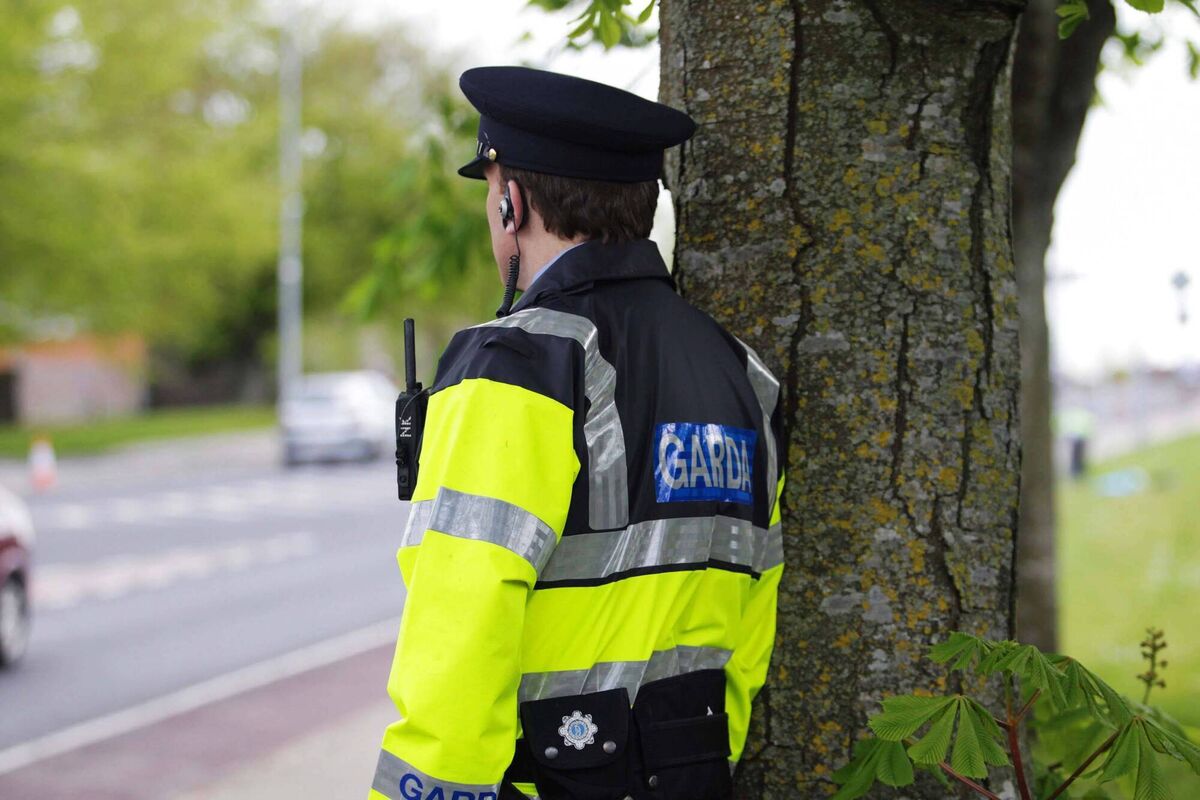
Journalists working on both sides of the border said they either believed, or knew, that the PSNI and gardaí surveilled journalists. However, journalists based in the North were more inclined to view PSNI surveillance as sinister, whereas participants based in the South — specifically specialist crime reporters — were inclined to view Garda surveillance of journalists as routine and less threatening. This perhaps explains why journalists down South have been reluctant to publicly disclose their experiences.
There were notable differences between specialist crime reporters in the South, and their non-specialist (or generalist) peers. In particular, non-specialist journalists described the relationship between specialist crime reporters and An Garda Síochána as excessively close, and undermined independent and critical reporting on policing and security.
A number of non-specialist journalists in the South also noted the increasing power of specialist crime reporters in Irish newsrooms, as news organisations chase audience engagement driven by strong interest in crime news.
Some observed this increasing power was undermining critical reporting on An Garda Síochána, as some editors worry future access to ‘exclusive’ crime stories from Garda sources will be harmed if sources do not like negative coverage of the force.
Participants in this study universally described the PSNI and An Garda Síochána as secretive, institutionally closed, and uncomfortable with transparency, particularly when compared with police forces in England or the US.
An Garda Síochána was specifically noted by participants as preferring informal information-sharing with specialist crime reporters. Some journalists in this study noted the force used this to leverage the power imbalance between journalist and police to suppress critical reporting of the force.
In terms of their democratic role, participants were remarkably consistent in their commitment to protecting confidential sources. Nearly all participants said they would be willing to go to prison rather than disclose confidential sources.
The findings of this study suggest the confidence of journalists in their democratic role is high, though under strain. While their role is vital, there are ongoing doubts about the legal protections given to journalists working in the most sensitive of arenas.
The Garda Powers Bill 2026, currently before the Oireachtas, will address some of these issues. But as I have argued previously, these protections are wholly inadequate to journalism’s democratic role.
The full report can be accessed here.
- Cian Ó Concubhair is an assistant professor in criminal justice at Maynooth University
CONNECT WITH US TODAY



Be the first to know the latest news and updates