Perez Hilton helped create a cruel internet. His suffering should not make us cruel too
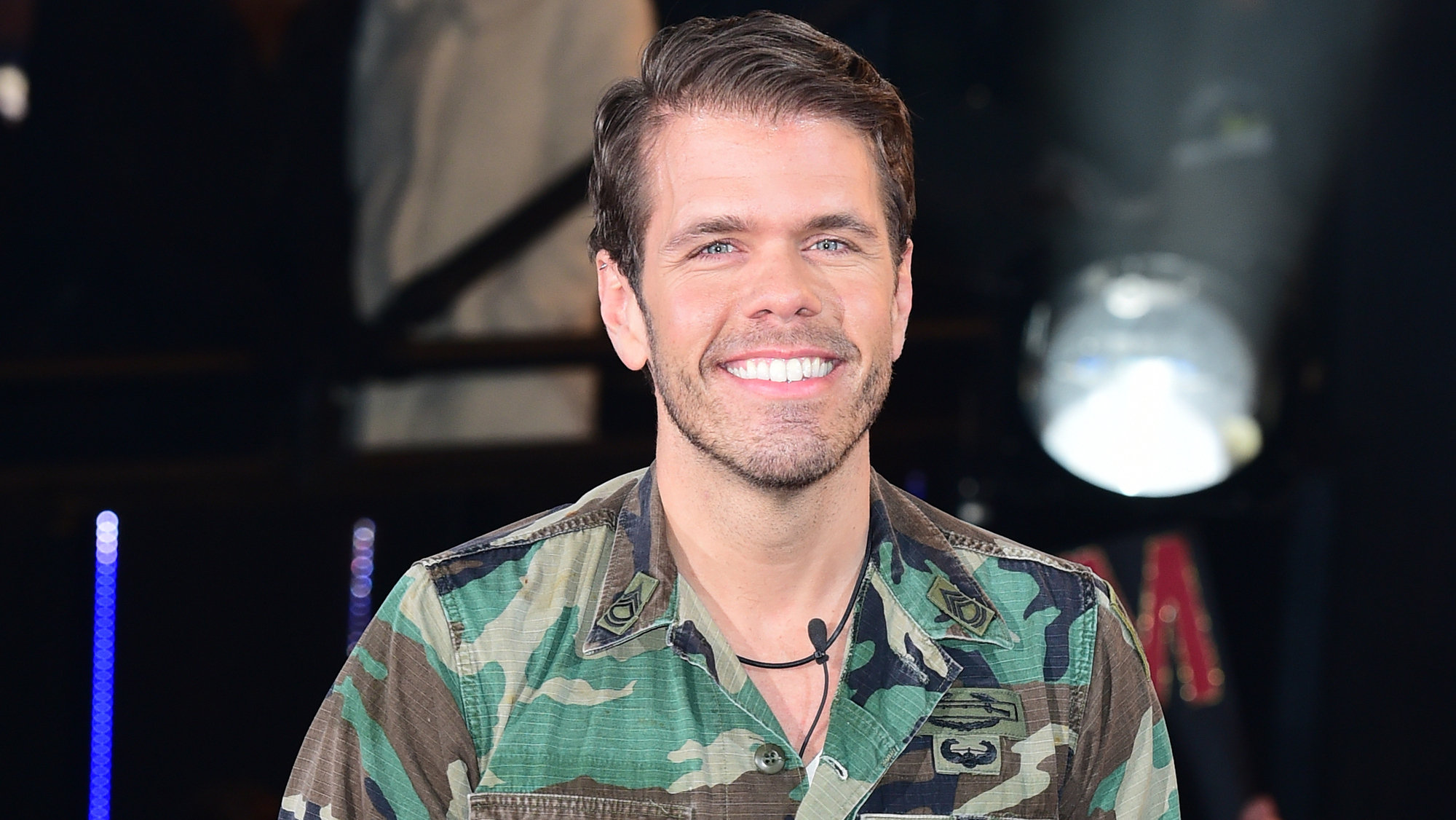
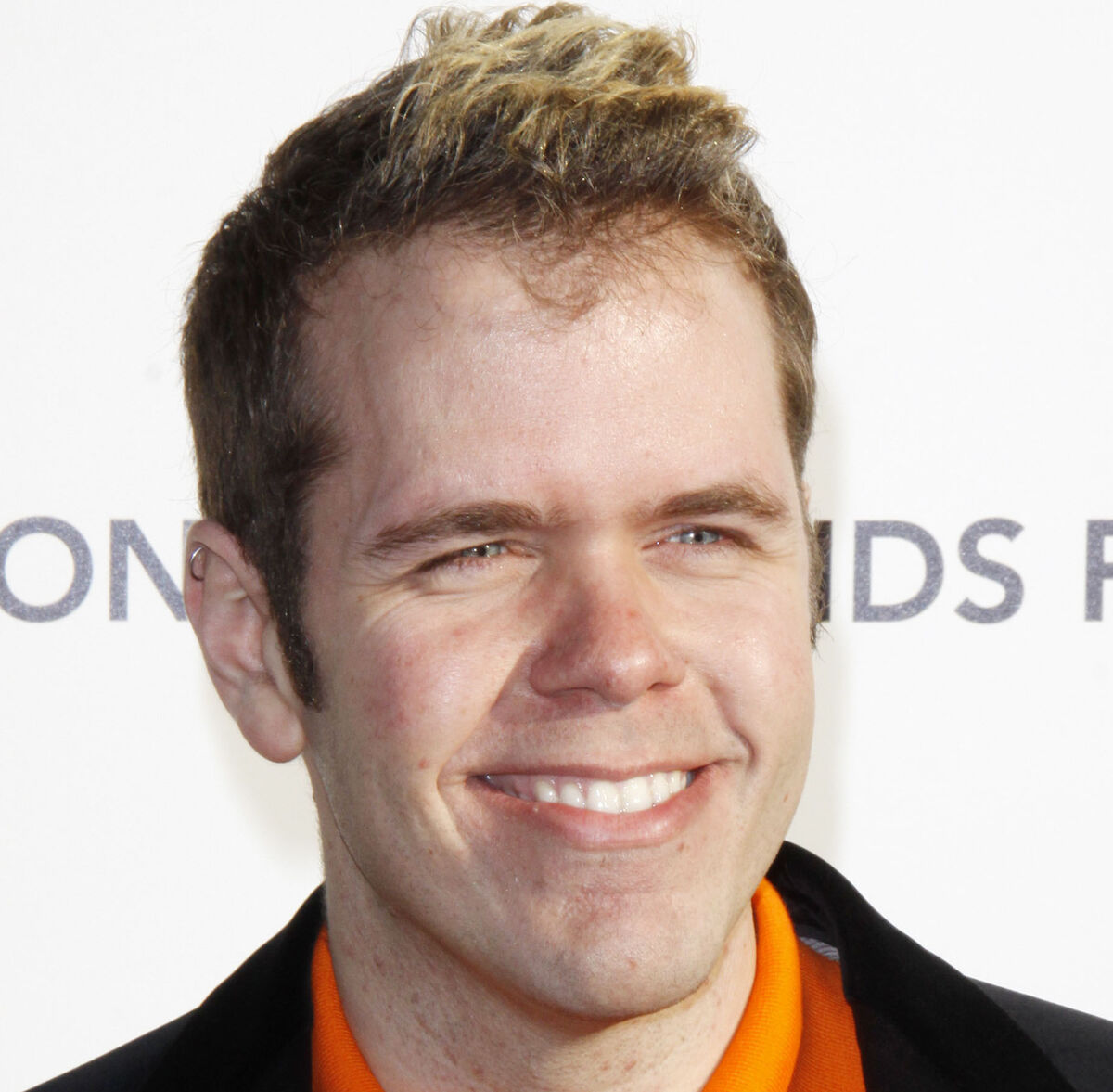
Perez Hilton's eponymous blog was THE thing to read in the 2000s. File picture: Ian West/PA
I was a teenager in 2007. The year Britney shaved her head, Anna Nicole Smith tragically died, Paris Hilton went to jail, Lindsay Lohan was going through it with legal troubles stemming from her addiction, Amy Winehouse was in the thick of her tumultuous marriage to Blake Fielder-Civil and the year the reported that Perez Hilton was spending 17 hours a day posting his blogs about these same instances.
For teenage girls at the time the internet was a wild frontier of MSN Messenger and customised MySpace profiles. Facebook was beginning to seep into the cultural consciousness; we were ranking our friends on Bebo, Instagram did not exist, and Chat Roulette was de rigueur at sleepovers.
Along with all that, there was of course, the inescapable gravitational pull of celebrity gossip. Like teen girls before us and those after, celebrity culture strongly shaped millennial women at a central time in our lives.
At the centre of it all, in the 2000s, was Perez Hilton’s eponymous blog. It was THE thing to read, to follow, and to check on the library computers at lunch because we did not have iPhones yet.
Born in Miami to Cuban parents with the name Mario Lavandeira Jr, Perez Hilton started his gossip blog in 2005 from a local Los Angeles coffee shop. By 2009, the blog was reportedly garnering as many as 14 million pageviews.
This week, watching the footage of him experiencing a severe, acute mental health crisis in public flooded my consciousness with difficult and conflicting emotions. For a reported 15 minutes (that seemed to feel like 30 according to some reports), he livestreamed a moment of violent self-harm on TikTok.
As videos of the incident circulated across social media, recorded and shared by bystanders, the internet (as it is predictably wont to do) erupted. It was lashings of familiar debates about the right to privacy in the era of the internet, dignity, how mental illness is messy, and the ethics of turning another person's suffering into a public spectacle.
As a person who internets just a touch too much the videos of people decrying the videos showcasing the self-harming incident made it to my personal feed at a pace athletes would call a personal best. The distance between concern and entertainment became impossible to discern.
I was lured in by video after video talking about a man’s crisis in the same way I was by his own blog posts about Britney’s mental health crisis in 2007. It was voyeuristic of me. It is dehumanising. But for those of us who grew up in the shadow of his influence, the reaction is far more complicated.
Hilton built a media empire on viciousness. He was among the most important figures of the 2000s tabloid internet, eagerly chronicling every bump in the road, relapse, and public unravelling of famous women. Britney Spears' mental health crisis became content. Lindsay Lohan's addiction became content. As did the late Amy Winehouse’s.
He created a blueprint for public humiliation that leaked directly into the secondary schools of Ireland and beyond. I vividly remember the girls in my classes who idolised his brand of toxicity, and wanting to be just like them.
They became his acolytes, adopting his cruel verbiage and weaponising it in the hallways and on online forums such as RateMyTeacher.com. If you did not fit the narrow, manufactured mould of perfection celebrated by the tabloid culture of the 2000s, you were a target.
As a neurodivergent red head with a weird name I was never going to slot into the mould, but that didn’t stop me from trying too hard. Nor did it stop my peers from noticing I was trying too hard and making it their playdough.
As actor Mila Kunis noted in 2018, he was the first person who created ugly news that literally just spread filth. Perez Hilton’s crude and ruthless content gave a whole generation of school bullies permission to be mean to girls like me.
They learned from him that tearing another person down, particularly a vulnerable peer, was an acceptable form of entertainment. His direct influence helped mould a generation's understanding of who deserved admiration and who deserved mockery.
Even as recently as 2020, he was permanently banned from TikTok for repeated community guideline violations by continuing the exact same pattern of targeting and provoking public figures. The same year he also disclosed his own struggles with depression.
Now it is difficult not to see his vindictive actions as unrelated to his mental health struggles. Seeing him now, vulnerable and in unimaginable pain, forces a difficult reckoning in women my age. It is incredibly hard to muster sympathy for the architect of your own adolescent misery.
When someone has spent their life building a culture of public cruelty, a dark, vindictive part of you feels a sense of karmic retribution. It makes you want to say that he is finally getting ‘a taste of his own medicine’.
You wonder if this is simply the consequence of the merciless world he helped create, a world where the camera is always pointed at a vulnerable person, and the audience consumes it, and comments on it in real time.
But celebrating or even feeling indifferent to his current suffering makes us no better than the bullies we at one time feared. The bully he once was.
The footage of his crisis is not content. Social media users and influencers are completely right to call out platforms for allowing such trauma to be broadcast.
On Wednesday, his family released a statement confirming he is receiving medical care and asked for privacy, the very thing he so rarely afforded others. The profundity of the irony of that request is unavoidable, but it must be respected.
True compassion is not reserved for the perfect or the innocent. It is the active, often painful choice to extend empathy to people even when they have been exceptionally cruel. To know that all people in pain should be met with kindness.
Mental illness is not ‘karma’ doled out by some vengeful deity. Public distress is never justice. No one's suffering should ever become a spectator sport, no matter their history.
Hilton helped build an internet where women’s struggles and pain was monetised and devoured. By choosing to grant him the basic human dignity he actively denied so many others, we may finally break the cycle.

CONNECT WITH US TODAY



Be the first to know the latest news and updates