'The maths doesn't add up': Scramble for appropriate school places resumes 
The Department of Education said that across the 2025/2026 and 2026/2027 school years alone, almost 1,000 new special classes and nine new special schools have been sanctioned
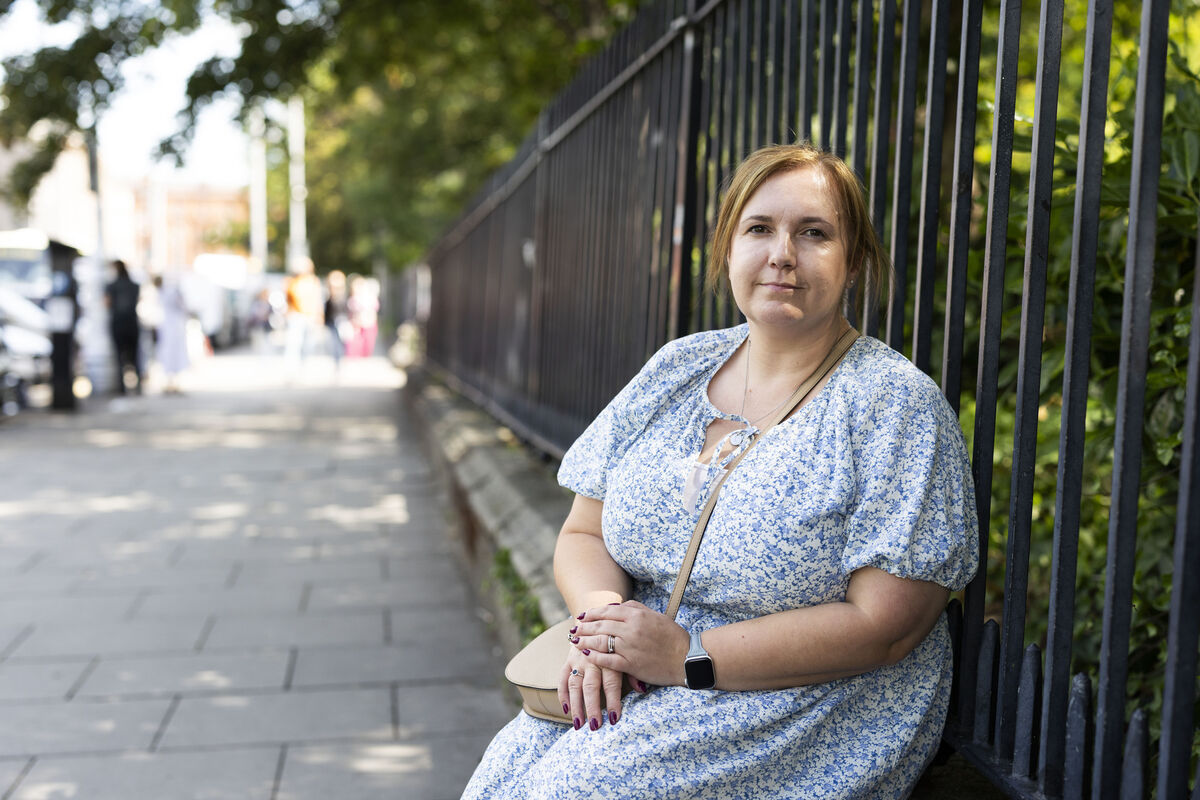
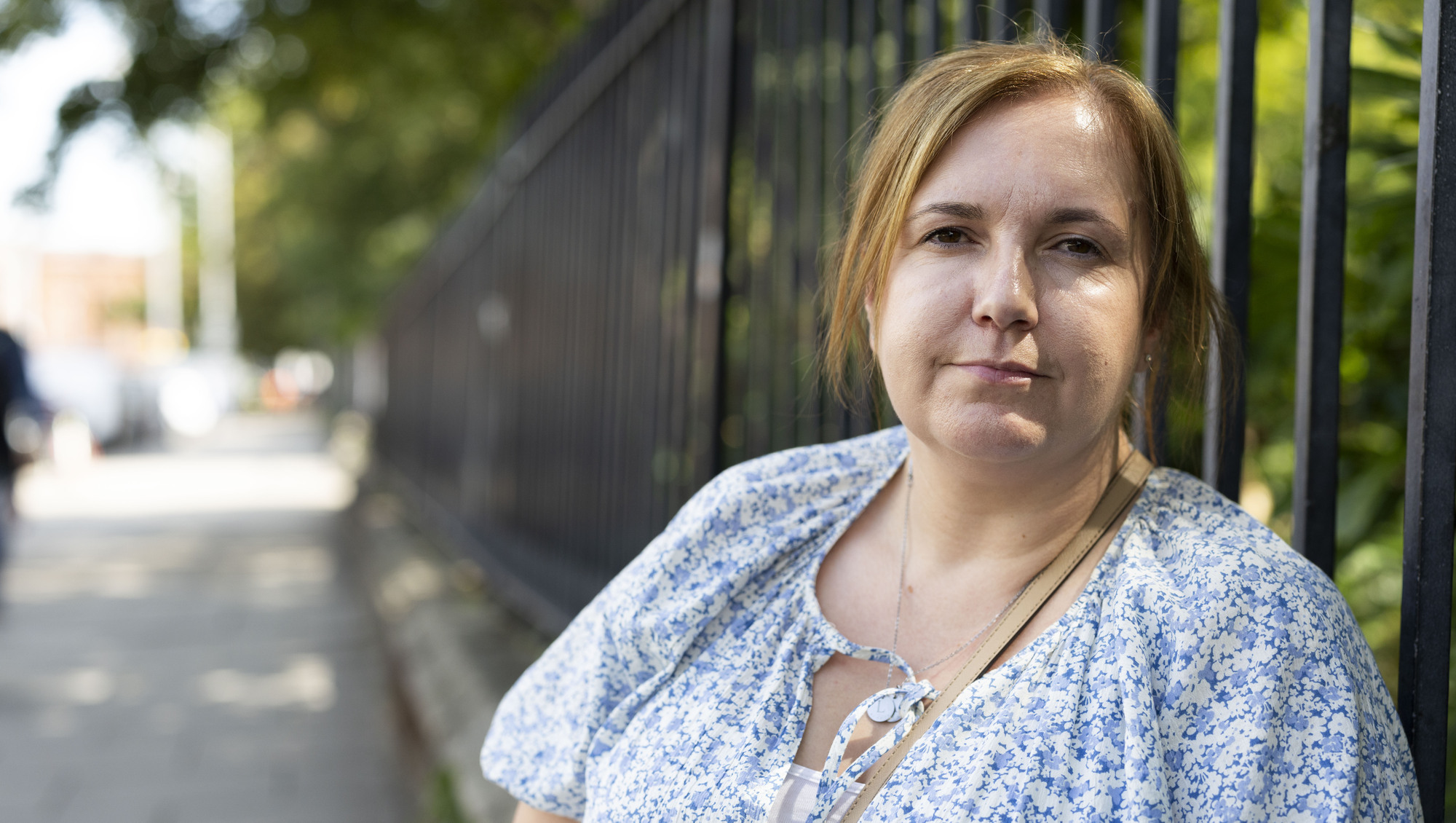
Parent and SNA Rachel Lowry, co-founder of Equality in Education Dublin, said there needs to be a longer-term plan for special education provision. File picture: Sam Boal/Collins

Parent and SNA Rachel Lowry, co-founder of Equality in Education Dublin, said there needs to be a longer-term plan for special education provision. File picture: Sam Boal/Collins

There’s a worrying sense of deja vu at news the education minister is facing another summer of legal challenges from families bidding to secure access to an education for their children.

In what has become an unfortunate annual inevitability, families of some of the most vulnerable students in the education system will be locked in legal challenges ahead of September.

While the fallout from decisions taken last year over access begins to play out in the courts, families, advocates, opposition spokespeople, and legal professionals are warning that the groundwork has already been laid for another fresh round of crisis.

To secure a school place for this September, parents were told they had until October 1, 2025, to submit relevant documentation to the National Council for Special Education (NCSE) to obtain a ‘letter of eligibility’ required to apply for a school place. This is currently being challenged in the courts, solicitor Niamh Maher told the Irish Examiner.

Parents Notify is for parents and guardians looking for a new special class or special school placement for their child for September 2027.  Last week, the department announced that the deadline for Parents Notify for 2027 would be brought forward, citing future planning and budget negotiations.

Therefore, to apply for a special educational placement for 2027, be it in a special school or special class, parents have until September 1, 2026 to notify the NCSE. They then have until September 15 to provide the relevant documents.

The announcement of the jump forward came last week, during the summer holidays while schools are closed.

Jen Cummins, the Social Democrats spokesperson on education, said she cannot understand why the announcement was not made before the end of the academic year.

“I’ve no doubt this will become a major issue in September and will have to be revisited by the Department of Education and the NCSE. The most frustrating thing is that this situation could easily have been avoided.”

Parent and SNA Rachel Lowry, co-founder of Equality in Education Dublin, said there needs to be a longer-term plan for special education provision. This year, new places have been announced in smaller batches than in 2025.

“60 here, or 40 there,” Ms Lowry said. In 2025, the majority of new special classes were announced before planned protest action by parents outside the Department of Education.

“I think there is still hope out there this year that people are going to get sorted. The maths doesn’t add up,” Ms Lowry said. 

And now they have re-opened the portal, it's going to be chaotic.

In April, education minister Hildegarde Naughton told the Dáil that 7,860 students “meet the requirements” for a special class or special school place for this September.

This was the number of students who had contacted the NCSE before the October 1 deadline.

More applications were received by the NCSE after this date, but it has never clarified how many. In an update to parents earlier this year, the NCSE described it as an ‘increasing’ number.

Approximately 75% of the 7,860 applications came from children already enrolled in school, leaving approximately 1,965 applications from students who had no school place. This is also just from the families who applied before the October 1 deadline.

When contacted for comment, the department did not provide an update on this figure but said it has secured “additional funding to allow sufficient specialist places across the country to be created to support those children that need them".

It added that across the 2025/2026 and 2026/2027 school years alone, almost 1,000 new special classes and nine new special schools have been sanctioned.

Rachel Lowry ,'I think there is still hope out there this year that people are going to get sorted. The maths doesn’t add up.' File picture: Sam Boal/Collins Photos

“Over 34,000 students will be enrolled in special classes and special schools this coming school year, which is an increase of 86% since 2020.”

'Special inclusive' classes 

Meanwhile, the Department of Education is also pressing ahead with plans to open new so-called ‘special inclusive’ classes, despite concerns raised by advocates.

It previously described this new type of provision as a “new approach” to supporting students with additional needs.

The new model, which initially the Department announced was to be rolled out in five schools, will now see close to 70 new classes being established this year, 44 of these at post-primary level. It also includes 19 in the Dublin area alone.

This new type of provision will be available in mainstream schools that already have a special class open.

Schools will be provided with extra resourcing but not extra space, and there will be an emphasis on integrating students into mainstream as much as possible, while accessing the pre-existing class as required.

Adam Harris, the chief executive of AsIAm, said the group remains concerned that the department is “moving at pace, in an unprecedented manner”, to roll out such classes without any consultation with Autistic children, families or their representative organisations.

He described this as a “flagrant breach” of the United Nations Convention on the Rights of Persons with Disabilities.

“All children are entitled to access an appropriate education that meets their needs, and it is the Department’s obligation to plan for, consult and deliver on this constitutional right.”

It is of concern that the new approach does not form part of a formal independent pilot or evaluation process and is being rolled out without any evidence base on effectiveness or dialogue with those it most affects, he added.

“We have put these points directly to both Minister Naughton and Minister (Michael) Moynihan and senior officials in the Department and will be closely monitoring the impact of this change on the educational experience and rights of autistic children from September.”

He added: “We are concerned this move forms party of a broader push within the education system to move away from rights-based approaches to access to autism classes and autism specific supports.”

  • Jess Casey is Education Correspondent.
x

More in this section

Revoiced

Newsletter

Had a busy week? Sign up for some of the best reads from the week gone by. Selected just for you.

Cookie Policy Privacy Policy Brand Safety FAQ Help Contact Us Terms and Conditions

© Examiner Echo Group Limited