Sex-for-rent laws won't help women who are already stuck
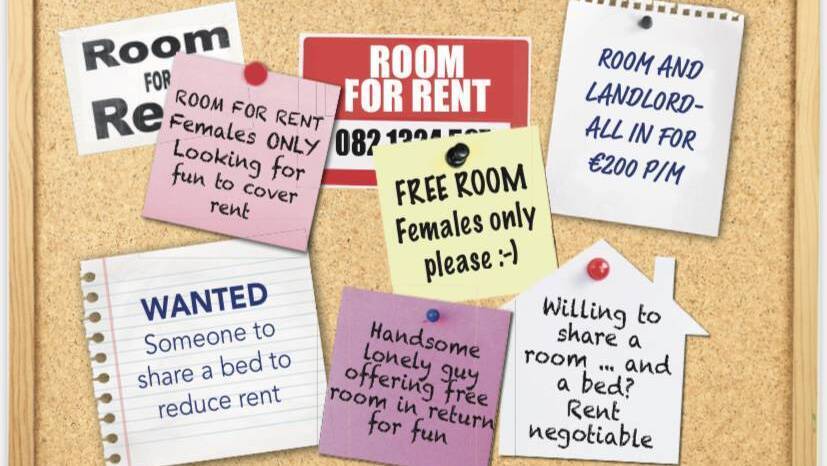
No woman should have to put up with the sexual harassment involved in a sex-for-rent proposal, and while some are able to walk away, they do not do so unscathed.
In a country deep in the grip of a housing crisis, lack of access to affordable rental accommodation leaves women on the margins extremely vulnerable to sex-for-rent exploitation.
Ruhama supports a number of women impacted by this situation. While we welcome the new Criminal Law and Civil Law (Miscellaneous Provisions) Act 2026 which will criminalise the advertising or offering of accommodation in exchange for sex, it will unfortunately do little to address the current reality of women who already live in these exploitative and profoundly damaging situations.
For such individuals reporting their landlord for sex-for-rent exploitation could likely render them homeless because there is nothing in the Act that offers protections for women living in these vulnerable and fear-fuelled circumstances. It is likely that the first consequence of reporting their situation to the Gardaí could be eviction.
Women who are unhoused, on very low incomes and without family and community support become more vulnerable to sexual exploitation when trying to secure a roof over their heads.
Read More
They are sometimes forced by necessity to give serious consideration to advances made by landlords that other people with a cushion of protection would not have to consider.
A woman’s response to this kind of sexual harassment, whether the offer is made in person, online or over the phone, is largely determined by their extreme circumstances of poverty and isolation.
Unfortunately, this legislation will do little to aid individuals who have made the choiceless choice available to them and who are living in a situation of ongoing sexual exploitation.
No woman should have to put up with the sexual harassment involved in a sex-for-rent proposal, and while some are able to walk away, they do not do so unscathed. They face anxiety and stress following the degrading and traumatic effect of a proposition that feeds on their vulnerability, especially when made in person.
This is particularly the case for individuals who have a past history of sexual violence or trauma, in which case unsolicited sexual ‘offers’ can be deeply retraumatising. This is where the new legislation will provide an invaluable support to women, because such ‘offers’ will become an offence under the new law.

Women looking for the most affordable accommodation — renting a room in a dwelling — are most likely to be targeted with these proposals. Renters in this tenure do not have access even to the relatively limited protections given to those with tenant status in Irish law.
Anyone can rent a room to another individual, including in many cases the existing legal tenants of a house or apartment. This kind of ‘sub-letting’ is invisible, almost completely unregulated and provided the rent paid in this arrangement is below a certain threshold the agreement is completely without any kind of oversight or implication.
There is a common misconception that exploitative sex-for-rent living arrangements can be dealt with under two existing pieces of legislation addressing rape and sex purchase. This is not the case; neither can be used to advance a prosecution in these circumstances.
The law on rape is not applicable because the exploited tenant has nominally consented to the living arrangement, though, in reality, for Ruhama service users the agreement is made in a desperate bid to avoid homelessness, or for those already homeless to get out of that situation and become housed.
The ‘arrangement’ to live in this way is anything but consensual in terms of the usual societal, shared definition of that word involving freely agreeing in mutuality and enthusiasm.
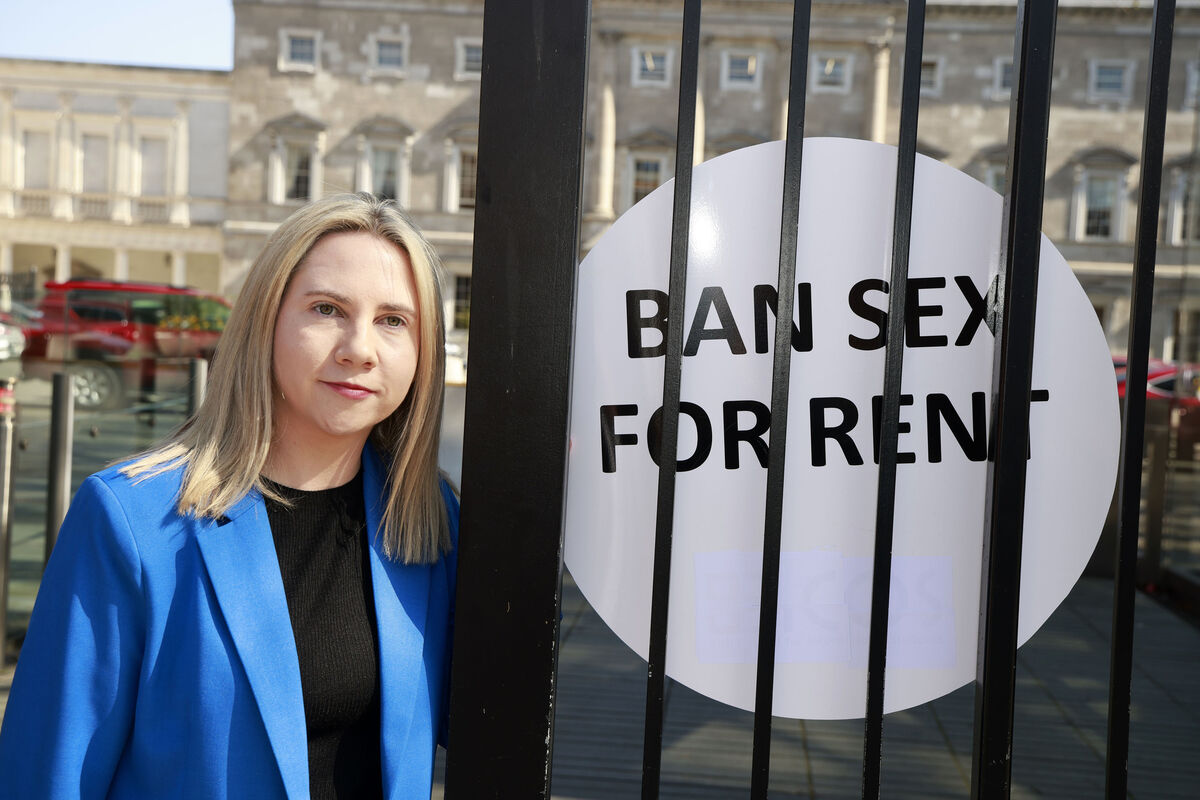
Nor does the law against sex purchase protect vulnerable women from sex-for-rent exploitation because no money changes hands, there is no overt ‘payment’ made for the sex purchase in this instance, and this is normally technically required to advance a prosecution under this law.
The other issue is that section 7A of the Criminal Justice Act, 1993 stipulates the offence as sexual activity with a ‘prostitute’, so prosecution and conviction would therefore require that vulnerable tenants be identified in this way. It is likely that many women living in this situation would prefer to avoid the stigma associated with being labelled in this way.
People in the sex trade globally are understood to be among the most vulnerable and marginalised in society, and Ireland is no exception.
The sex trade affects all women, both Irish and migrant women and their high-risk vulnerability is as a result of their circumstances: poverty, addiction, domestic and sexual violence, trauma, homeless, subsisting in low incomes or housed in overcrowded, unsuitable hostels or IPAS centres.
Sex-for-rent exploitation is another form of commercial sexual exploitation, the only difference here is that accommodation is the currency used by the sex buyer.

We know that finding rental housing is extremely challenging even for people on average incomes who have the support of a network of family and friends, and the social capital of familiarity with the Irish system.
But where rental costs far exceed the supports provided and with the current well-documented relative chill towards people of colour in the rental market it is no exaggeration to say that it can seem practically impossible for migrant women with language barriers on very low incomes and with poor knowledge of the market to put a roof over their heads.
Ruhama is a member of a civil society coalition that has advocated for the new legislation which does address a part of the problem (the advertising and offering). The fact that the legislation addresses these offers is to be highly commended.
However, it is not clear what will happen to in situ licensees should they make the difficult decision to report the offer of sex-for-rent made to them by their landlord. The new Act does not offer any protections to such tenants who over time may be subject to this kind of sexual harassment.
It seems likely that to report the situation to the authorities could result in making themselves homeless, generally the situation they were seeking to avoid by accepting the arrangements in the first place.
Ultimately, sex-for-rent exploitation is another dire consequence of the cost-of-living and housing crises, a complete remedy won’t be found for this issue until these are also addressed.

CONNECT WITH US TODAY



Be the first to know the latest news and updates