Can the EU solve Ireland's housing crisis?
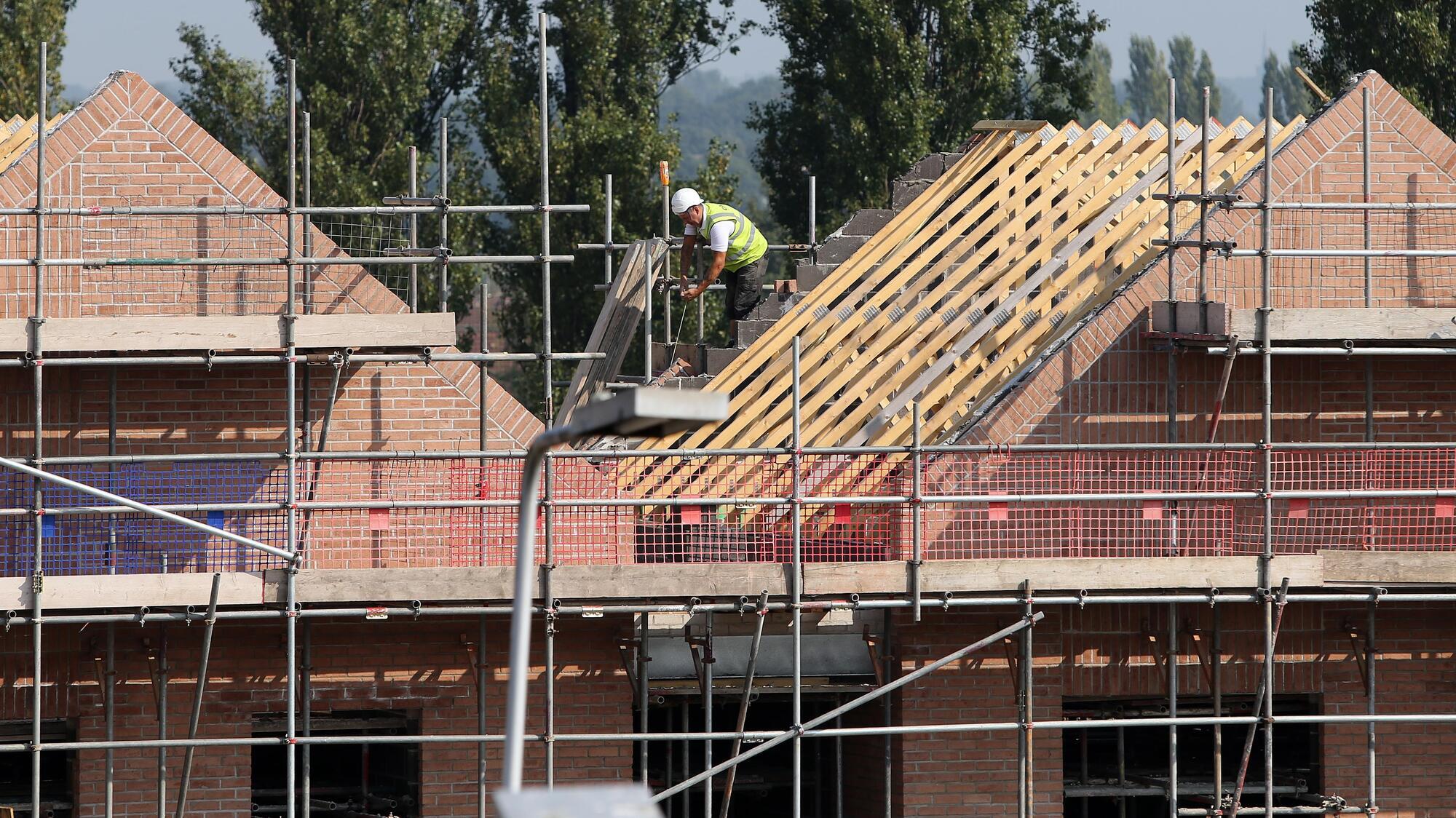
The EU itself won’t directly build any houses in Ireland, but it can potentially make the regulatory framework simpler and easier for local authorities and developers to throw up properties across the country. File picture
At the launch of Ireland’s EU presidency in Dublin Castle last week, António Costa said housing must be a “key focus” over the Government’s six months in charge.
The European Council president said access to affordable housing was one of the “greatest concerns” of the European public, pledging an EU housing summit during Ireland’s term.
“We must tackle this multi-layered crisis together, and your leadership will be crucial to making progress,” Mr Costa said.
Much of the public, however, will be unaware of the possible impacts the EU can have on delivering housing, with the bloc getting its first ever commissioner responsible for housing in 2024.
Last year, it published its first affordable housing plan, calling for major reforms to State aid rules and simplification to make it easier for houses to be built.
The EU itself won’t directly build any houses in Ireland, but it can potentially make the regulatory framework simpler and easier for local authorities and developers to throw up properties across the country.
With housing being a primary competence of member states, it will still be down to the Irish Government to deliver on the nitty gritty housing policies, like it has for years.
This means the Government cannot shift the blame onto Brussels when targets aren’t met, or when the number of adults and children in homelessness does not fall.
Some reforms have already begun, with the EU’s major changes to restrict short-term rentals put into place.
Labour’s Dublin MEP Aodhán Ó Riordáin, who helped negotiate the EU’s housing crisis report, says reforms to State aid rules would greatly assist local authorities to build more houses.
“The borrowing capacity of all the local authorities together, all 31 of them in Ireland, is €118m. That’s all they could borrow tomorrow.
“They are restricted by internal financial restrictions of the Irish Central Bank, who have restrictions put on them by European institutions."
Mr Ó Riordáin described State aid rules as “part of the problem”.
He said the rules would be loosened, given a borrowing capacity of €118m was “not going to affect anything in reality when it comes to housing”.
With the Government now starting to publish “league tables” for local authority housing completions, making it easier for councils to borrow seems like a straightforward answer.
The commission has argued there are significant stringent rules across the EU which aim to protect the environment, cultural heritage, alongside safety and quality of life, but are also restricting the supply of housing.
This has led to new plans for a housing simplification package, due to be unveiled in 2027, to try and cut down on the red tape preventing houses being built.
While in its early stages, with consultation with member states only beginning, concerns are likely to be raised in Ireland given the country’s history with poor-quality housing being built in the absence of proper regulation.
You only need look at the Celtic-Tiger era apartments or the defective concrete crisis, with both these remaining live political issues.
While Mr Costa has highlighted the need for housing to be a key pillar of Ireland’s EU presidency, it is unlikely that a sea change will be delivered in just six months.
CONNECT WITH US TODAY



Be the first to know the latest news and updates