Irish Examiner view: International speeches are only one measure of leadership
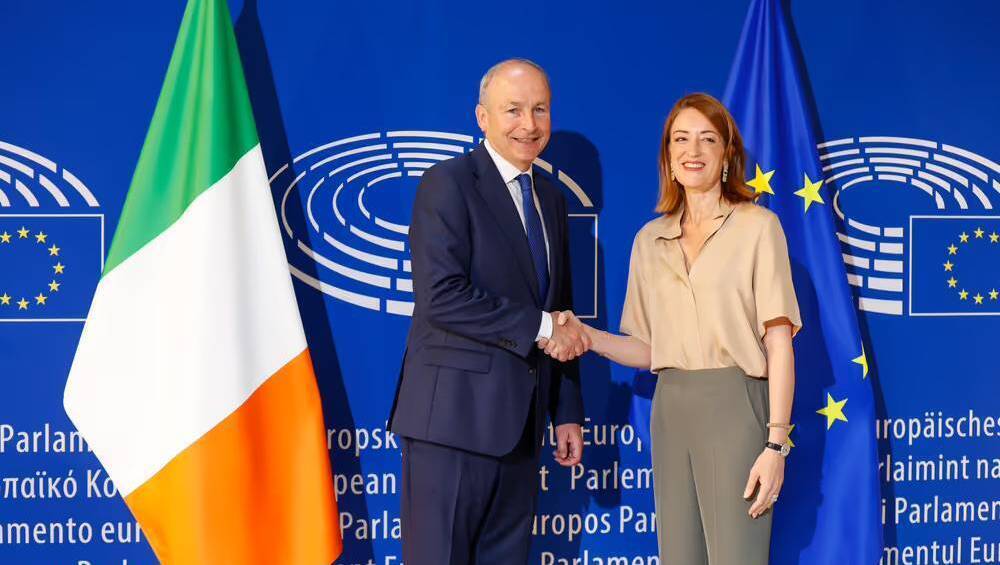
European Parliament president Roberta Metsola and Taoiseach Micheál Martin. Picture: European Parliament
Micheál Martin deserves credit for the clarity of his remarks before the European Parliament this week.
At a time when too many European leaders continue to temper their language on Gaza for fear of diplomatic repercussions, the Taoiseach challenged the EU to do more to confront what he described as the Israeli government’s “egregious actions”.
He argued that Europe’s values mean little if they are abandoned when they become politically inconvenient, and urged greater pressure on Israel.
It was one of his strongest interventions on the conflict to date.
Ireland has long prided itself on speaking plainly about international law, human rights, and the protection of civilians.
In Strasbourg, the Taoiseach projected precisely that image.
It is an image that resonates across Europe and reinforces Ireland’s reputation as a country prepared to take principled positions, even where larger member states hesitate.
Yet, international speeches are only one measure of leadership.
At home, many voters will reasonably ask why that same urgency has not translated into equally decisive action.
The Government’s handling of the Occupied Territories Bill has become increasingly difficult to reconcile with its rhetoric.
Having repeatedly committed to advancing legislation, ministers have instead narrowed its scope, excluding services despite longstanding calls for a more comprehensive measure.
The result has been months of legal argument, political delay, and growing public frustration.
The Government insists it is acting within constitutional and European legal constraints. That is a legitimate consideration. Legislation must be robust enough to withstand legal challenge.
But politics is also about conviction. When successive governments promise meaningful action only to produce a significantly diluted version, scepticism is inevitable.
None of this diminishes the significance of the Taoiseach’s remarks in Strasbourg.
If anything, they raise expectations. Words spoken on the European stage inevitably invite comparison with decisions taken in Dublin.
Ireland has earned international respect because it has often been willing to articulate uncomfortable truths.
That reputation should not be taken for granted. It is strengthened not only by eloquent speeches but by consistent policymaking.
The Taoiseach has an opportunity over the coming months to demonstrate that Ireland’s foreign policy is driven by principle rather than presentation.
If he believes Europe must do more to uphold international law, then his own Government must be seen to pursue those same standards with equal determination at home.
Leadership is rarely measured by a single speech, however well delivered. It is measured by whether words become policy.
The Taoiseach’s intervention this week was welcome.
The challenge now is to ensure it is remembered not as a powerful moment of rhetoric, but as the point at which Ireland’s actions finally matched its voice.
As Ireland settles into its presidency of the Council of the EU, public debate has understandably centred on the cost of hosting ministers, officials, and international events.
Every euro spent will be scrutinised, and rightly so.
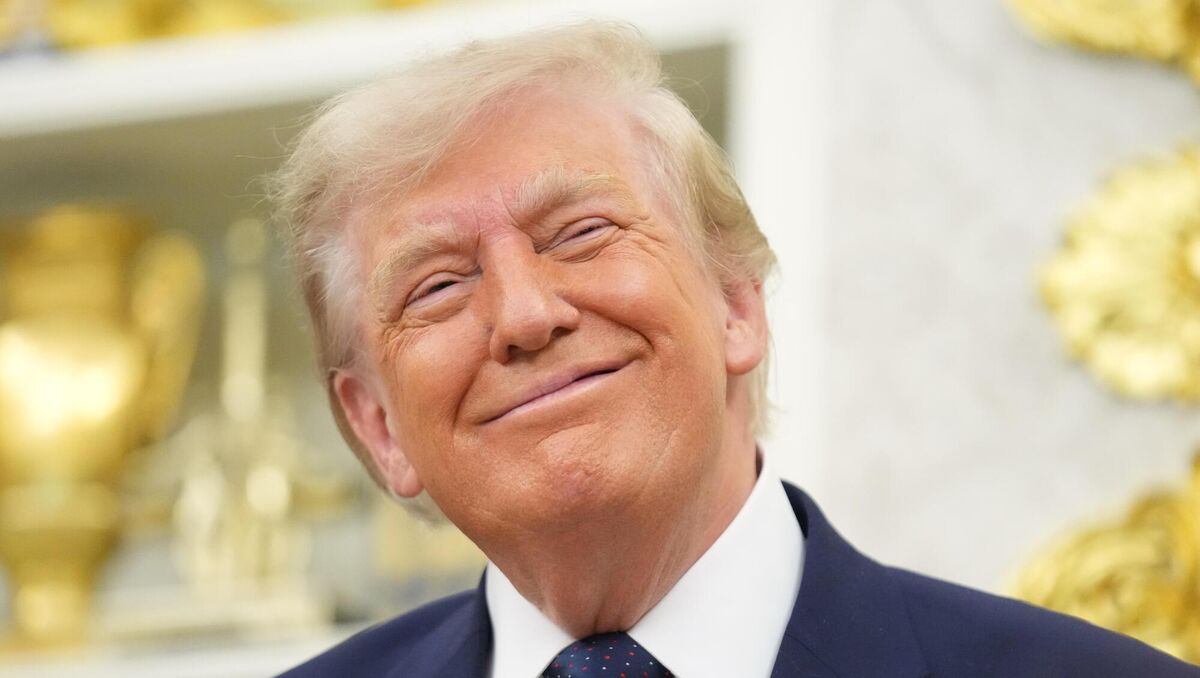
The same scrutiny should apply if Donald Trump arrives in Ireland this September.
Reports suggest the US president intends to visit his Doonbeg resort around the Irish Open, a trip that would inevitably require one of the largest security operations mounted by the State in recent years.
Ordinarily, such expenditure is accepted as the unavoidable price of hosting a head of state.
Trump, however, is no ordinary visitor.
Even by his own standards, recent weeks have been marked by renewed volatility: Reviving threats over Greenland, expanding military action against Iran, and drawing Fifa into controversy through political intervention in the World Cup’s disciplinary process.
Whether one supports or opposes his politics is almost beside the point.
Every unpredictable statement or intervention increases the complexity of protecting him and managing the diplomatic consequences that follow.
The irony is difficult to ignore. We are prepared to debate every cent spent hosting the EU, an institution that Ireland has benefited enormously from over five decades.
Yet comparatively little attention has been paid to the potentially enormous cost of securing a presidential visit centred largely on a private golf resort.
Ireland has obligations towards visiting leaders.
Security cannot become a political calculation.
But taxpayers are entitled to know what those obligations will cost, and whether such visits deliver anything approaching equivalent public value.
Transparency should not end at the perimeter fence.
There is a cruel tendency for disasters to disappear almost as quickly as they arrive.
The devastating earthquakes in Venezuela have already slipped from many international headlines — eclipsed by wars, elections, and political drama elsewhere.
Yet, for the survivors, the catastrophe is only beginning.
Families continue to search through rubble, thousands remain displaced, and entire communities face the long task of rebuilding lives as well as homes.
This week brought one extraordinary story of hope as a man was rescued alive after eight days beneath collapsed concrete.
His survival offered a rare moment of joy amid overwhelming grief.
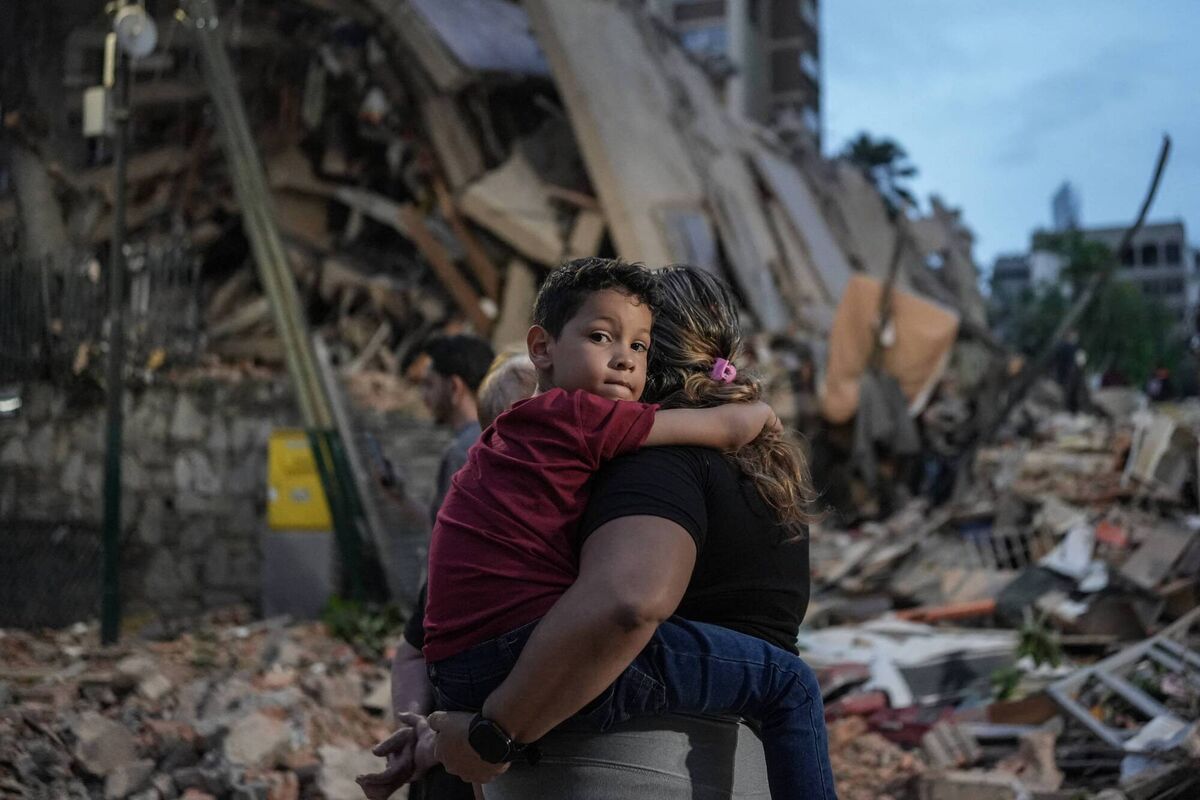
Humanitarian crises do not become less deserving because they are no longer leading the news bulletins.
As attention moves elsewhere, Venezuela’s people still need international assistance, solidarity, and compassion.
Some stories deserve to stay with us long after the cameras have gone.
Venezuela should be one of them.


CONNECT WITH US TODAY



Be the first to know the latest news and updates