The women who feed the world must no longer be invisible
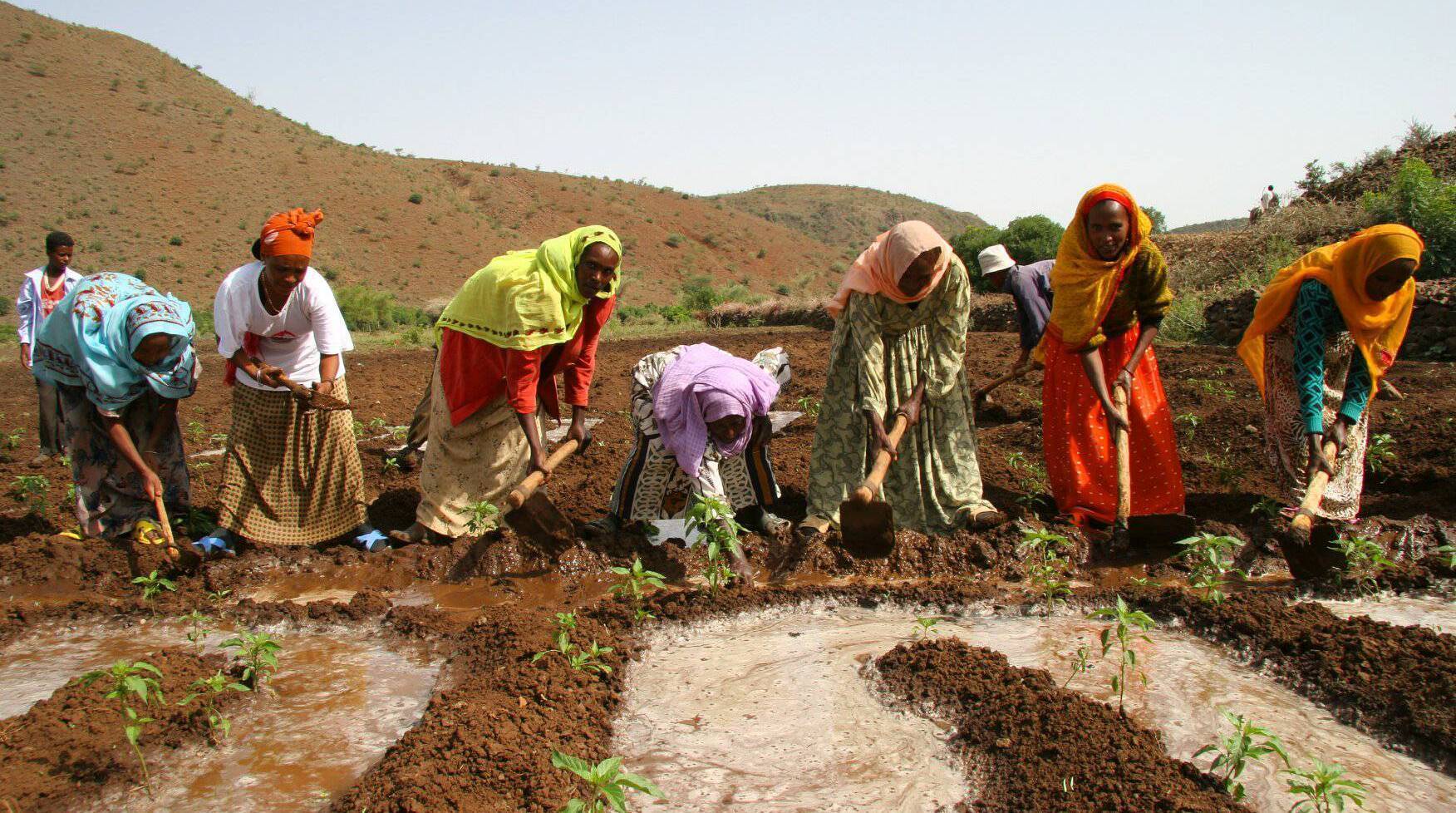
Women planting trees and crop in Ethiopia. Women are the backbone of food production. They grow crops, care for livestock, manage households and sustain communities.
I often wonder what captures our attention and what quietly slips from view and what we really choose to see. A celebrity controversy can dominate headlines for days. A social media argument can consume thousands of conversations.
Meanwhile, elsewhere in the world, a mother is walking miles for water. A farmer is watching the sky, hoping for rain that may never come. A child is going to bed hungry. This is not an argument against the stories that entertain us.
But it is worth asking what might change if even a small part of our collective attention turned towards those carrying some of the heaviest burdens on Earth. Because attention matters. It shapes priorities. And sometimes change begins when people simply decide to look.
A few weeks ago, I visited a primary school in the Midlands to speak about the work of Self Help Africa and the realities facing farming families across Africa.
The children listened carefully as we discussed drought, food insecurity, equality, climate change and resilience. Then the questions came.
"Why do women have to work so hard?"
"Why do girls miss school to fetch water and firewood?"
"Why do women do most of the farming but own so little land?"
And finally, "Why aren't they helped more?"
Children have a remarkable ability to ask the questions adults often stop asking.
Those questions have stayed with me. Perhaps because they go to the heart of one of the great injustices of our time.
Across much of Africa, women are the backbone of food production. They grow crops, care for livestock, manage households and sustain communities.
Yet many continue to face barriers to land ownership, finance, agricultural training, markets and decision-making.
The contradiction is stark. We depend on women to feed families and communities, yet too often deny them access to the resources that would allow them to thrive.
Women carry responsibilities that extend far beyond the farm gate. They collect water, gather firewood, prepare meals, care for children and support older family members.
They do this while confronting drought, economic hardship, conflict and the growing realities of climate change. And still they keep going. Not because they should have to carry so much, but because they often have no alternative.
For me, this is not simply an issue of international development. My wife and I both come from rural Ireland. We understand something of farming life such as the dependence on weather, the uncertainty of seasons and the resilience that rural communities require.
Our family was also transformed through the blessing of adopting our daughters, Mia and Sophie, from Ethiopia. Because of them, Ethiopia is no longer a place on a map. It is woven into our family story.
When I think about the challenges facing farming families there, I often think about women like Yeabsire. Before sunrise, she begins her day. There is water to collect, firewood to gather, animals to tend and crops to manage.
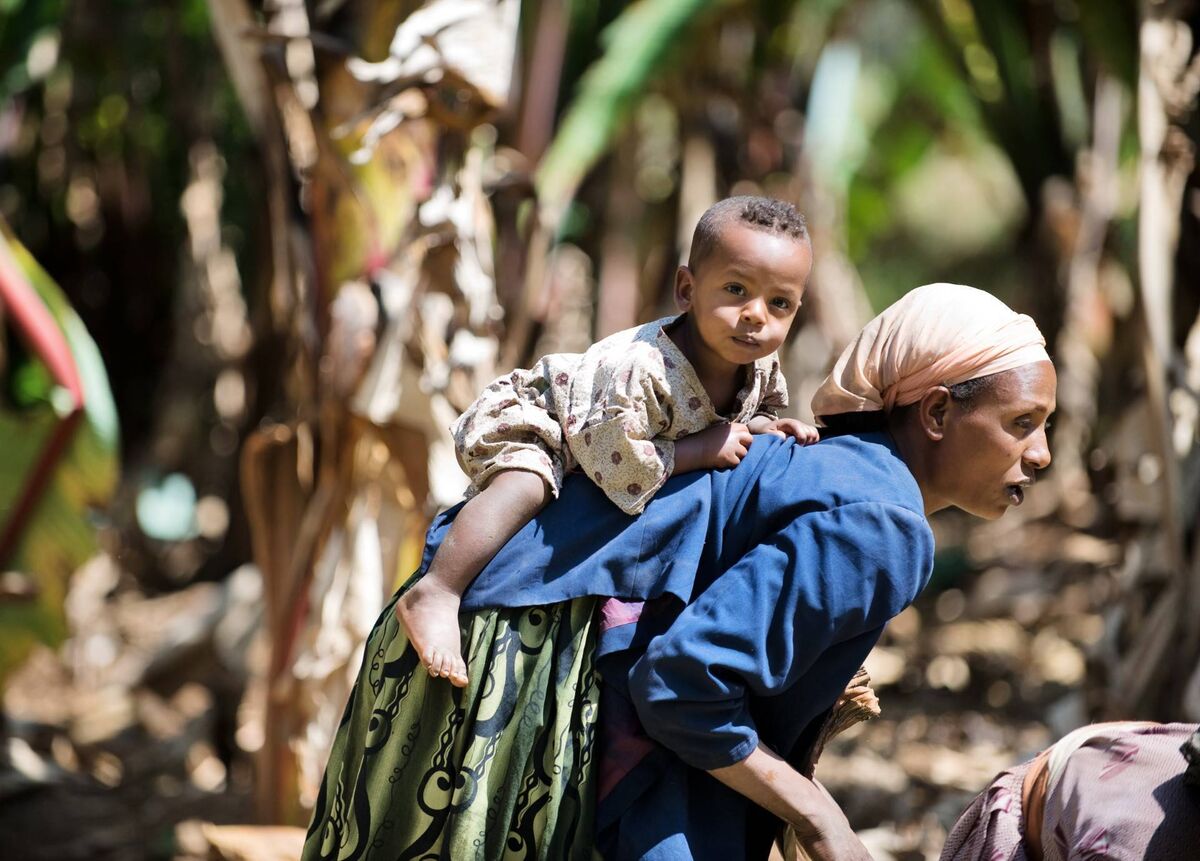
Her daughter is often strapped to her back as she works a small plot of land that depends entirely on uncertain rainfall. The questions she carries are the same questions parents carry everywhere.
Will there be enough food? Will my child have opportunities I never had? Will tomorrow be better than today? Yeabsire is not looking for sympathy. She is looking for opportunities.
Too often discussions about poverty focus on what people lack. What I have witnessed through my work with Self Help Africa is something very different. Across Africa and especially throughout sub-Saharan Africa, I have met women whose determination, ingenuity and resilience would inspire any of us.
I have seen women form savings groups beneath trees, establish businesses from almost nothing, strengthen co-operatives and support entire communities through drought, economic hardship and climate shocks.
For more than four decades, Self Help Africa has worked alongside farming families to tackle hunger, poverty and the growing impacts of climate change. The organisation helps communities improve harvests, access markets, build savings, strengthen livelihoods and create opportunities for lasting economic independence.
The focus is not dependency. The focus is dignity. Again and again, the lesson is the same. When women are given access to land, finance, training and opportunity, entire communities benefit.
Children are better nourished. Household incomes rise. Local economies strengthen. Future generations gain choices that previously did not exist. A loan becomes a business. A training programme becomes a successful harvest. A savings group becomes a lifeline. An opportunity given to one woman often transforms the future of an entire family.
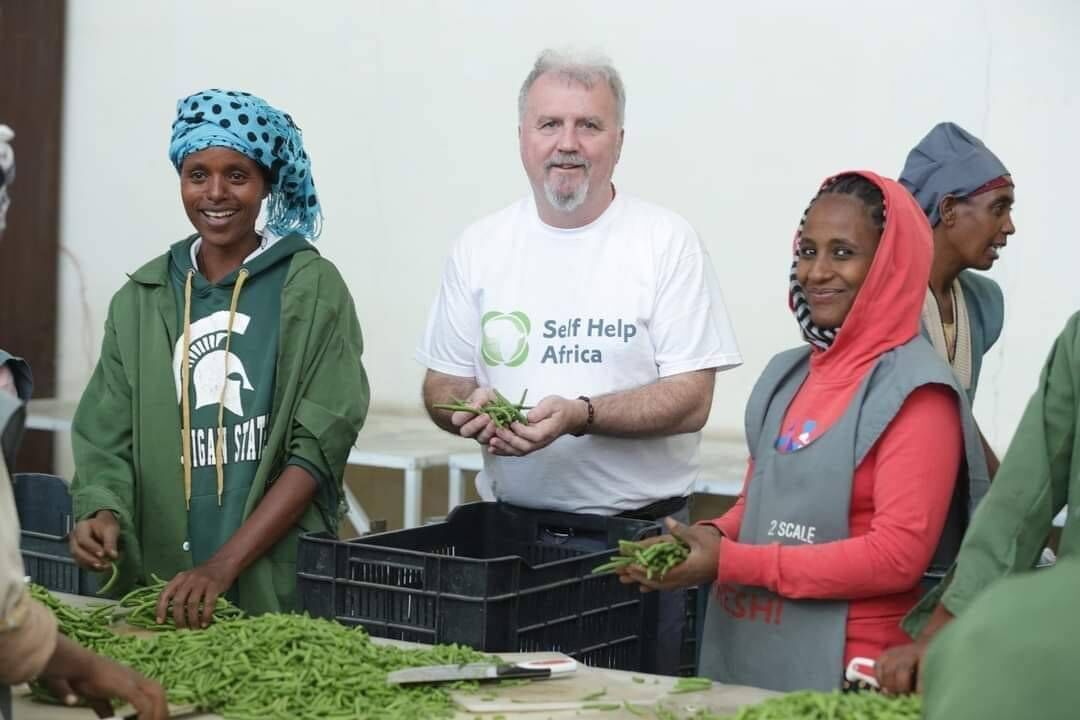
This is why the United Nations designation of 2026 as the International Year of the Woman Farmer matters. But only if it becomes more than a celebration.
Women farmers do not need another slogan. They need investment. They need equality of opportunity. They need access to resources that many of us take for granted. Most of all, they need visibility.
Self Help Africa's Women Farmers Growing Change campaign launched by minister for agriculture Martin Heydon recently reflects a simple but powerful truth, that investing in women farmers is one of the most effective ways to improve food security, strengthen livelihoods and create lasting change.
The campaign aims to support an additional one million women farmers across sub-Saharan Africa, helping ensure that more women have the tools, knowledge and opportunities they need to build secure futures for themselves and their families.
There is a reason these stories resonate with people in rural Ireland. Farmers understand uncertainty. They understand dependence on weather. They understand markets rising and falling. They understand resilience.
For decades, Irish people have stood in solidarity with farming communities across Africa through organisations such as Self Help Africa. Schools, churches, businesses, community groups and individual supporters across Ireland have chosen to look beyond their own horizons and stand alongside families facing immense challenges.
At a time when many families are facing pressures of their own, that generosity remains one of the finest expressions of Ireland's outward-looking spirit.
We are also fortunate that Ireland, through Irish Aid under the leadership of minister Neale Richmond and the Irish Government, continues to support programmes that strengthen resilience, improve livelihoods and create opportunities for vulnerable communities across the developing world.
These partnerships matter. They save lives. And they remind us that compassion is not weakness. It is one of humanity's greatest strengths.
One of the great contradictions of modern life is that humanity has never possessed greater wealth, technology or knowledge, yet millions of people still struggle with poverty and food insecurity. That reality should concern all of us. Not simply because it is unjust, but because it is unnecessary.
The barriers facing women farmers are not laws of nature. They are human-made obstacles. And what human beings create, human beings can change. Perhaps that is why those schoolchildren's questions remain so powerful. They cut through complexity.
Why do women have to work so hard? Why don't they get more help? The truth is that they should not have to carry so much alone. And perhaps the real question now belongs to the rest of us.
Will we continue to look away, or will we finally recognise the women who feed the world? Tonight, somewhere in Africa, a mother will finish another day in the fields and begin preparing for tomorrow. She will do so not because she is extraordinary, but because her children depend on her.
The least we can do is ensure that she is no longer invisible. Because supporting women farmers is not charity. It is justice. It is solidarity. It is hope. And justice begins by seeing one another clearly.
- Ronan Scully is a business development representative with Self Help Africa selfhelpafrica.org


CONNECT WITH US TODAY



Be the first to know the latest news and updates