Intense focus on Middle East means suffering in Sudan
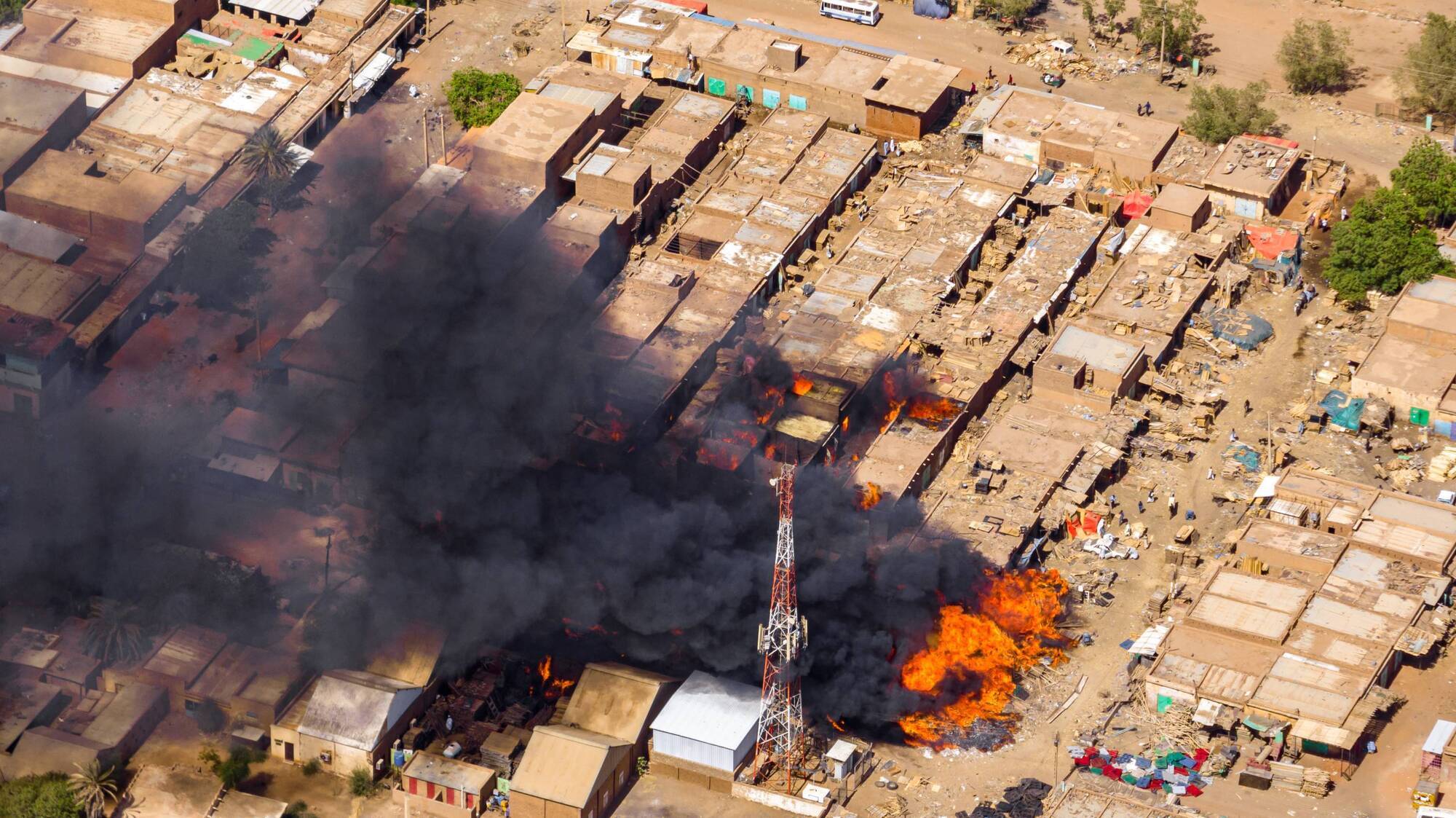
The Sunnah of flames in the market of the Al-Arab neighborhood in the city of Omdurman in June 2023. Photo: iStock
There are moments in history when the world’s attention gathers around a single crisis. We are living through such a moment now, as events in the Middle East unfold with a speed and severity that demand urgent engagement.
There is, however, a danger in this narrowing focus. While our eyes are fixed elsewhere, Sudan endures and rapidly deteriorates.
Read More
The war in Sudan reaches another tragic anniversary this month. It does so not with the force of global outrage that once accompanied similar atrocities in Darfur, but with an alarming silence. The suffering continues, but the attention has shifted.
The crisis in Sudan has not become any less grave. Today, after three years of conflict, almost 34 million people in Sudan are estimated to need humanitarian assistance.
To put that in context, that is roughly six times the population of Ireland. Imagine if every man, woman and child on this island, and many more besides, required urgent support simply to meet their basic needs.
What is less visible, but no less significant, is how deeply Sudan is exposed to events far beyond its borders.
The current instability in the Middle East, and the tensions surrounding vital routes such as the Strait of Hormuz, will not remain contained.
The knock-on effects are felt acutely through the global systems on which countries like Sudan depend.
When fuel costs rise, the consequences are immediate. Humanitarian operations rely on fuel to move supplies, to pump water, and to keep health services running. When those costs increase, the reach of that support diminishes.
Even prior to the conflict, Sudan imported a significant proportion of its staple foods. With the displacement of over 12 million people and widespread disruption to production and markets, that dependence has deepened.
They are simple equations, but stark ones: when the price of delivering aid rises, fewer people receive it. When systems begin to contract, people move; not only into neighbouring countries such as Chad and South Sudan, but increasingly further afield.
By the start of this year, an estimated 550,000 Sudanese refugees had arrived in Libya, more than double the figure a year earlier. That number only continues to rise.
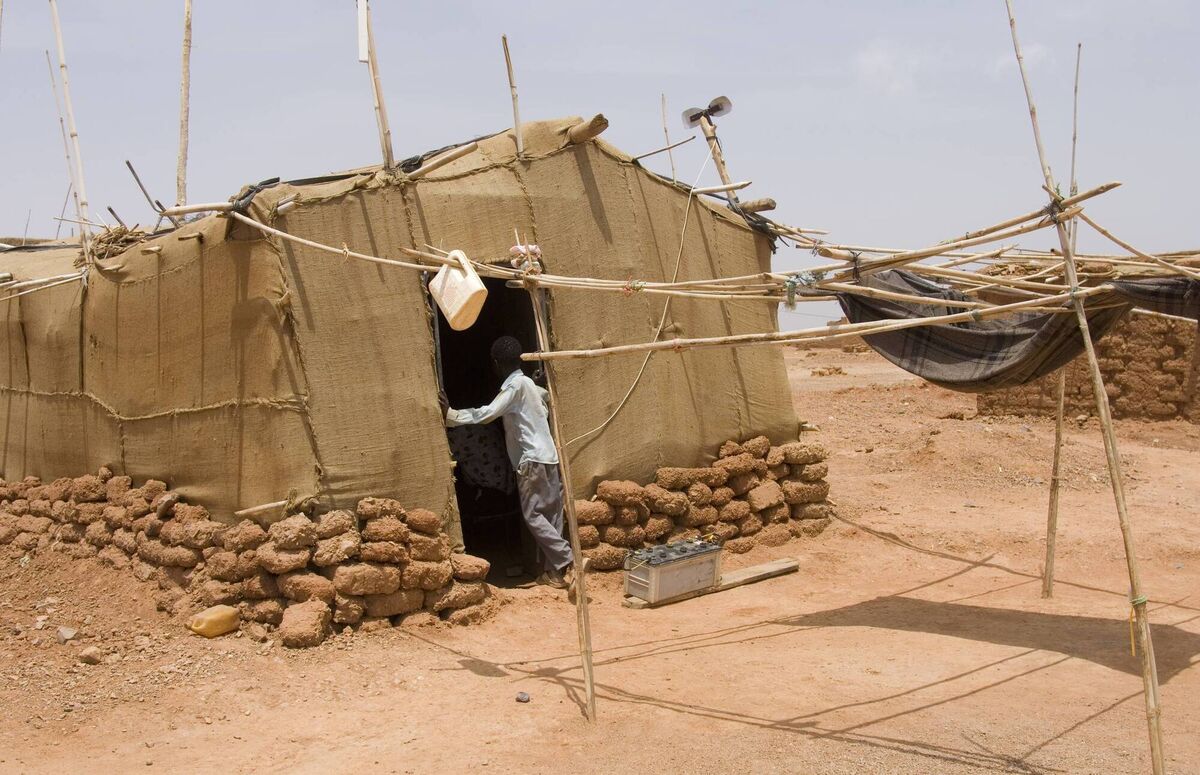
Libya is rarely an endpoint, as for many, it offers neither stability nor safety. Instead, it is a route north towards the Mediterranean and, increasingly, towards Europe.
Ireland has known, through its own history, the cost of being unseen; of suffering that unfolds without sufficient witness or response. That memory has shaped our commitment to humanitarian principles, to international law, and to the protection of civilians wherever they are at risk.
That commitment is now being tested. To remain engaged with Sudan is not to diminish the seriousness of other crises. It is to recognise that our concern cannot be finite. It must stretch to meet the realities before us, even when they are complex, even when they are distant from the immediate focus of global debate.
In Sudan today, communities are holding on with extraordinary resilience.
GOAL teams, working alongside Sudanese partners and local responders, are supporting mobile health and nutrition services for displaced families, trucking and rehabilitating water systems in areas where infrastructure has collapsed, and using community networks to identify and treat malnutrition before it becomes fatal.
In neighbouring South Sudan, we are receiving families crossing the border exhausted and with nothing, providing emergency healthcare, clean water, and protection support at the point of arrival.
These are practical, immediate interventions. They save lives, but they are also fragile, dependent on access, on funding, and on the global systems that make delivery possible.
There is a tendency to think of crises as separate; Gaza here, Sudan there, Ukraine somewhere else. But they are not. They are connected through the systems that move energy, food and money around the world.
When those systems come under strain, the most vulnerable places feel it first. Sudan is one of those places.
This is the moment it risks slipping further, not because the need has lessened, but because the world has turned its attention elsewhere, and because global shocks are making an already precarious response harder to sustain.
We should be clear about the consequences of this. It will not be measured in statements or headlines, but in the contraction of what can be delivered: fewer supplies, fewer services, fewer people reached.
For those already at the edge, that is where crisis becomes catastrophe.
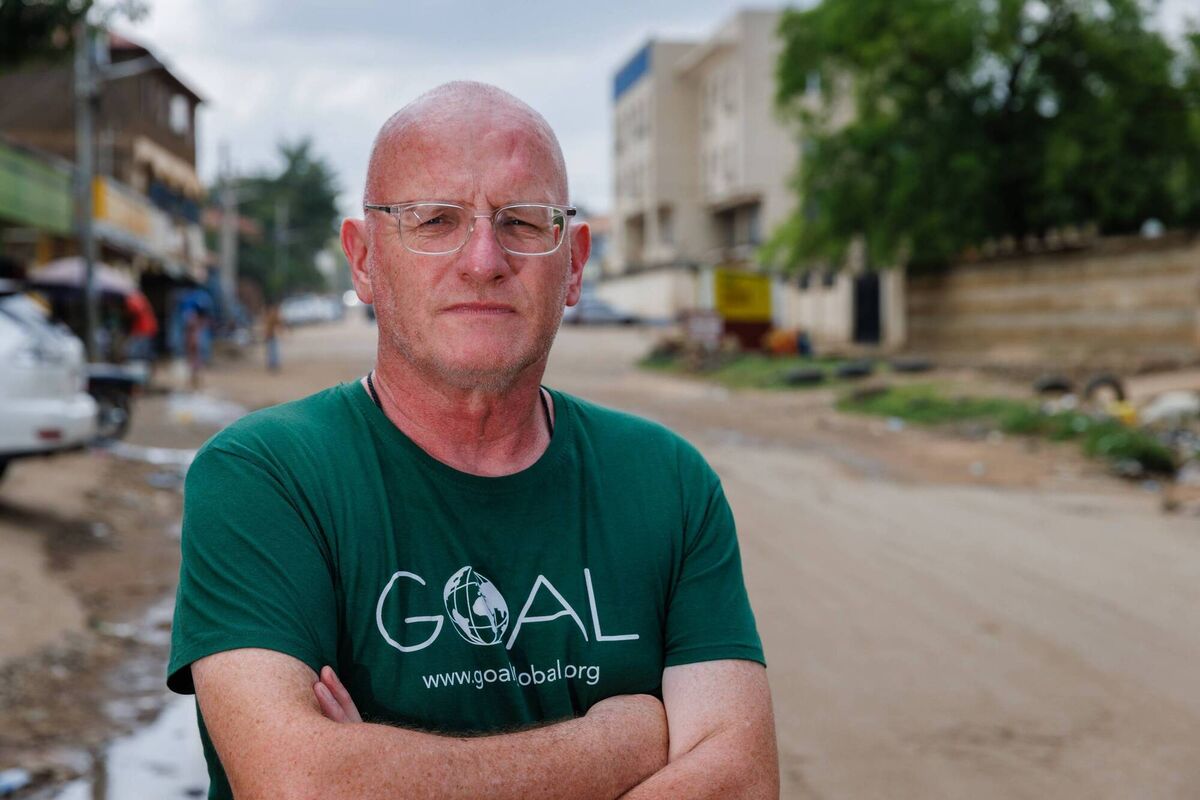
- John Rynne is regional director for Africa at GOAL, with over 30 years’ experience in humanitarian response, including more than 16 years on the ground in the Horn of Africa. He has served as country director in Rwanda, Tanzania, Zaire and Ethiopia, and now oversees GOAL’s programmes across Africa from Ireland.

CONNECT WITH US TODAY



Be the first to know the latest news and updates