Jillian Godsil: Aidan Turner or not — after Epstein and #MeToo I just can't stomach ‘Rivals’
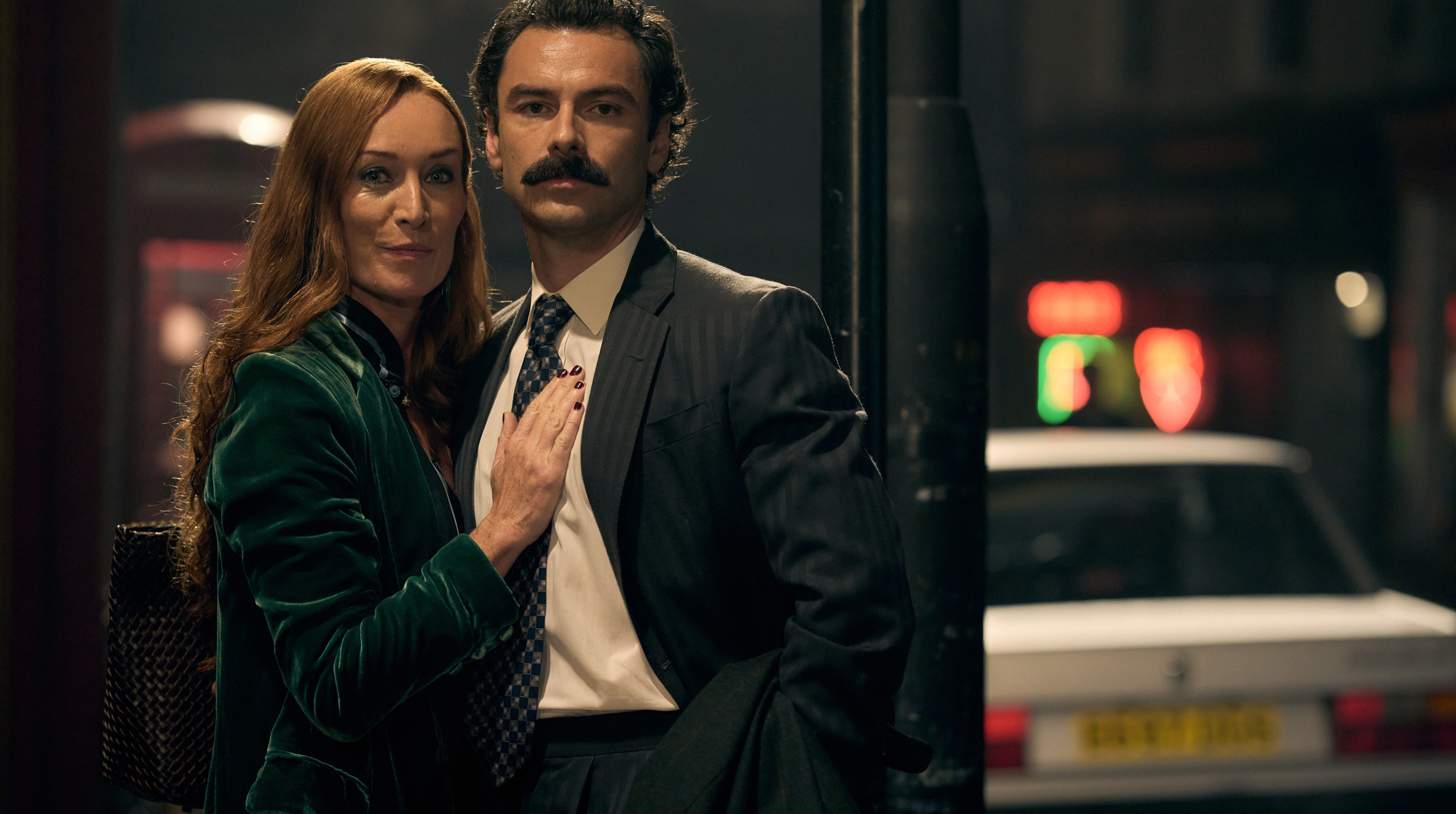
Irish actors Victoria Smurfit and Aidan Turner as husband and wife Maud and Declan in season two of ‘Rivals’. Jillian enjoyed Jilly Cooper's novels decades ago but, while aspects of the TV adaptation is entertaining, she says its portrayal of a power gap as romance is just ghastly.
Confession time: Many moons ago, as an avid reader, I was one of the late Jilly Cooper’s biggest fans. (1985), the first in her Rutshire Chronicles series of bonkbusters, was utterly unputdownable.
One summer, it travelled to Greece with a group of my university pals and, at any given moment, one member of the group would inevitably be holed up somewhere reading it. It was passed from friend to friend like contraband, and I remember it vividly to this day.
Read More
Billed by at the time as “Sex and horses: Who could ask for more?”, it created a new genre.
Wikipedia classes it as a foundation text of the bonkbuster genre and credits it with inspiring later classics including by Shirley Conran, by Jackie Collins, and by Judith Krantz. And yes, I read each and every one of those novels and loved them with a passion.
The same can be said of her follow-up novel, (1988), which included some of the same cast but shifted the focus from horses to the early years of regional television in Britain.
A bit like student politics, the smaller the stakes the bigger the tension as regards the actual business.
Really, though, it was still all about sex — who was sleeping with whom, who was being unfaithful to whom and, frankly, who cared? It was all breezy and consequence-free, built around the pursuit of beautiful women by feckless men. Or perhaps the other way around.
Some years ago, I interviewed Irish children’s author Sarah Webb. Naturally, the conversation centred on books, especially re-reading books and how our perspective might change over time as we age and have new life experiences.
I used the example of (1977) by Marilyn French, which I have read twice; once as a young woman in my 20s and again in my late 30s. It’s a classic feminist novel, centering on the idea of the perfect 1950s housewife and how false the notion was. (It should probably be required reading for anyone who thinks life as a tradwife would work for them).
It was close enough in time for me to remember the book clearly and far enough apart for my worldview to have changed completely.
Suffice it to say, my older reader appreciated the novel much more deeply. Perhaps it is time for another reading now as a woman in her third age. I might find something completely different in it.
So, while I have not re-read or indeed , I have watched the first couple of episodes of the television adaptation of 'Rivals'. I also listened to radio reviews and the response seemed universally glowing. Rotten Tomatoes praised it as a witty, raunchy, and delightfully campy 1980s period piece.
The Disney+ series has been celebrated for its lavish escapism and unapologetically hedonistic storylines. And who could fail to be delighted by a cast that includes a round-up of British and Irish stars including David Tennant, Danny Dyer, Aidan Turner, and Victoria Smurfit, among many others?
So why did I hate it so much? To be honest, I did not mind the cringeworthy storylines around the birth of commercial television, where viciously ambitious executives manufactured television personalities and devised increasingly gimmicky ways to capture audiences.
That was entertaining.
Nor did I particularly mind the dumbing down of journalism into the now-familiar clickbait format. It is a story after all, and with all the money, champagne, and high heels, how could anyone seriously take offence? It is mostly just escapist fun and nobody was harmed in the making of the series.
One subplot, however, grated deeply.
Promiscuous lead character Rupert Campbell-Black, former showjumper and now Tory MP, is apparently not satisfied with the legions of women his own age already throwing themselves at him.
Instead, he sets his sights on the innocent teenaged daughter of the main broadcaster. Reviews describe the wide-eyed, blushing Taggie O’Hara, the middle daughter of Declan, as initially resisting Campbell-Black’s womanising charms before their relationship eventually blossoms into a deep and tender romance.
No, no, no.
And the power gap between these two is enormous. After witnessing the fallout from the Epstein era and listening to the monochrome utterings of the Tate brothers, I cannot see this supposedly delightful interaction between a lascivious older man and an innocent young woman as anything other than deeply unpleasant.
I confess I did not make it beyond episode two, particularly after Campbell-Black casually shoved his hand up O’Hara’s skirt without consent and with neither apology nor consequence.
It was crude, yet treated by the surrounding characters as little more than a minor misdemeanour.
Now, I am neither a prude nor a killjoy. I have written and published erotica, which should excuse me from such labels. But I found it impossible to continue watching this storyline unfold.
The blurb assures viewers that it ends in romance rather than ruin, but still I cannot watch it. We have gone beyond it.
It reminded me of the Clinton/Lewinsky affair back in 1995. At the time, seen as an affair, potentially even a seduction of a red-blooded fallible man by a young vixen. We’ve all learned a lot since then about power dynamics and how they are abused by some men.
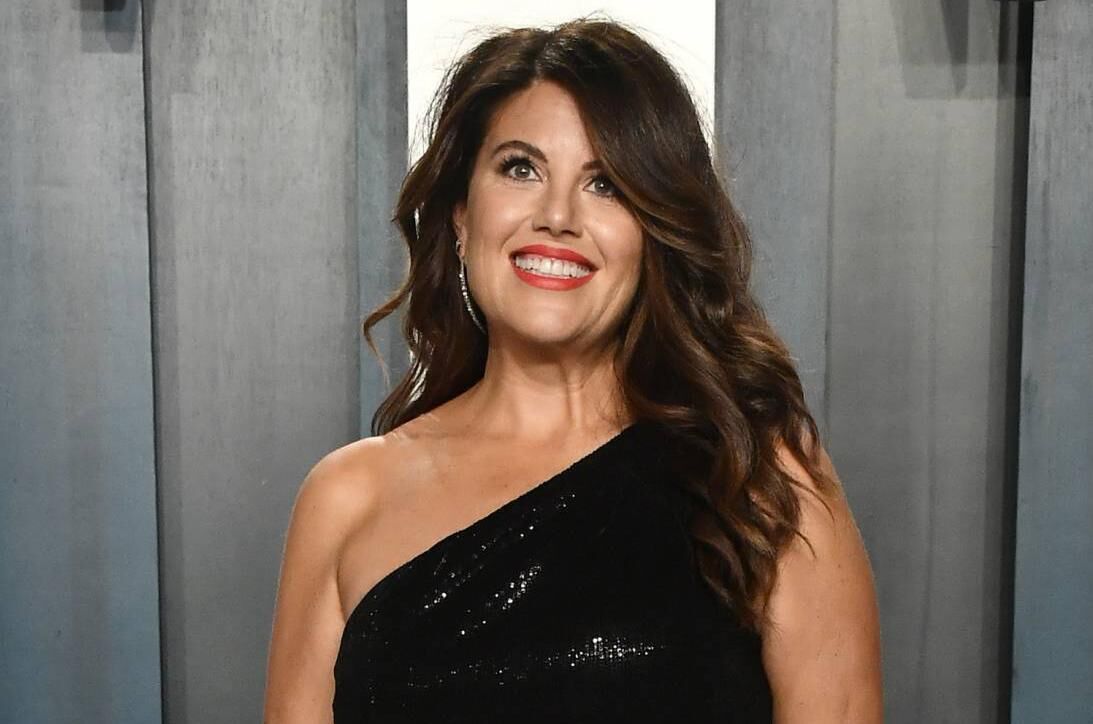
I once heard Monica Lewinsky speak at a conference where she addressed what she described as the “gross abuse of power” created by the significant age and status gap between a president and an intern.
The most powerful man in the world versus a star-struck teenager? It’s not hard to see where the power rested there.
For Lewinsky, who has in recent years become a public personality, it took two decades to claim her voice and her dignity in public life.
Looking back at my Greek holiday fun with friends, it’s clear that hasn’t changed at all; I have.
- Jillian Godsil is a writer and journalist

CONNECT WITH US TODAY



Be the first to know the latest news and updates