Gardaí to change approach to protests in wake of Whitegate fuel blockade
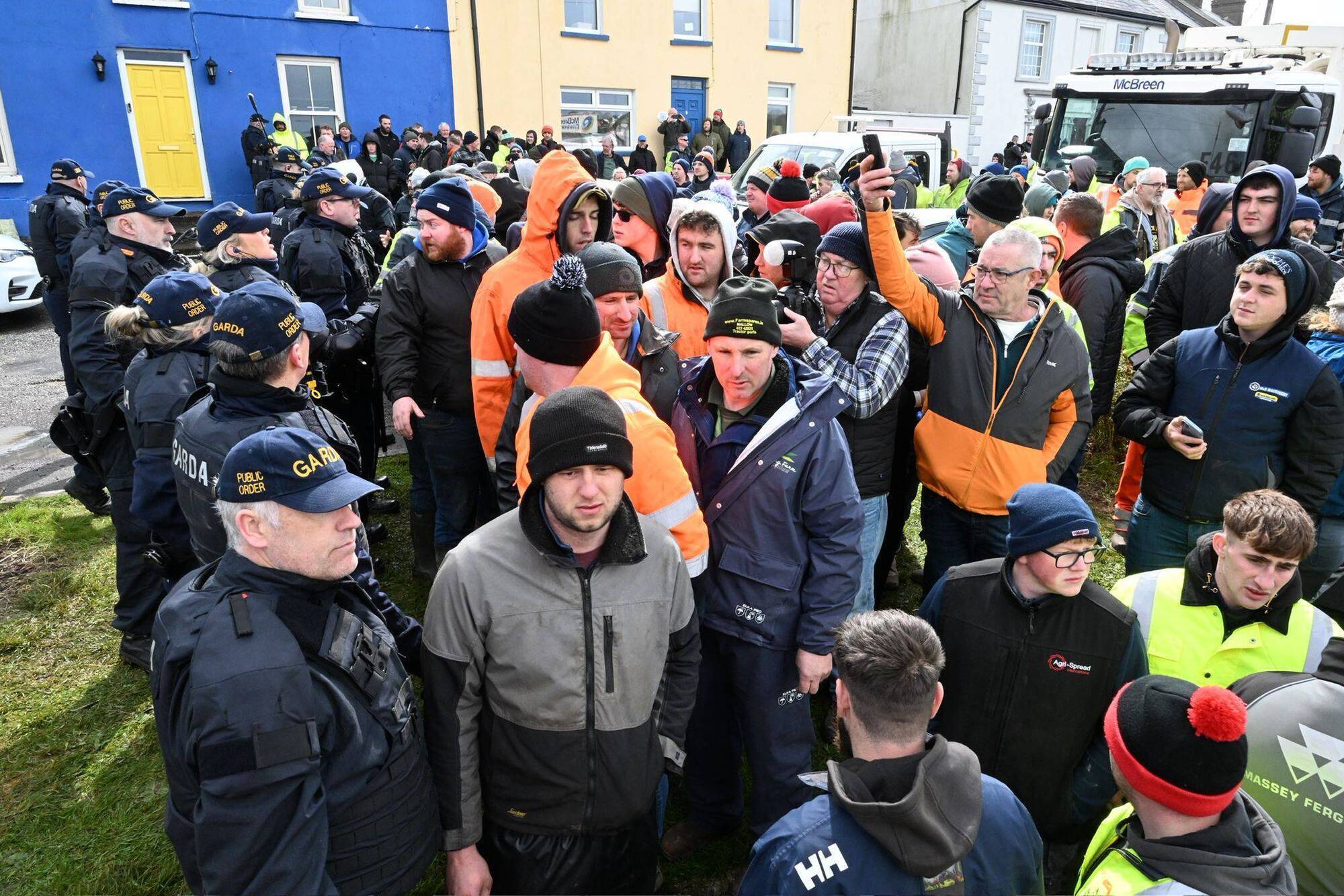
Tense scenes between gardaí and fuel price protesters at Cork's Whitegate oil refinery on Saturday, April 11. Picture: Larry Cummins
Gardaí would “certainly move more quickly” if a blockade of critical infrastructure — such as the Whitegate oil refinery during the fuel protests — were to happen again, Garda Commissioner Justin Kelly has said.
“I think we would see a far different approach if we had one this weekend,” Mr Kelly told the first ever-public meeting of the Policing and Community Safety Authority in Cork.
Mr Kelly defended the gardaí’s use of pepper spray at the Whitegate protests, saying that gardaí had to deploy it because protesters failed to heed gardaí’s warnings to move.
Read More
No one was injured in the protests, he said.
People from the far right “attempted to piggyback” on the fuel protests and exploit them, the garda commissioner said, adding this influence of far right agitators is a concern.
They were seen on social media and in person at the protests, he said.
“People from the far right attempted to piggy-back on the blockades and attach anti-immigration issues to them,” Mr Kelly told Thursday's meeting.
Another big concern was intimidation of fuel-truck drivers, members of the Defence Forces, and gardaí at the protests, he said.
An incident room has now been established in every Garda division to investigate complaints by gardaí of abuse.
Gardaí missed children’s birthdays and other important events, coming to work on their days off to police the protests, he said. Abusing them in the course of their work was “appalling”.
Mr Kelly said the policing of the fuel protests had been a success overall.
Deputy Commissioner Shawna Coxon said that were such protests to erupt again, gardaí may move more quickly to enforcement.
The Defence Forces were only ever requested for technical backup, said Mr Kelly, with no requests for troops on the ground.
A review of how the fuel protests were policed is taking place and lessons will be learned from it, he said.
So far, there have been 47 summonses and charges relating to the fuel protests, with 166 fines issued.
Body-worn cameras were successfully used during the Whitegate blockade, the PCSA meeting heard.
They proved a deterrent to potential abuse and an asset in public order policing.
Chief Superintendent of Cork County, Vincent O’Sullivan said that some gardaí policing the Whitegate protests had been seconded from Limerick, where body-worn cameras are being piloted.
They had a “night and day” positive effect, Mr O’Sullivan said, providing a transparent and accurate view of the blockade. It was the first time body-worn cameras were used in the Cork County Garda division.
Gardaí who wore them found that protesters who took out their own phones to record gardaí put those phones away when they saw the gardaí’s cameras.
The gardaí’s cameras also caused protesters to disperse, Mr O’Sullivan said.
He said the majority of protesters at Whitegate were “decent people... with good integrity and intentions”. But other people came to the protests with very different motivations. Body-worn cameras are now being procured for the entire force and will be rolled out on a phased basis, Mr Kelly said.
CONNECT WITH US TODAY



Be the first to know the latest news and updates