Fuel crisis shows Ireland cannot build a secure future on imported energy
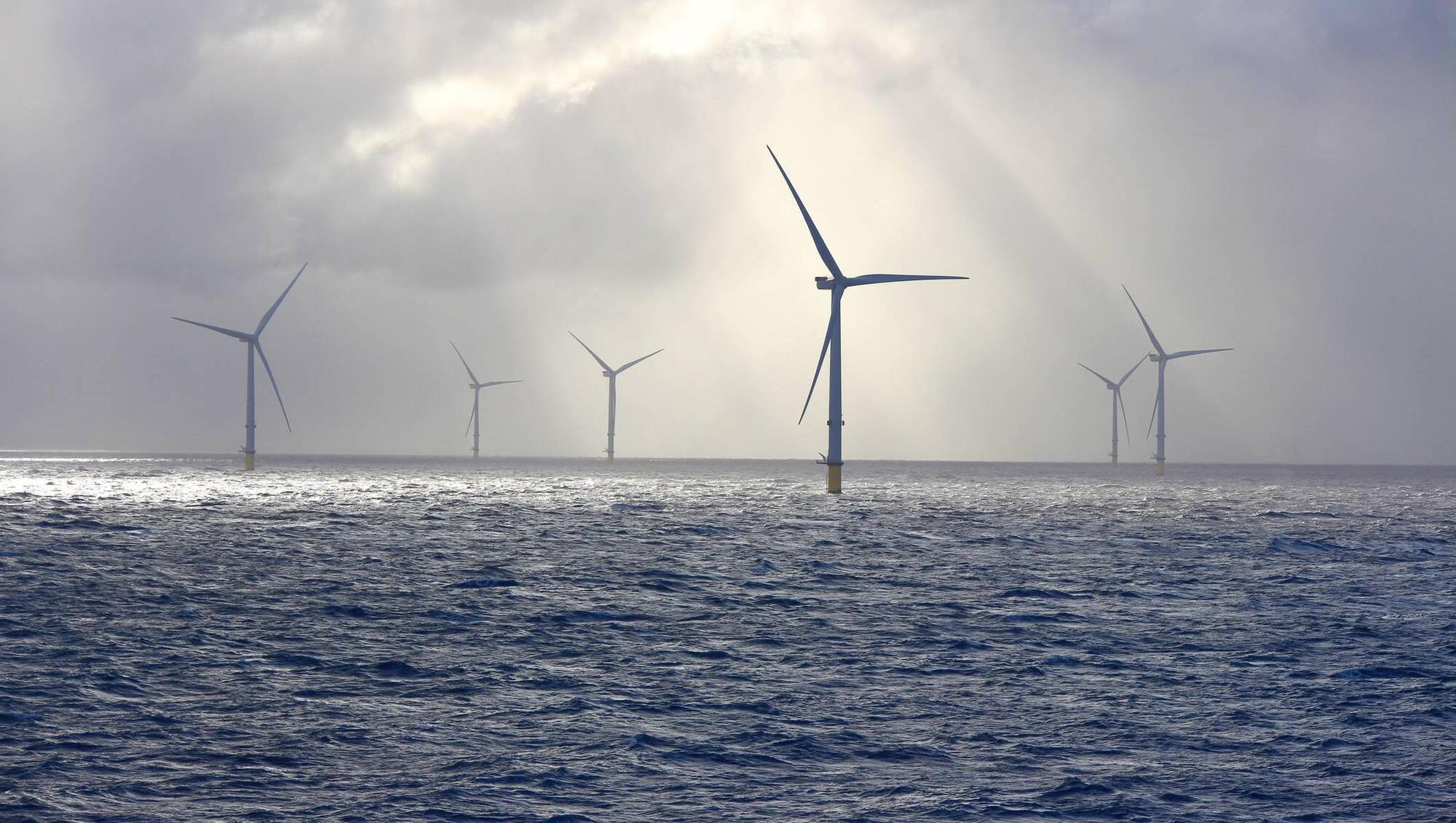
Offshore wind provides exactly the large-scale, predictable, domestic supply required for Ireland’s growth sectors. File picture
The latest fossil fuel crisis is Ireland’s wake-up call. It must act now and deliver on its abundant potential.
The old adage that ‘today’s newspapers become tomorrow’s fish and chip wrapper’ can be a comfort to readers, particularly if the news is grim. It was meant to convey the temporary nature of news and public attention, that important headlines or sensational news quickly become irrelevant, forgotten and disposable.
Recent headlines on energy costs were undoubtedly grim. "Irish electricity bills among Europe’s highest", read one, "Iran war triggers 19% wholesale electricity price jump", read another. Unfortunately for all of us, these headlines are anything but irrelevant or disposable.
Geopolitical tensions and the war in the Middle East have a disproportionate impact on Ireland’s energy prices and supply. This is because around 81% of Ireland’s energy still comes from fossil sources, leaving households, businesses and the wider economy vulnerable to shocks caused by events thousands of miles away.
Read More
This means energy security is no longer an abstract policy goal. It is an economic and national priority because it affects everyone from business bottom lines to the kitchen table.
What the latest fossil fuel crisis demonstrates is that Ireland needs to harness its own abundant renewable energy resources as quickly as possible and reduce its exposure to volatile global fossil fuel prices.
I started working in offshore wind in Scotland back in the early noughties. It was an exciting time, with Ireland also at the forefront of developing its renewable energy. In June 2004, the first phase of the Arklow Bank Wind Park, Ireland’s first offshore wind farm, was commissioned.
Friends who were working here in Ireland at the time described it as a trailblazing project whose 3.6MW wind turbines were then the largest in the world. It seemed like Ireland was drawing a line under a fossil fuel-dependent past and leading the way towards a bright new cleaner future.
Unfortunately, the spirit of adventure was short-lived. They were the first and only offshore wind turbines to be installed here. Worse still the original seven turbines are currently being decommissioned.
We don’t have to look too far to see what is achievable though. The UK, with similarly strong offshore wind resources and many of the same delivery challenges decided to double down on offshore.
In the last two decades the country underpinned the move with the necessary policy and regulatory infrastructure. Today they have installed capacity of over 16GW (enough to power over 15 million homes) and created a new industry that supports 40,000 jobs. We can have this too.
While there undoubtedly was a missed opportunity, Ireland still has time to transition to clean, homegrown energy at scale.
Offshore wind, in particular five Phase One projects will play a central role in that process. These projects, like Codling Wind Park, which is the largest, are not just climate infrastructure; they are critical national infrastructure. They will strengthen Ireland’s security of supply while supporting long-term economic growth and climate targets.
On its own, Codling Wind Park will generate enough clean electricity to power 1.2 million homes, that’s nearly half of all Irish homes — reducing our reliance on imported gas, helping to stabilise electricity prices and giving Ireland greater control over its energy future.

Energy security and economic competitiveness are now inseparable. Ireland’s growth sectors — from data infrastructure to advanced manufacturing — depend on access to reliable, affordable electricity.
Offshore wind provides exactly the large-scale, predictable, domestic supply required. It reduces exposure to volatile international markets while strengthening Ireland’s attractiveness for investment and innovation.
We are already seeing strong collaboration across Government through initiatives like the Offshore Wind Energy Clearing House. That momentum is critical. The next step is ensuring that delivery keeps pace with ambition.
This week over 16,000 delegates from all over Europe and beyond are participating in Wind Europe’s annual conference in Madrid. Speakers will include the Spanish PM Pedro Sánchez, the European Commissioner for Energy Dan Jorgensen, energy ministers from across Europe including our own minister Darragh O’Brien as well as thousands of industry leaders and stakeholders.
This type of collaboration is vital for European efforts to achieve energy independence.
Given the energy and cost-of-living crisis we are in, the focus in recent weeks has very much been on financial cost. But there are other costs which cannot be forgotten.
Remember those newspapers being used for wrapping the fish and chips? The practice was phased out and eventually outlawed in the 1980’s due to health concerns about lead and petrol in the printing ink leaching into the hot food.
That’s an apt reminder of the damage which fossil fuels cause to the environment and our health.
Ireland cannot afford to remain exposed to fossil fuel shocks when we have abundant renewable resources on our doorstep. Energy independence is within reach, but only if we move decisively.
Now is the time to deliver Phase One offshore wind and secure Ireland’s energy future.
- Scott Sutherland is project director of Codling Wind Park

CONNECT WITH US TODAY



Be the first to know the latest news and updates