Contraception is free, but it's not reaching everyone who needs it
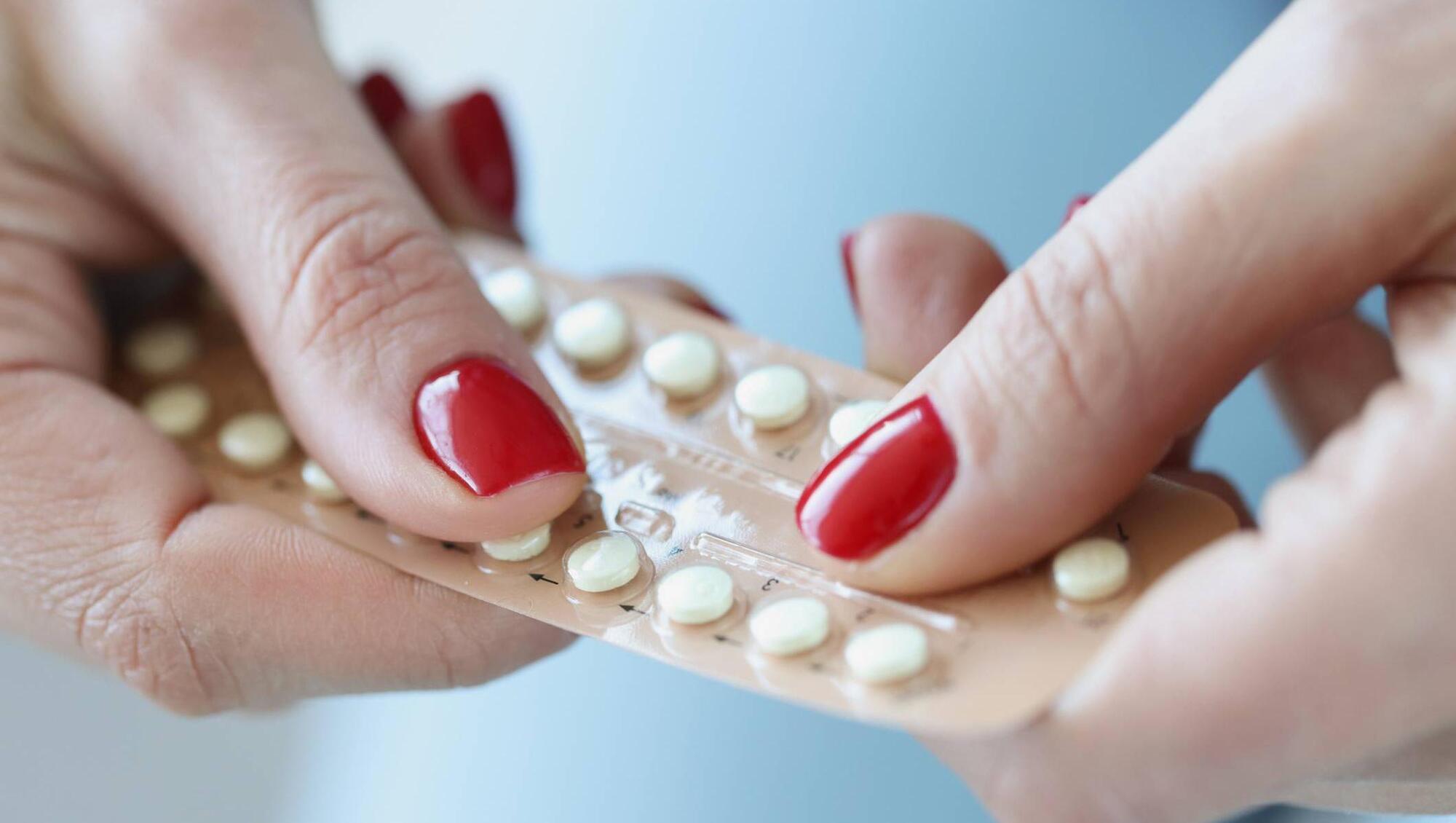
New research shows 31% of women experience barriers in accessing the free contraception scheme.
The free contraception scheme, introduced in 2022, has been one of the key advancements for women’s health in recent years, reaching more than 200,000 women. Ground-breaking in its aims, the scheme intends to make contraception free to every woman who needs it between the ages of 17 and 35.
It was first mooted during the campaign to repeal the 8th amendment, a much-needed companion piece to enabling women to make their own decisions about reproduction. And as many women know, contraception is used for much more than preventing pregnancy — from alleviating painful periods, to regulating hormones during menopause.
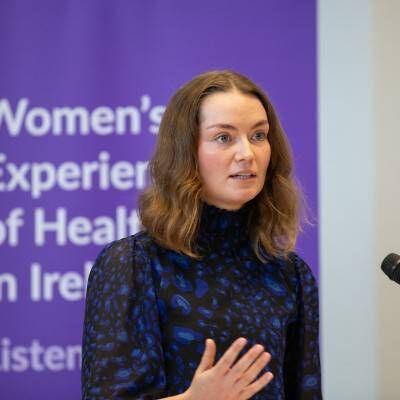
However, new research shows 31% of women experience barriers in accessing the free contraception scheme. The research is a joint project between the National Women’s Council and Trinity College Dublin and it was funded by the Department of Health. It aimed to find out if, for some groups, there were additional barriers to accessing contraception even since it became free.
Of the 500 women surveyed, the age limitation was most often cited as a barrier. We know women are fertile well into their 40s, and over this age women are routinely prescribed hormonal contraception to treat symptoms of perimenopause and menopause.
Women over 35 are also more likely to use long-acting contraceptives such as the coil, which require a significant financial outlay at the start. Women of this age urgently need access to the scheme.
The survey respondents also cited access to a GP as significant barrier to accessing the scheme, something which is a heightened problem for migrant and rural women. Some women had been previously charged for a GP consultation on contraception or believed there was a charge for the scheme. There is not. It is worth mentioning access to a GP is a critical barrier to accessing healthcare across the board.
Along with the survey, the research included focus groups with disabled women, migrant women, Traveller women and LGBT+ people. The research found awareness levels of the free contraception scheme were lowest among migrant women, indicating not all migrant women who want contraception may be accessing it.
Access to a GP was also a significant obstacle for this group. Migrant women, Traveller women, and disabled women expressed discomfort at discussing contraception with male GPs.
Disabled women highlighted information was not always available in accessible formats for them, or that services were not fully accessible. Some Traveller women were reluctant to access the scheme due to previous experiences of discrimination in the health system. This group also spoke about the dynamics of coercive control and cultural barriers to using contraception.
Intrusive questioning from medical professionals was a roadblock for LGBT+ people. For disabled women, past medical traumas around their impairments acted as a barrier. For migrant women, traumatic experiences of female genital mutilation made accessing the scheme an issue and also meant some forms of contraception were completely unsuitable.
For LGBT+ people, previous experiences with gender dysphoria "treatments" can cause a rupture in trust which may in turn impact access to the free contraception scheme.
So how can access to the scheme be improved? Women who participated in the study most often suggested removing the age limit. Traveller women wanted to see age and culturally appropriate information about contraception in schools.
They also discussed the needs of women experiencing gender-based violence in their community, suggesting healthcare professionals could take a more holistic approach to Traveller women using their services.
Migrant women need more widely available multi-lingual information, along with better access to GP services. LGBT+ and disabled participants wanted better understanding of the distinct medical and social dimensions to their healthcare.
LGBT+ participants also wanted gender-affirming language. In general, more training and sensitivity is needed for the healthcare professionals who work with both these groups as they access healthcare.
Three key recommendations to Government emerge from the report. Firstly, the scheme must be expanded to include everyone who needs contraception. That includes women outside the age limit, as well as women who cannot access it because of their migration status.
Secondly, information must be made widely available in multiple languages and formats, with migrant and disabled women particularly in mind.
Lastly, the Department of Health must roll out gender-sensitivity training which includes anti-racism, anti-bias, LGBT+ inclusion, and cultural competency elements for GPs, nurses, pharmacists and other relevant healthcare professionals.
The free contraception scheme is a game-changer for women’s health. Let’s make sure it reaches everyone who needs it.
- Doireann Crosson is the National Women's Council’s head of policy


CONNECT WITH US TODAY



Be the first to know the latest news and updates