One in three hip and knee replacement patients had obesity, audit finds
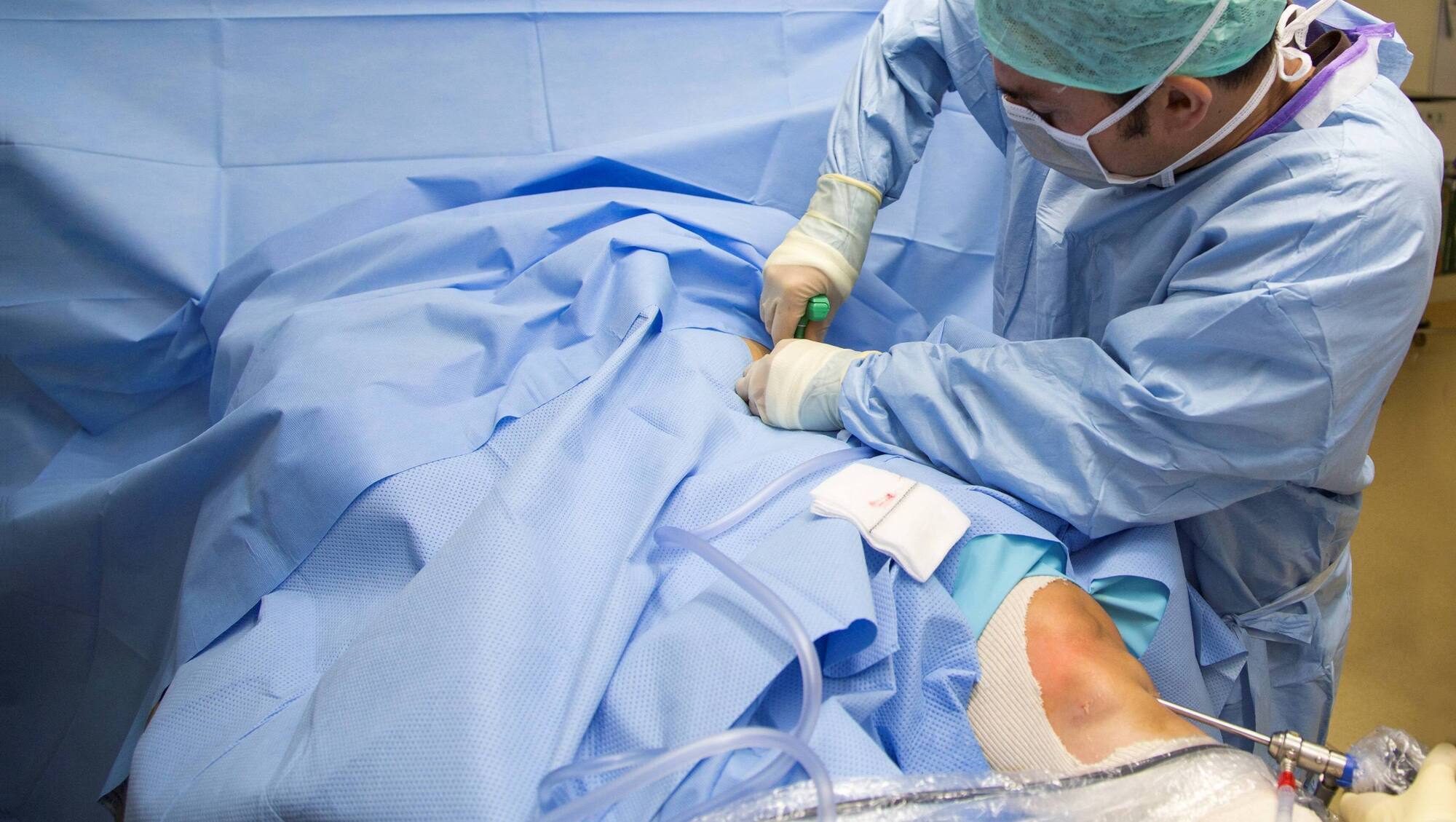
The National Orthopaedic Register national report 2015-2024 found that 33% of patients who underwent knee replacement surgery had a BMI over 30, compared with 27% of hip replacement patients. File photo: PA
Around one in three patients who underwent hip or knee replacement surgery over the past decade had obesity, with a body mass index (BMI) above 30, an audit has found, highlighting the increasing complexity of care for these procedures.
The findings are contained in the National Orthopaedic Register national report 2015-2024, published on Wednesday by the National Office of Clinical Audit.
Read More
The audit examined 43,291 hip and knee joint replacements carried out across 17 public and private hospitals, making it the most comprehensive analysis of such surgeries to date.
It found that 33% of patients who underwent knee replacement surgery had a BMI over 30, compared with 27% of hip replacement patients.
Overall, the number of patients with a BMI over 40 increased slightly in 2024. The audit noted that future reports will examine these trends in more detail.
Osteoarthritis was the main reason for these surgeries. It was linked to 94% of hip replacement patients and 97% of knee replacements.
Clinical lead John Quinlan said: “Joint replacement surgery is often performed when osteoarthritis has caused severe pain and significantly limits a person’s mobility and quality of life.”
He said these are “major procedures” but that the data shows “they are very safe, with very low complication rates".
He added that patients reported “significant improvements in pain, mobility and overall quality of life following surgery”.
The register also tracks implants used during joint replacement procedures. Prof. Quinlan said: “This means that if a safety concern or implant recall ever arises, hospitals can quickly identify the patients affected and provide appropriate follow-up care.”
Over the past decade, patients underwent 22,249 primary hip replacements and 18,102 primary knee replacements. The average age was 70 for hip surgery and 72 for knee surgery, although 4% of hip replacements and 1% of knee replacements were carried out on patients aged between 40 and 49.
The audit found that the 30-day mortality rate following surgery was “extremely low” at 0.1%.
Less than 1% of primary joint replacement patients developed a surgical site infection within 30 days, and fewer than 1% experienced early complications such as dislocation.

CONNECT WITH US TODAY



Be the first to know the latest news and updates