Power must be held accountable even in moments of pressure
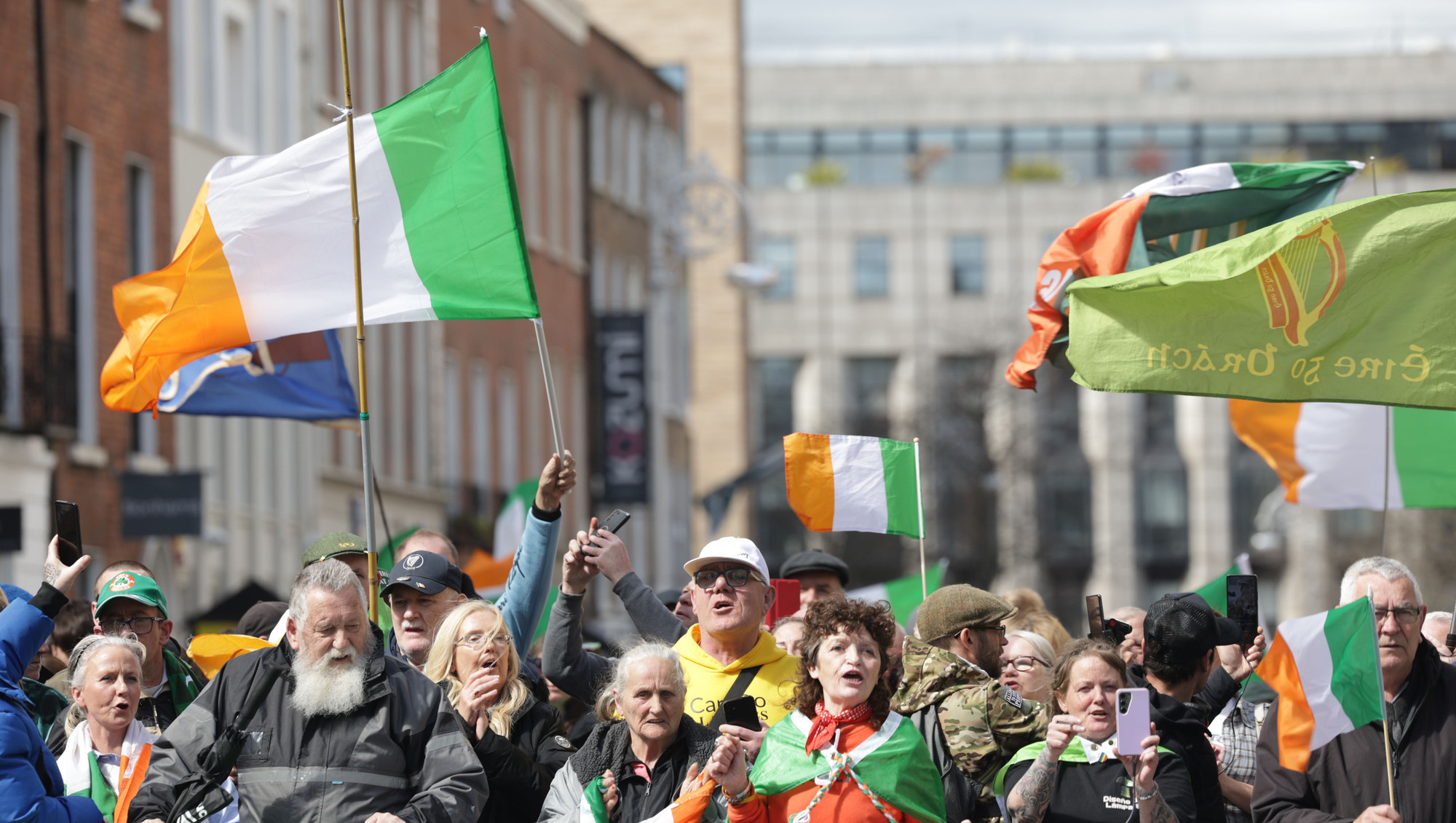
Fuel protesters outside Leinster House. Picture: Leah Farrell /RollingNews.ie
We all want to live in a democracy where power is held in check and accountable. This matters most in moments of pressure — when life feels hardest, frustration is rising, and decisions taken at the top have real consequences in homes, workplaces, and communities. It is in these moments the guardrails of democracy are tested.
As the dust settles on the rapid news cycle of the last few weeks, is it easy to forget what happened in the noise. So let's revisit comments and actions from justice minister Jim O’Callaghan and communications minister Patrick O'Donovan that have raised important questions about where the boundaries of democratic power sit.
Most of us agree elected leaders should do what is best for all of us. At a time when people are under real pressure — struggling with fuel costs, heating their homes, running farms and businesses, and getting to work and school — responses to the recent protests have included suggestions of deploying the army and questions about whether media coverage was sufficiently “balanced.”
These interventions matter when taken together. Not because of the protests themselves, whatever you may think of them, but because they reveal how power behaves under pressure.
In such moments, there is a temptation to shift away from addressing the root causes — the cost of living and reliance on fossil fuels to name just two — and instead to focus on managing dissent or scrutinising the messenger. The effect is to pull focus away from who sets the rules, and whose interests those rules are really serving.
We should see the recent fuel protests as a signal our systems are under strain and struggling. It is in these moments of heightened anxiety, that leadership demands restraint — slowing the pace when debate accelerates and resisting escalation when steadiness is needed.
We need to be clear about what is at stake.
When a minister — Jim O'Callaghan, who has no direct responsibility for defence — signals that the army could be deployed to remove vehicles blocking roads and ports during fuel price protests, the boundaries between role and responsibility, and between civic life and State power, begin to blur.
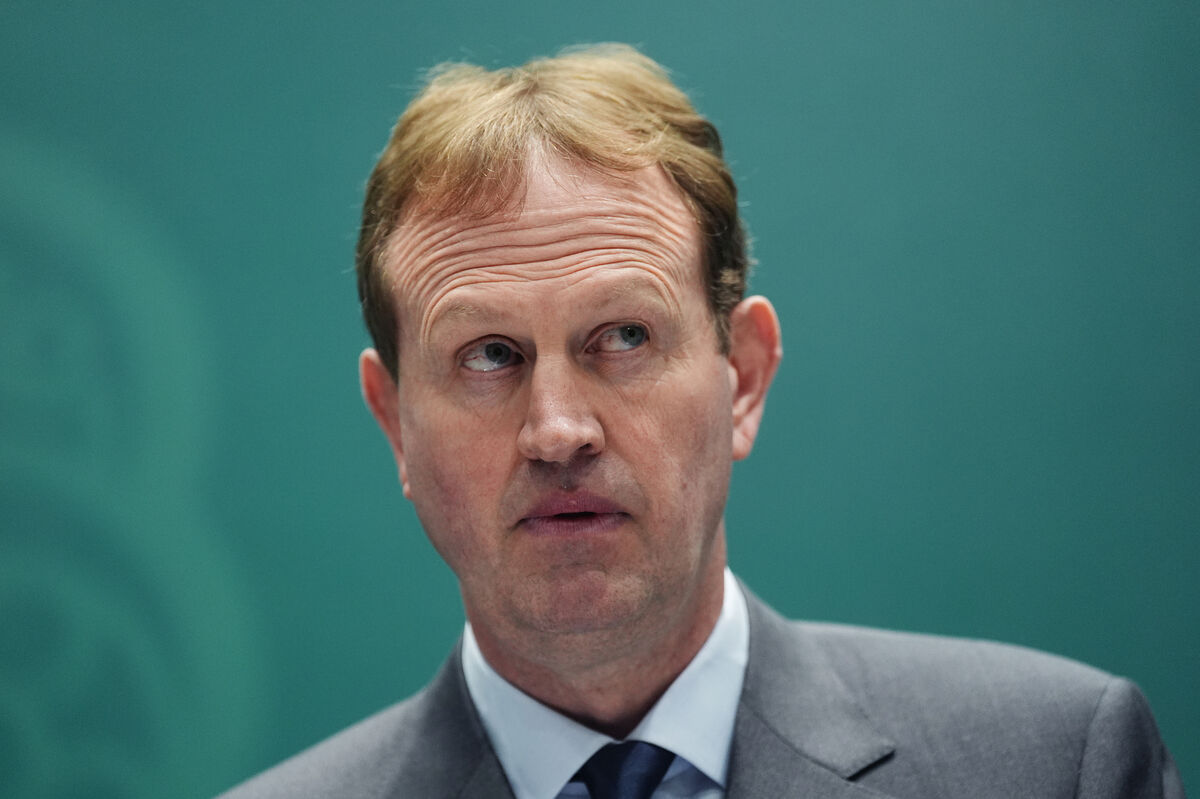
In Ireland, the Defence Forces are bound by legal and civilian oversight — what might be thought of as a gate designed to ensure responses to peaceful protest are rooted in dialogue rather than deployment.
But when the language of military involvement starts to drift into everyday political discourse, even as rhetoric, it is as if that gate is left slightly open, and once it is, the line between civic life and coercive State power is less distinct.
We are seeing elements of this dynamic in the United States, where the conduct of Ice (US Immigration and Customs Enforcement) has drawn sustained criticism. Reports of aggressive enforcement tactics, limited transparency, and weakened oversight have raised broader concerns about accountability and the appropriate limits of state power. What should function as a democratic guardrail can begin to feel more like a battering ram.
Ireland is not the United States. But the lesson is not about direct comparison — it is about the direction of travel. Democracies are rarely undone in a single moment of crisis. More often, they are eroded incrementally, through political signalling, shifts in language, and the gradual stretching of institutional norms.
This applies to political commentary on media coverage too.
When the minister who decides on funding for public service media — Patrick O'Donovan — publicly questions whether its political coverage is sufficiently “balanced”, the focus shifts away from power and public interest toward the messenger.
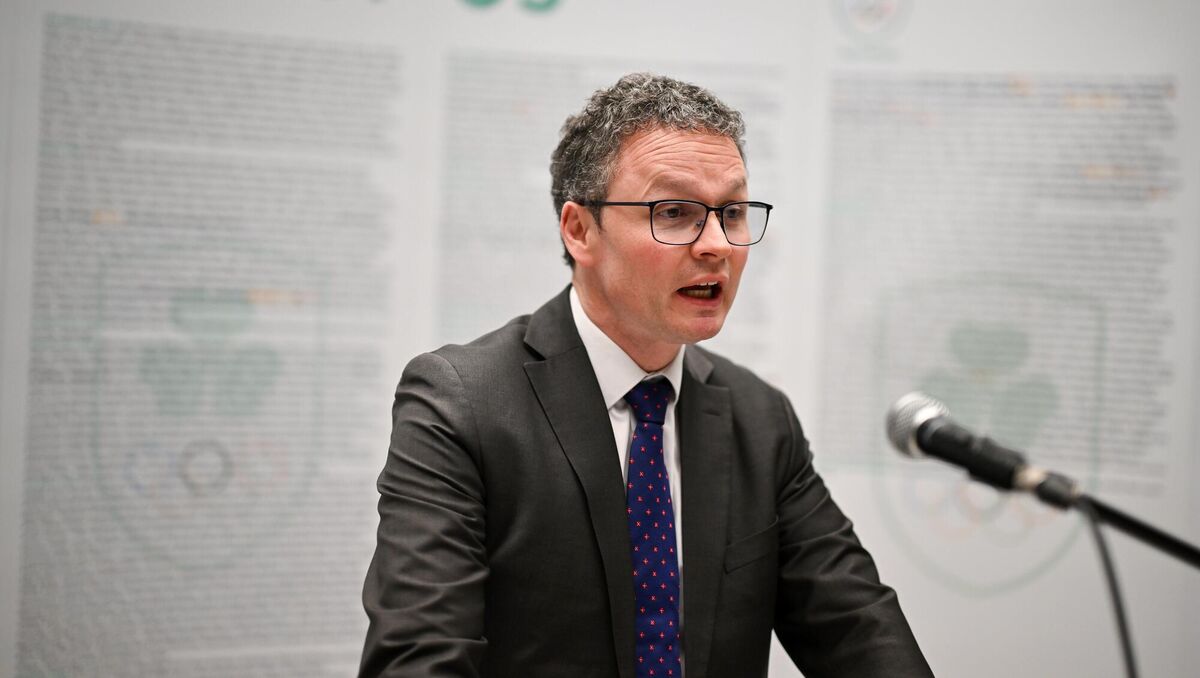
Independent journalism exists to report reality, especially when that reality is contested or uncomfortable. The core issue is not protest tactics, nor whether every perspective appears in every report, but whether the democratic space for disagreement, scrutiny, and accountability is being protected.
The National Union of Journalists described the minister’s remarks as “sinister and deeply disturbing,” arguing they draw a false equivalence between reviewing media coverage and the legitimate oversight role of government.
The union also emphasised the role of RTÉ as a public service broadcaster — not a State-controlled one. They rightly warned political interference threatens democratic norms, risks undermining editorial independence and places undue pressure on both media organisations and the regulators.
There is an important distinction between the public using formal complaints mechanisms to the independent regulator Coimisiún na Meán and political leaders publicly signalling dissatisfaction of content based on selective perception. The latter risks undermining trust in independent journalism as a whole.
Discrediting the media is a well-established pattern in democratic backsliding across different counties and contexts and once embedded, it is difficult to reverse. When trust begins to fray, cracks appear, creating the space for disinformation and narratives that exploit fear and division to take root and grow.
Social media has emerged as one of the most significant threats to democracy through its amplification highway. Algorithms designed to maximise engagement often prioritise sensational or divisive content, allowing false or misleading narratives to spread fast, polarising public opinion, and undermining trust in institutions. This is where urgent political leadership and action is needed.
It also means examining companies that control essential energy systems, the concentrated power of technology companies that control the flow of information for billions of people, and tracing how corporations and concentrated wealth can shape policy and regulation in ways that do not align with the public interest.
In any healthy democracy we also need movements that hold power to account, and accountability from people seeking to lead them to withstand attempts to divide us while also demanding better. We therefore need movements grounded in solidarity and values of inclusion with collective outcomes for everyone who calls Ireland home. This is why democratic guardrails matter to keep that light pointed at power, not deflected away from it.
When democracy is functioning well, it enables everyone, no matter who we are, where we live, who we love or worship or the colour of our skin, to grow and flourish. Most of us know we’re stronger when we look out for each other and demand real solutions together.
We need our political leaders as custodians of democracy — both at home and abroad — to act in the public interest. This ultimately means listening and responding to public concerns.
Right now, that's the ability to heat our homes, to get to work, to keep businesses running, and to feel secure in daily life. Essentially being able to have a life we can all afford. That’s why a coherent, homegrown energy plan — one that serves both people and the planet — is more urgent than ever.
- Edel McGinley is executive director at Hope and Courage Collective. The organisation works with communities, workplaces, and institutions across Ireland to strengthen democracy and build collective resilience in the face of rising far-right hate and disinformation

CONNECT WITH US TODAY



Be the first to know the latest news and updates