Chambers warns ministers 'to control their spending' as impact of Middle East war deepens
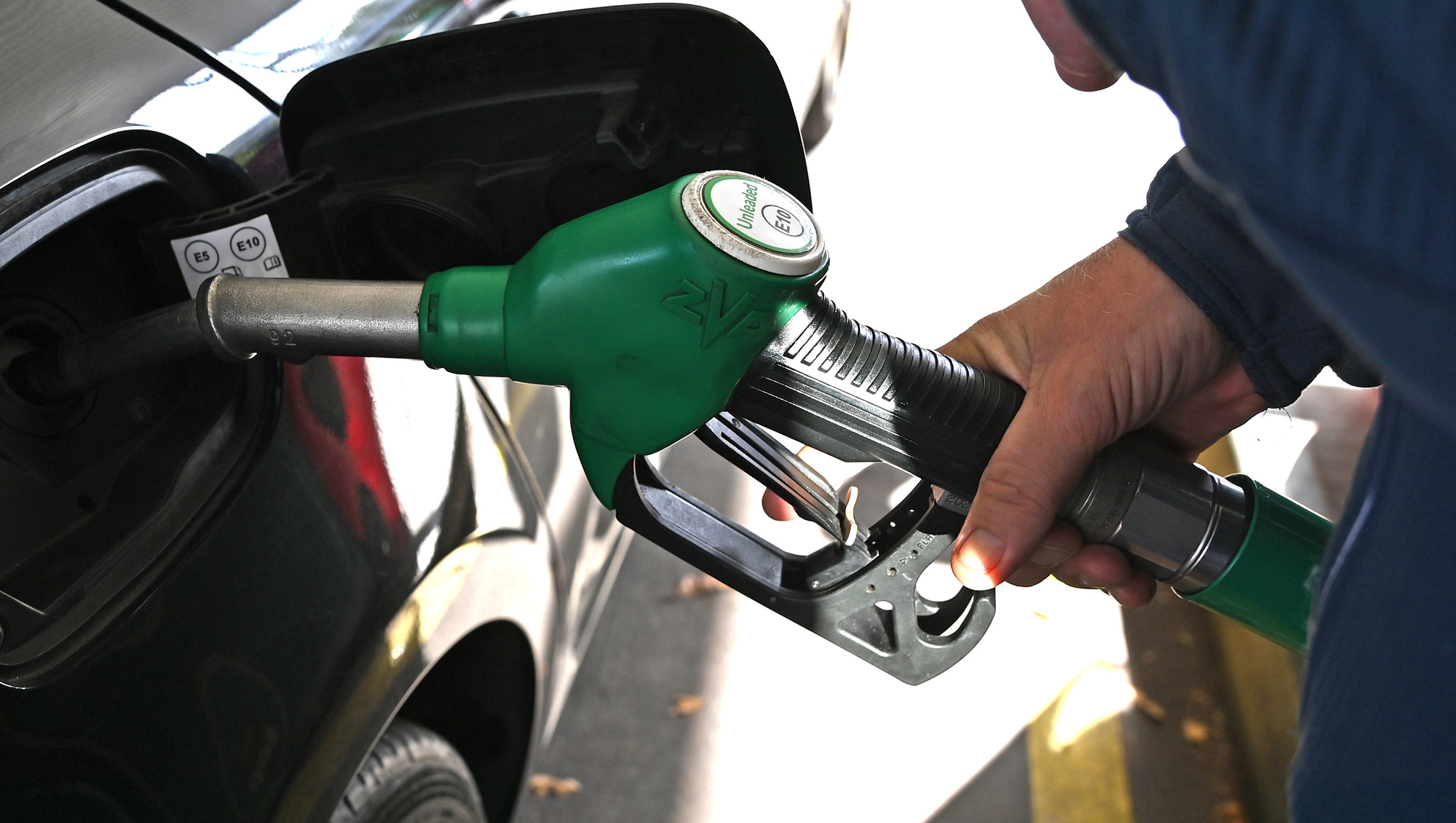
The cost of petrol, diesel, electricity, gas, and home heating oil are expected to rise further amid the war in the Middle East. Stock picture: Eddie O'Hare
The energy price shock is “reverberating across other supply chains”, and ministers must control their spending as the war in the Middle East continues, Cabinet will be told this morning.
The Government’s spring economic forecast will be brought to Cabinet today by finance minister and Tánaiste Simon Harris and public expenditure minister Jack Chambers.
Mr Harris asked officials in the Department of Finance to “scenario plan” for the impact on Ireland of the war in Iran.
Read More
The document sets out three scenarios, with different projections based on the depth and duration of the conflict.
As the war between the US and Iran continues, the Cabinet will be briefed on the scenarios (baseline, adverse, and severe) that could impact the Irish economy the longer the unrest endures.
Mr Harris will tell ministers that the economy is expected to continue to grow in all scenarios, albeit at a more moderate pace.
He will point to the importance of running budget surpluses and building up financial buffers as a means of protecting the economy at a time of “international economic uncertainty”.
Mr Harris will also warn that the conflict in the Middle East has triggered a large energy price shock that is “reverberating across other supply chains”.
Mr Chambers is expected to say there is a risk of “stagflation” — stagnant growth, high unemployment, and high inflation — if there is a prolonged conflict in the Middle East.
He will warn ministers there is a need for stronger cost controls in departments and that delivery of programmes and initiatives are “dependent on ministers adhering to budget allocations”.
Mr Chambers will also say that reforming processes, generating savings, and moderating expenditure increases are central to protecting jobs and safeguarding the economy.
He will argue that focusing investment on capital infrastructure such as housing, roads, energy, and water is the best way to achieve this.
Mr Harris said yesterday that Ireland is in a “position of relative strength”. He added: “Even in the various scenarios, we will be able to plan for a budget in October that will seek to make sure work always pays, that we can keep our economy secure and safe, and then we can also make further interventions if we need to.”
Asked if he was ruling out energy credits later in the year, Mr Harris said it would be “foolish to rule anything out”.
It comes as one of the groups behind this month’s fuel protests warned that they could be back out on the streets demonstrating within two weeks. A Facebook page named ‘The People of Ireland Against Fuel Prices Protest’ warned that “if there are no real developments within the next two weeks, planned protests will commence on May 2”.
Meanwhile, sales of electric cars soared 51% in continental Europe last month. More than 224,000 new EVs were registered in March and 500,000 across the first three months of the year across 15 countries— a 33.5% rise on a year earlier, according to New AutoMotive and E-Mobility Europe.
- Louise Burne, Political Correspondent
CONNECT WITH US TODAY



Be the first to know the latest news and updates