Prolonged blockade of Strait of Hormuz could bring food shortages and rationing
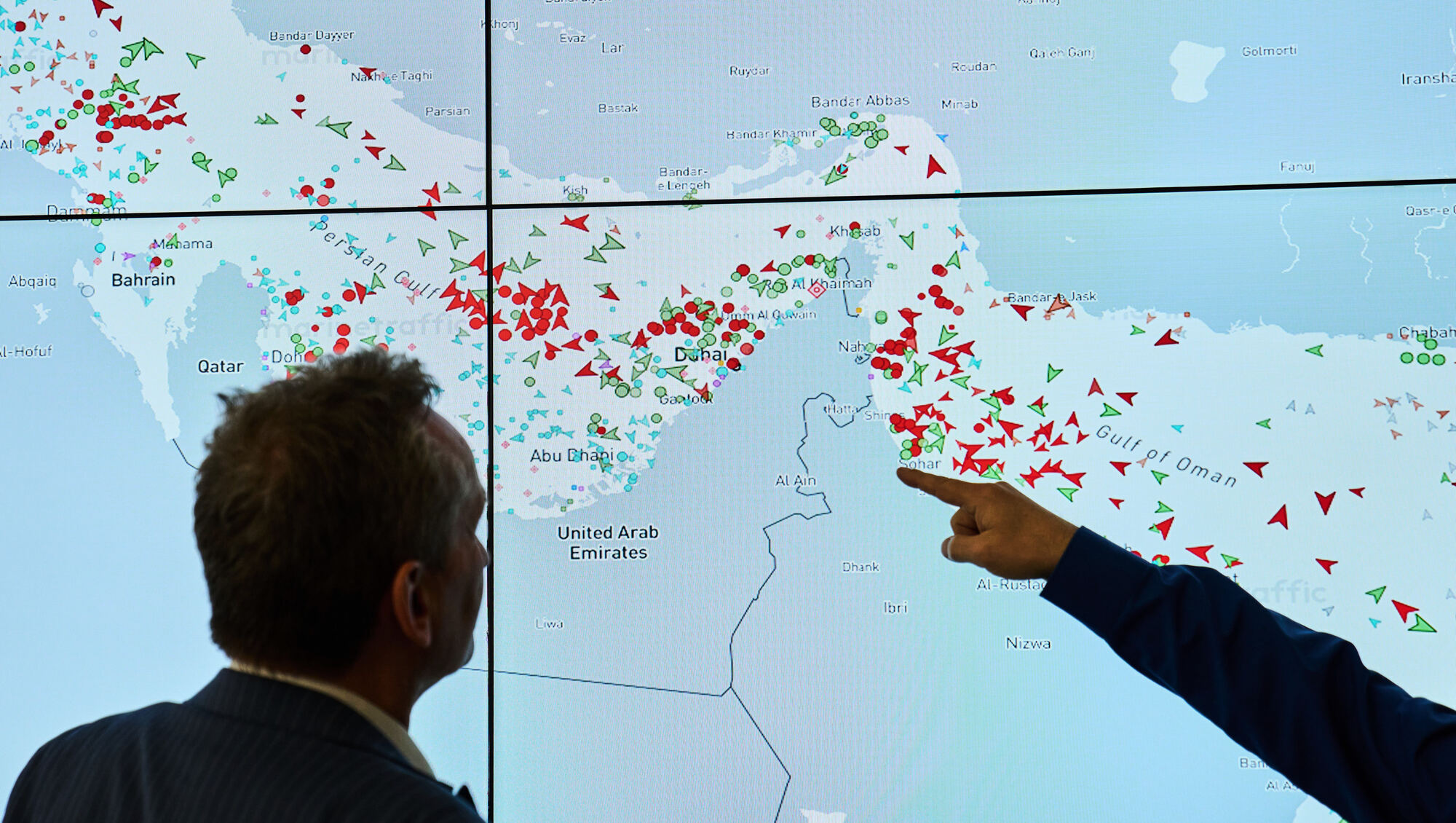
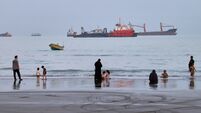
The US naval blockade of the Strait of Hormuz is designed to stop Iran from exporting energy or importing food, industrial parts, or weaponry by sea. Photo: AP/Ebrahim Noroozi
The farming news has now been superseded by global politics.
The latest from the Persian Gulf will determine the future, rather than price trends at the farm gate, or even the weather. With someone as unpredictable as America’s president Donald Trump making the news, no one can relax.
The latest escalation was a US naval blockade where the Gulf meets the ocean. It is designed to stop Iran from exporting energy or importing food, industrial parts, or weaponry by sea. That means the world economy must do without another two million Iranian barrels of oil per day.
The global oil supply had already plunged by around 10 million barrels a day, or about 9%, when Saudi Arabia, Iraq, the United Arab Emirates and Kuwait were forced to restrict production after the USA and Israel attacked Iran.
Attacks on energy infrastructure in the Middle East and restrictions on tanker movements through the Strait of Hormuz have caused the largest ever oil supply disruption, and the International Energy Agency says recovery could take as long as two years. So the odds are against global fuel prices falling to pre-war levels.
Gulf blockades by the Americans could cause Iranian oil storage capacity to become full, forcing well shutdowns and risking further long-term oil supply damage.
Trump (and the whole world) may depend on the blockade and similar tactics, forcing the Iranian regime to negotiate a peace deal.
In this high-stakes poker game, will Iran tighten its belt and survive for a few months until the global oil supply crunch really bites? Or will it crumble quickly, and allow the lengthy process of fully reopening the Strait of Hormuz to get underway?
Or will Iran escalate the crisis, thus ending the ceasefire and restarting the war?
One way of escalating might be to get their Houthi friends in Yemen to block the Red Sea, possibly removing another seven million barrels a day of oil flow by closing Saudi Arabia’s exports.
The card game is unpredictable. China, a big buyer of Iran’s oil, could take on the USA.
However the cards fall, a prolonged period of higher energy prices is inevitable, seriously threatening very energy‑intensive sectors such as farming and food. Even worse than high fuel prices, shortages and rationing are possible.
Already, there are some reports of disastrous consequences in Asia, which is particularly dependent on oil from the Persian Gulf.
Some Filipino farmers are said to be letting vegetable crops rot in the field, rather than sell them at a loss because the costs of harvesting, labour, and transport have gone so high.
Rising diesel prices quickly left nearly half of Thailand’s huge fishing fleet confined to port (an increasing problem for fishing fleets worldwide).
Diesel became unavailable or excessively expensive in Bangladesh where it is needed for power irrigation, pumps, and farm machinery. Preliminary estimates suggest this has reduced rice production 10–15%.
If the Gulf conflict does not end by June, an extra 45 million people could be pushed into acute food insecurity, said the World Food Programme.
That could happen if agriculture is incapacitated by fuel shortages, leading to food scarcity and shrinking food stockpiles, particularly in developing countries.
Along with fuel, farmers around the world may not be able to get enough fertiliser, because 30% of urea, 27% of ammonia, 24% of phosphates, and 48% of sulphur come through the Strait of Hormuz.
Europe imports only limited amounts of fertiliser from the Gulf. Nevertheless, EU prices quickly surged about 40% for urea, and 15-20% for nitrates.
High fertiliser prices may force farmers worldwide to reduce application rates, and change to soyabeans and other legume crops which need less fertiliser. If things go badly in the Gulf, a shortage of fertiliser, at any price, is a frightening prospect.
The threat to food and agriculture may be a bigger factor than expected in bringing global peace, not least because near-record March temperatures have left more than half of the USA hit by a drought, which is making life difficult for American farmers.
The National Drought Mitigation Center said 60% of the USA is experiencing some level of drought, and more than 640,000 acres have been destroyed by wildfires in Nebraska.
Drought problems across the heartland offer a sound excuse for president Donald Trump to quickly agree a peace deal with Iran, allowing him to take credit for easing the rising costs of fertiliser and fuel for farmers struggling to survive.