Colin Sheridan: The fuel protests may have revealed some uncomfortable truths
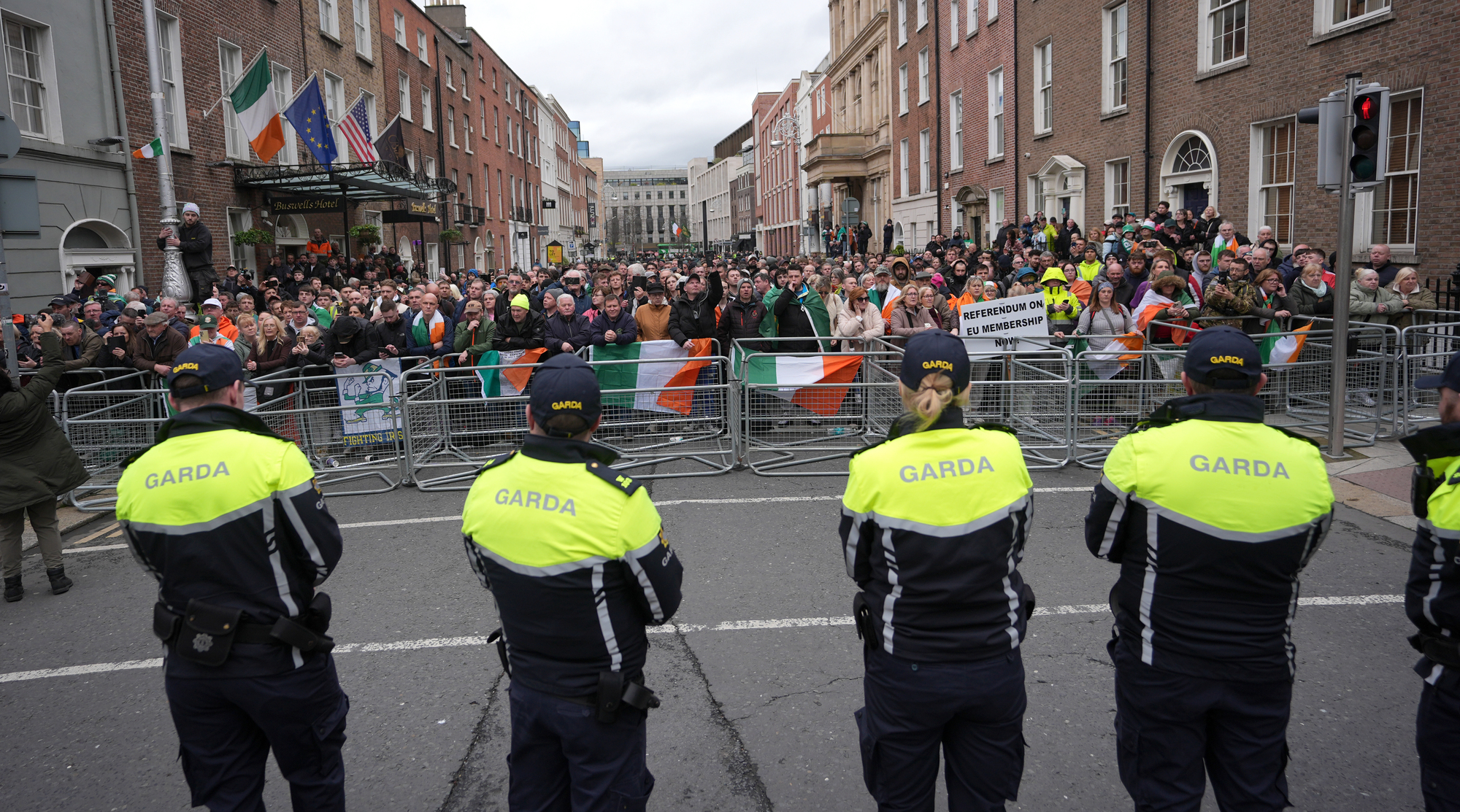
The fuel protests, organised outside traditional union structures, achieved something notable: they forced engagement. Picture: PA
Power, American abolitionist Frederick Douglass argued, concedes nothing without a demand.
For a country recently characterised by quiet consensus politics, Ireland has recently felt louder. The recent fuel blockades prompted an uncomfortable question for the Government: is protest - particularly disruptive, decentralised protest - back as a decisive political force?Â
More pointedly, do such actions expose an Achilles’ heel in how the State responds to pressure?
At first glance, the answer appears to be yes. The fuel protests, organised outside traditional union structures, achieved something notable: they forced engagement. Government ministers moved unusually quickly — if clumsily — to address grievances, signalling a responsiveness that has not always been evident in more conventional campaigns.Â
This raises a difficult truth. Peaceful, orderly protest — marches, petitions, statements — often struggles to achieve tangible outcomes. Disruption, especially when it touches the economic bloodstream of the State, tends to yield faster results.
Historically, Irish protest has always been most effective when it affects the bottom line. The 1913 Lockout remains the clearest example: a brutal industrial dispute that reshaped labour relations and forced the question of workers’ rights into national consciousness.Â

Even outside labour struggles, moments like the protests following Bloody Sunday in 1972 demonstrated that public outrage, when it spills into the streets at scale, can alter political narratives and international perception.
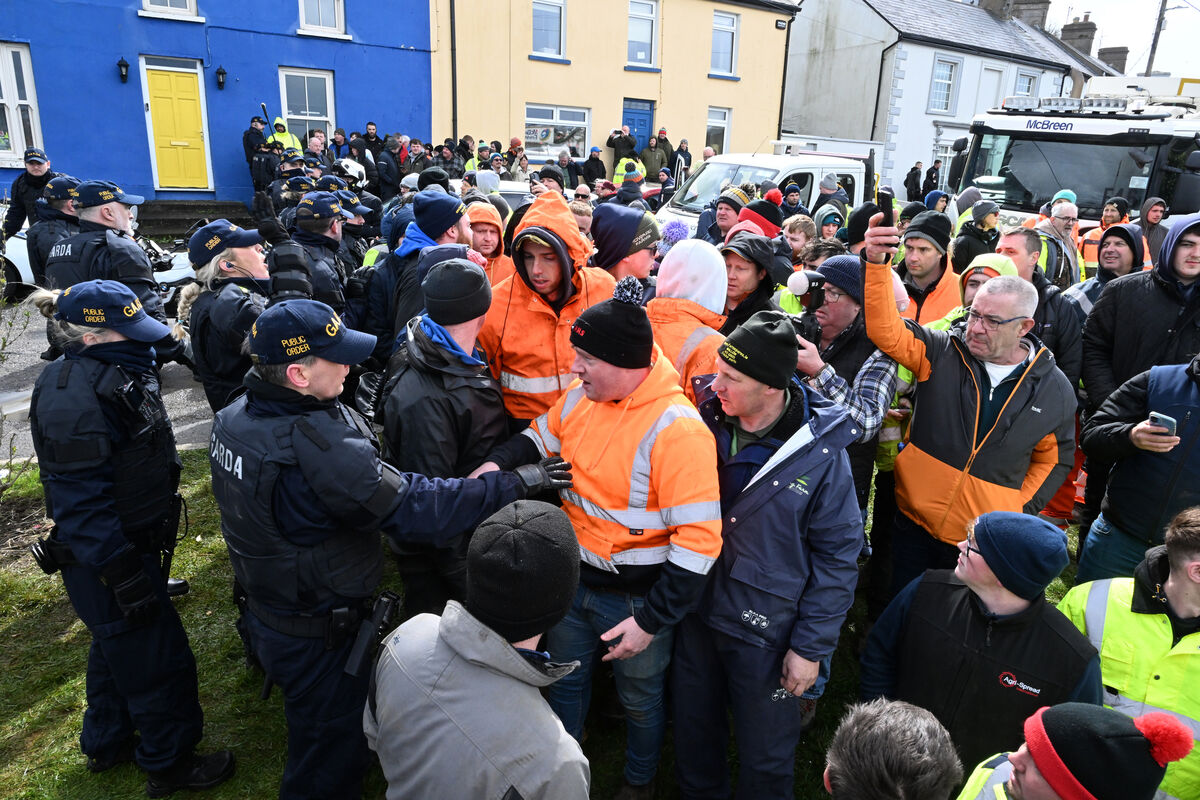
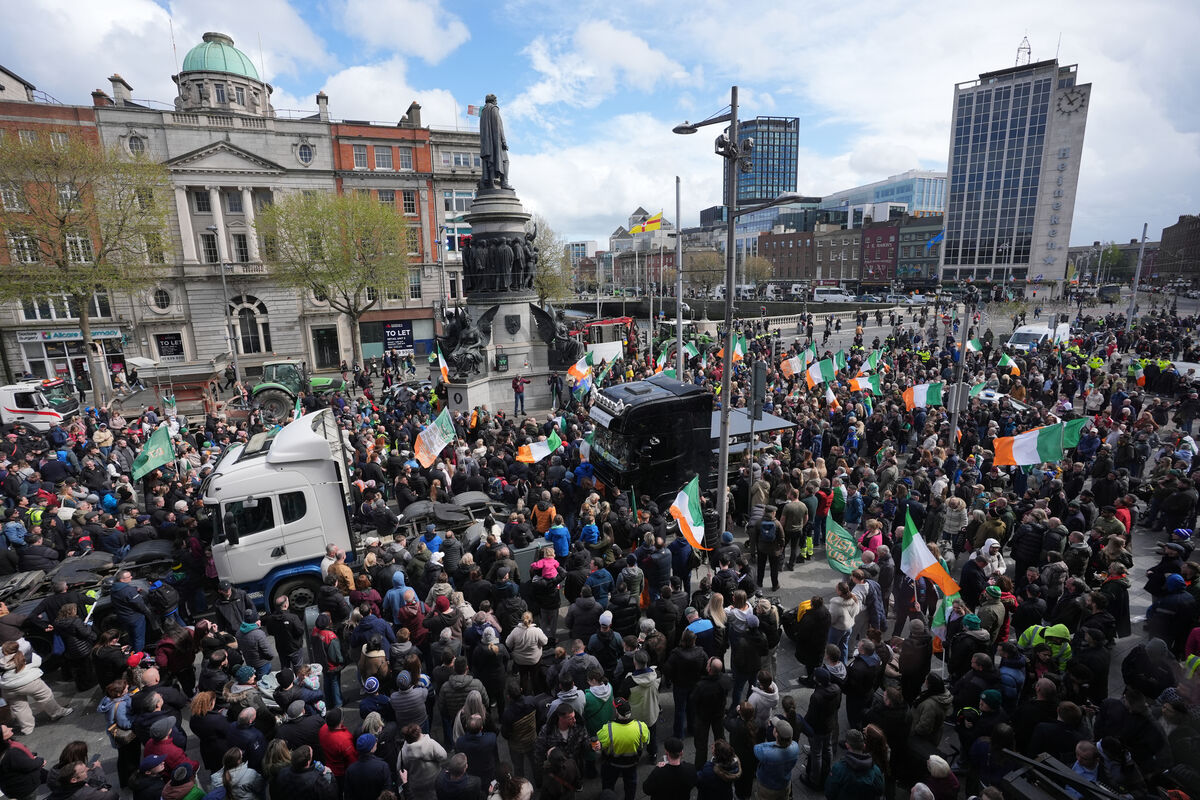
The recent fuel blockades fit this pattern. By targeting supply chains, protesters applied pressure not through persuasion but through leverage. It is a tactic that bypasses traditional lobbying and goes straight to impact.
What distinguishes these protests from earlier movements is not just their tactics, but their organisation. Trade unions — once the backbone of collective action — were largely absent. In their place: decentralised networks, often co-ordinated through WhatsApp groups and social media.
This shift mirrors global trends. The Arab Spring, particularly in Tunisia and Egypt, demonstrated how digital communication could mobilise large numbers rapidly, without hierarchical leadership. These movements were fluid, fast-moving, and difficult for authorities to predict or control.
Ireland’s recent protests suggest a similar evolution. Organisation is now horizontal rather than vertical. Leadership is diffuse. Messaging spreads instantly.
This has advantages: speed, accessibility, and a sense of grassroots authenticity. But it also carries risks. Without formal structures, accountability becomes murkier, strategic coherence can suffer, and movements can be more easily infiltrated or co-opted.
Legitimate protest or subversive action?
What, then, separates legitimate protest from subversive action?
The distinction is not always clear. Disruption, by its nature, challenges legal and social norms. Blocking roads or fuel depots can be framed as civil disobedience — or as unlawful interference, depending on perspective.
Governments tend to draw the line where disruption becomes intolerable. Protesters, meanwhile, often argue that effectiveness requires precisely that level of disruption.
Complicating matters further are claims of external influence. Globally, there is growing awareness of how protests can be shaped — or at least amplified — by outside actors.Â
Recent reporting around protests in Iran, and allegations of foreign involvement, underscores how geopolitical interests can intersect with domestic dissent.
There is little concrete evidence of systematic external interference in the fuel protests; however, the nature of modern communication — particularly encrypted messaging and algorithm-driven social media — means that influence can be subtle, indirect, and difficult to trace.
Claims of far-right involvement in Irish protests are often contested. Some see genuine grassroots anger being unfairly dismissed or delegitimised.Â
The reality is likely somewhere in between. Decentralised movements, by design, are open systems. They attract a range of participants, not all of whom share the same motivations.
Trade union participation
One of the more intriguing implications of recent events is what they might mean for trade unions.Â
For decades, unions have operated within structured frameworks: negotiations, ballots, regulated strike action. These processes provide legitimacy but can also limit agility.
The success — or perceived success — of decentralised protests may prompt unions to rethink their approach. Will they adopt more disruptive tactics?Â
Perhaps the most uncomfortable questions arise when comparing different protest movements.
Take the pro-Palestinian demonstrations in Ireland. Over several years, they have mobilised large crowds, sustained public attention, and maintained a consistent presence.Â
Yet their impact on Irish foreign policy has been limited. Why? One possible explanation is that these protests, while visible, have not imposed significant economic or political costs.Â
The logical question such movements need to ask themselves is whether more disruptive tactics — blockades, occupations, direct action — would yield different results? And if so, how would the State respond?

In Ireland, the fuel blockades highlight a growing willingness to bypass traditional channels and apply direct pressure.Â
Protest is not new in Ireland. But its form — and its perceived effectiveness — may be changing.
Whether this marks a lasting shift remains to be seen. But one thing is clear: the rules of protest are being rewritten, and both governments and movements are still figuring out what comes next.

Cancel anytime
CONNECT WITH US TODAY
Be the first to know the latest news and updates