Philomena's Law: Campaign steps up for UK-based survivors of mother and baby homes
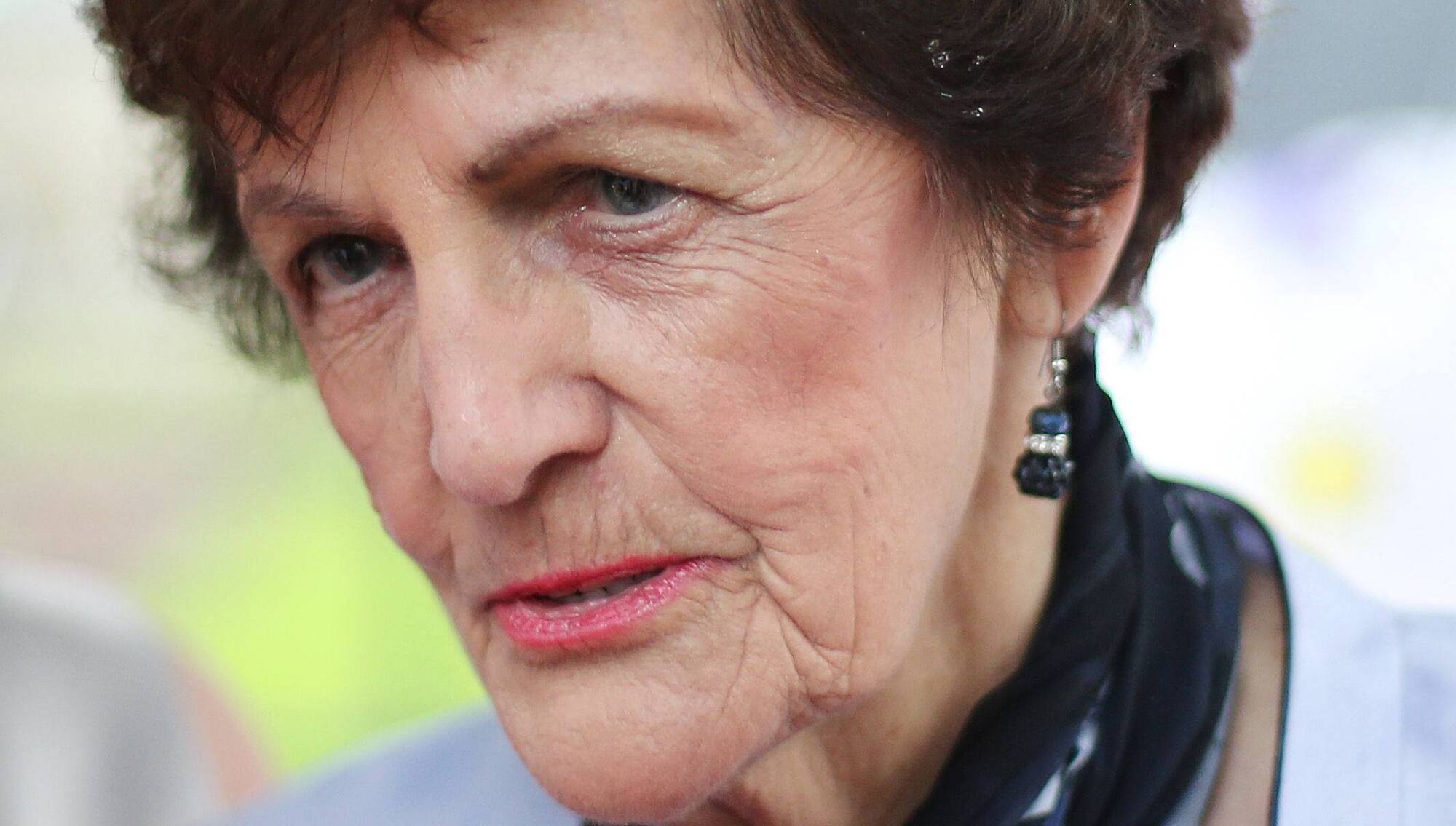
Irish mother-and-baby-home survivor Philomena Lee whose story came to worldwide attention due to Martin Sixsmith's book and the subsequent film, 'Philomena'. The UK bill named in her honour was tabled last month by Beckenham and Penge Labour MP Liam Conlon. File picture
When 70-year-old Rosemary Adaser stepped back from years of campaigning for the rights of the mixed-race Irish, she believed her fight was finally over.
“I was tired. I needed to step down,” she said.
But retirement didn’t last long. When she discovered that survivors of Ireland’s mother and baby institutions living in the UK could be financially penalised for accepting compensation, and risk losing vital British benefits, or having their redress treated as savings, she felt compelled to act.
“I just said, no, this is not right,” she said.
“There are thousands of others. I thought to myself, I have to do something.”
What followed was a return to campaigning, after she had set up the Association of Mixed-Race Irish (AMRI) and had worked tirelessly on its behalf for years.
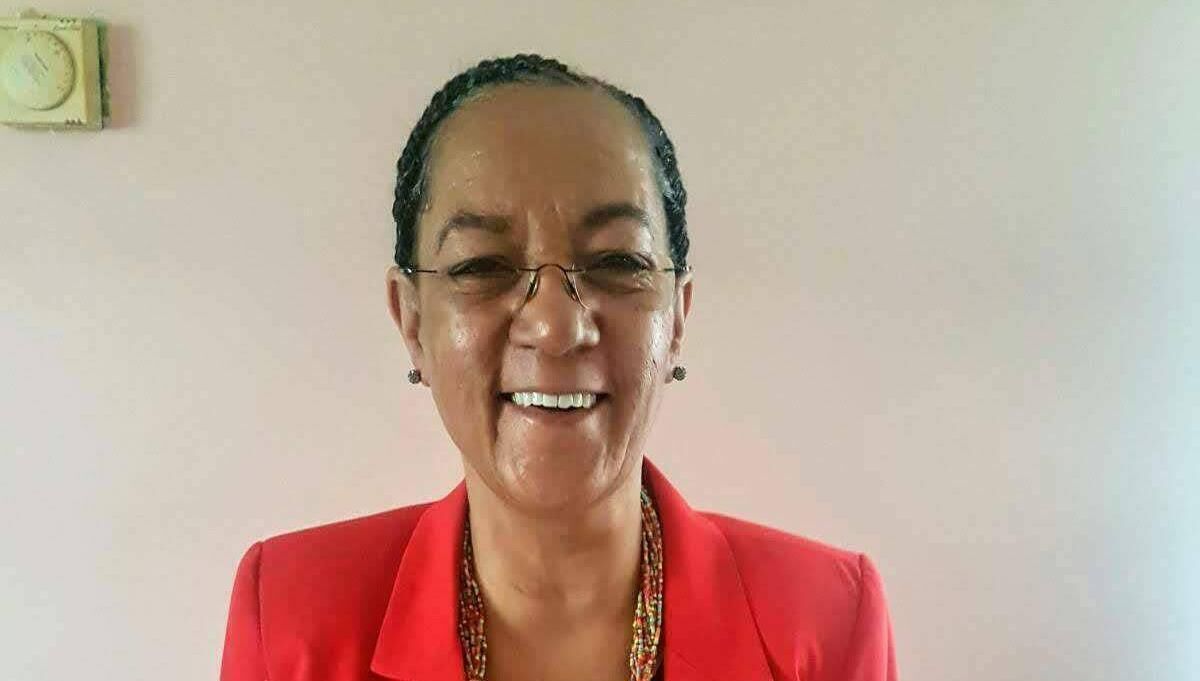
This time, she was now speaking up for 13,000 survivors of mother and baby homes across Britain, many of whom had been too afraid to apply for compensation at all. Official figures show only 770 applications have been made for the scheme in the UK, so Rosemary knew “something was wrong”.
There are 34,000 survivors eligible for the scheme but, between Ireland and the UK, only 7,000 have applied.
Rosemary is arriving in Dublin tomorrow, Monday, for a series of high-level meetings, just days after the UK government issued new guidance instructing local authorities not to treat Irish compensation payments as “capital” when assessing means-tested benefits.
The guidance applies to payments made under Ireland’s mother and baby institutions payment scheme and covers supports such as universal credit, housing benefit, social care, and pension credit.
Campaigners say the move offers immediate reassurance to thousands of survivors in Britain who feared losing essential financial support if they accepted compensation for the abuse they suffered in the institutions.
Rosemary, who risked losing £1,000 a month, has welcomed the development, but she remains “cautious”.
“The move by the UK government is a win for all survivors in the UK,” she said. “But guidance alone is not enough if survivors are unaware of it or if it is applied inconsistently.”
At the centre of the campaign is ‘Philomena’s Law’. Tabled by Liam Conlon MP, the proposed legislation would permanently ensure compensation payments are disregarded for tax, benefits, and social care purposes.
Without it, Rosemary warns survivors remain vulnerable: “Look at the low uptake and the applications made in the UK, I believe people are too scared to apply,” she said.
When Ireland’s redress scheme opened in 2024, it was intended as recognition of the abuse suffered by women and children in mother and baby institutions. But for those living in the UK, the reality was very different.
She quickly realised that accepting compensation could cost her the very support she depends on.
“If I applied for this scheme, whatever compensation I get will be treated as savings,” she said.
“It will be taxed first of all, and then whatever is left will be used against the benefits that I rely on to survive.”
For Rosemary, who is retired and in poor health, that risk was too great.
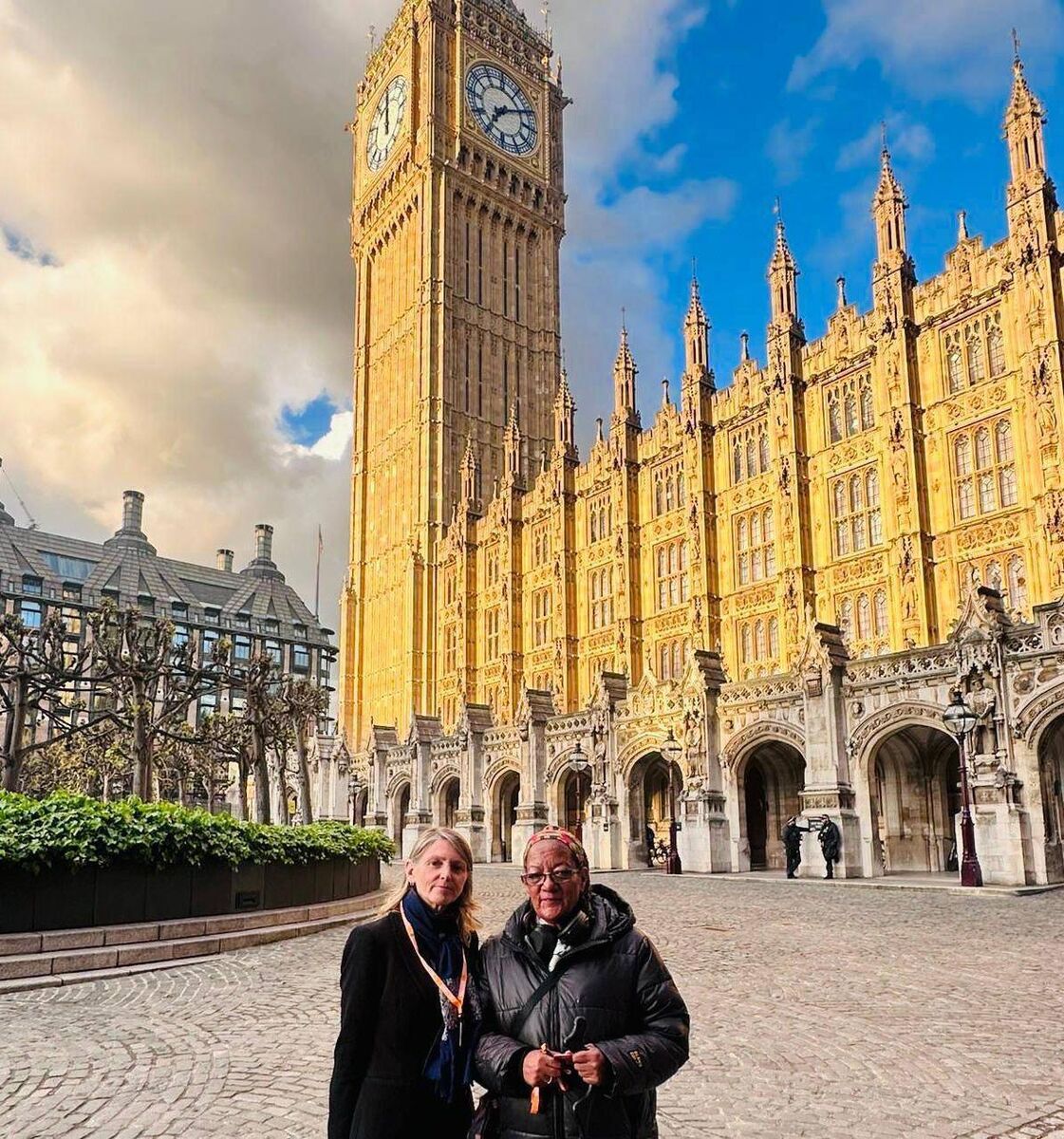
“I get housing allowance that’s the only benefit I get,” she said. “But the compensation would be used up by the removal of my housing allowance. That is very unfair when the money in the beginning was for being abused and neglected.
“The result has been widespread reluctance among survivors to engage with the scheme.”
One of the most striking aspects of Rosemary’s story is the contrast with her twin brother, who lives in Ireland.
“My twin brother Anthony in Ireland has received his compensation in full,” she said. “He applied and received it in a matter of weeks. But here I am, having so much to worry about.”

The compensation scheme rolled out here — the largest of its kind at €800m — is not counted against benefits and comes with access to enhanced healthcare supports.
But in the UK, the situation has been very different and campaigners argue that this has created a two-tier system, where survivors of the same institutions are treated differently depending on where they live.
Rosemary, who was separated from her brother at six years old and put into St Joseph’s institution for girls in Co Kilkenny, points to the long-term impact of institutionalisation.
“Those of us who were in institutions were let loose on the world semi-literate,” she said. “We were not able to look forward to careers or pensions.
“Many survivors went into low-paid work, leaving them heavily dependent on state support in later life.
“The group it predominantly affects is the retired group,” she said. “We don’t have private pensions. We don’t have a cushion.”
For these survivors, compensation is not an optional extra.

“It would help me maintain my independence, my ability to live in my own home,” she said.
“But if you’re on benefits, you’re afraid they’ll just cut you off.”
“Instead, survivors have been left navigating the system individually, council by council, survivor by survivor.”
Her own willingness to speak publicly has been shaped by a lifetime of advocacy here in Ireland and by a determination to act for others.
“It’s never just me,” she said. “Some people can’t speak out, but I am not staying quiet about this.”
For years, she respected her twin brother’s wish for privacy and never spoke publicly about him.
“I left him out of everything,” she said.
But when asked to support her campaign, he agreed to help, recognising the injustice at its core.
“He said, ‘this is simply galling.’”
Rosemary has been supported by leading human rights barrister Caoilfhionn Gallagher KC who has played a key role in securing the recent guidance from the UK government.
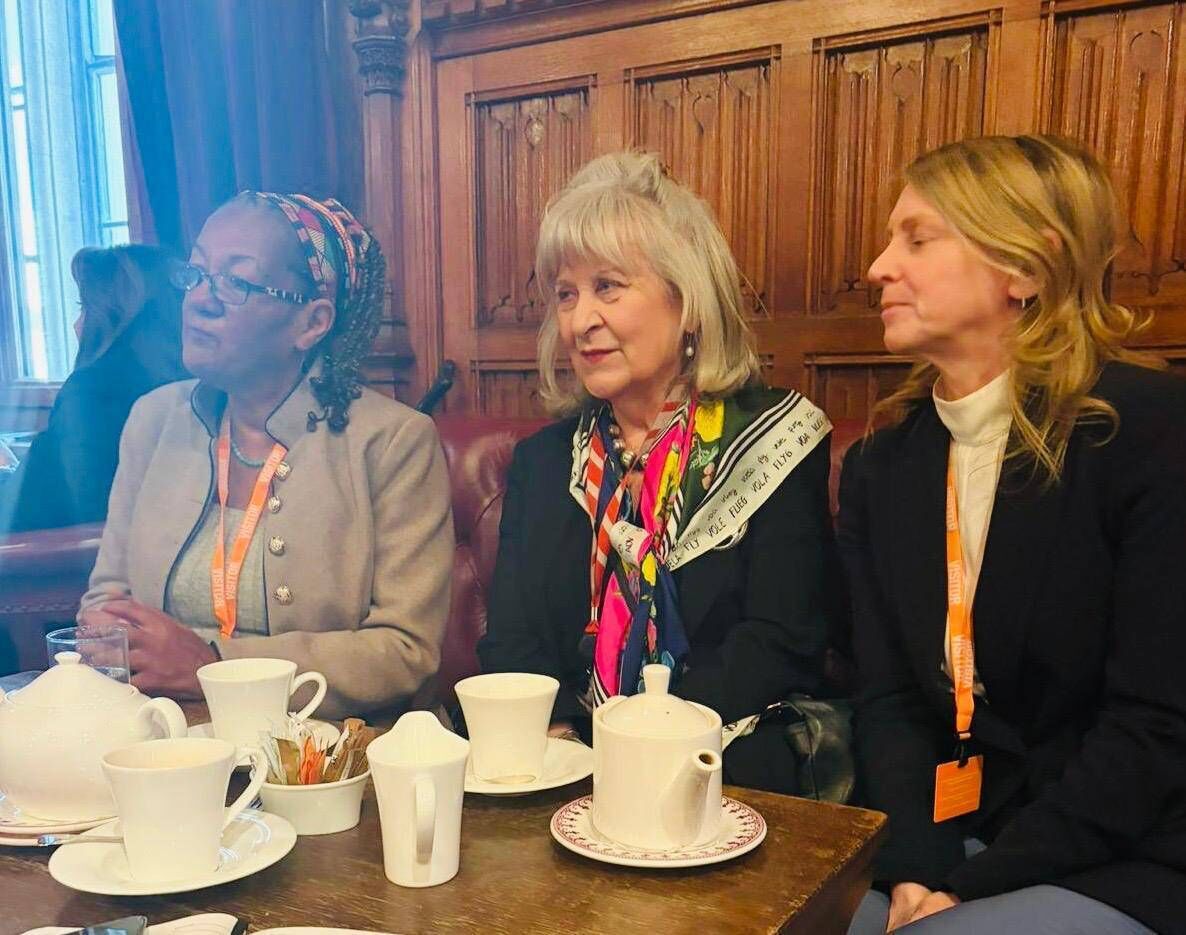
Ms Gallagher described the move as “an important and welcome interim step” but stressed that it must be followed by legislation.
“Survivors need more than interim measures,” she said.
“They need the certainty of a statutory guarantee.”
She said Philomena’s Law is essential to ensure that no survivor loses out and that any who has already been penalised are repaid.
But for many survivors like Rosemary Adaser, the issue is increasingly urgent.
“There’s a time limit on this compensation,” Rosemary said.
“At the end of five years, you either use it or lose it. Some people have already died while waiting for protections to be put in place.
“Time is ticking for all of us,” she said.
CONNECT WITH US TODAY



Be the first to know the latest news and updates