The loneliness of the long-term justice campaigner
Ensuring governments and large companies are held accountable for their failures is often far more difficult than it should be, writes Clodagh Finn
The loneliness of the long-term justice campaigner

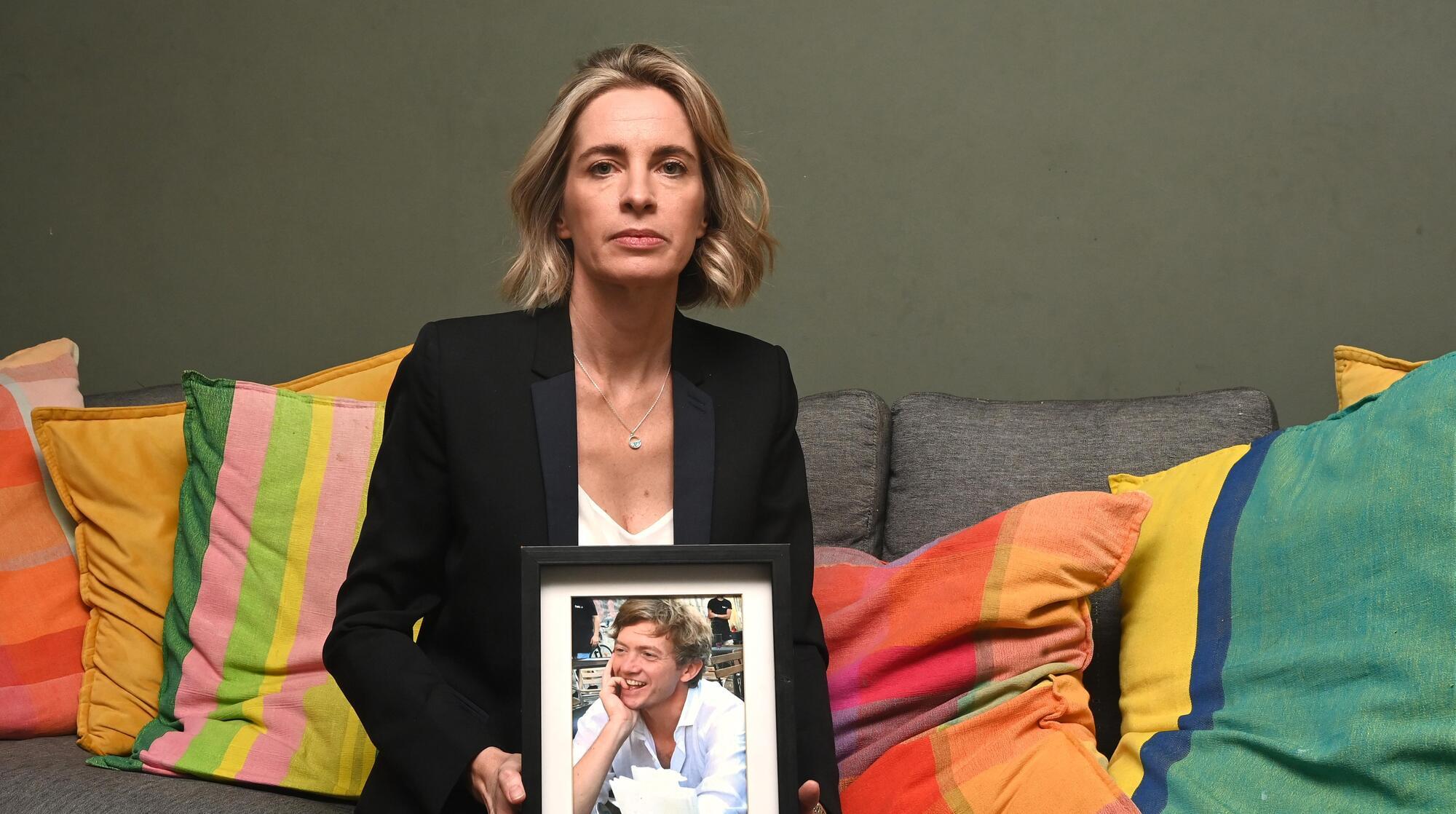
Naoise Connolly-Ryan, whose husband Mick died in a Boeing Max air crash in 2019. Picture: Larry Cummins

When Taoiseach Micheál Martin apologised last week to those who suffered hell on earth in industrial and reformatory schools, there was one glaring omission.

He apologised for historic abuse and neglect, but not for presiding over a Government that allowed four people fighting for health, housing and educational supports to go on hunger strike for 51 days, on its own doorstep.


Fifty-one days.

The issues may well have been complex but there is something very wrong in the State’s apparatus when four survivors, Miriam Moriarty Owens, Mary Donovan, Mary Dunlevy Greene and Maurice Patton O’Connell, felt compelled to launch a hunger protest in a makeshift camp outside Leinster House in order to be heard.

They have spoken since then of the significant health complications of their actions, but said it was worth it for the 4,000 other survivors they will help. There should surely be an apology for that recent suffering too.

Industrial school survivors Miriam Moriarty Owens from Tralee, 68, and Mary Donovan from Kerry ,57, two of four survivors of institutional abuse who are on hunger strike outside Leinster House. Picture: Leah Farrell /  RollingNews.ie

There was a second shocking omission. The Government promised “to continue” to support boarded-out survivors “as much as possible”, but there was nothing about the redress so shamefully overdue.

As Patricia Carey, special advocate for survivors of institutional abuse, said: “I’m frankly quite shocked that the Taoiseach mentioned those who were boarded out so many times, but yet again, after decades, no mention of a proper redress scheme.” 

At least we have such an advocate who, to be fair, was appointed by the Government two years ago.

The sad fact is that one is needed at all, particularly in cases where the litany of harrowing wrongs done is beyond debate. But then that is a persistent feature of Irish life; survivors of all kinds of injustice have fought long and hard for recognition first, before they are forced down the tortuous road to restitution.

Just ask the Stardust families. Or the survivors of the thalidomide drug scandal who, we are told, can expect a formal State apology soon.

Members of the Irish Thalidomide Association Sharon Clarken, Sandra Dunne, Finola Cassidy, Austin O’Carroll and John Stack outside Leinster House last week after meeting Taoiseach Micheál Martin and Tánaiste Simon Harris, where they received a Government commitment to issue a formal State apology to survivors of the drug scandal. Picture: Sasko Lazarov / RollingNews.ie

There are some 40 thalidomide survivors in Ireland and, last week, spokesperson of the Irish Thalidomide Association Finola Cassidy said: “No one else should die without an apology”.

It is too late for survivor and tireless disability campaigner Jacqui Browne who died, aged 63, last June, but there is some small comfort in seeing her tenacity and resilience live on.

Her family is continuing where she left off, just as the families of so many others are prepared to go to any lengths to get justice for their loved ones.

Their campaigns illustrate the way in which the State, set up to protect its own citizens, has also put in place systems which cruelly turn on them when they seek redress for its wrongdoing.

There is an upside too, because the loneliness of the long-term justice campaigner also proves the steadfastness of ordinary people has the power to bring about change.

That change might be unbearably slow but at least now there is a growing awareness, insistence even, that victims and survivors be put at the heart of any justice process.

Another thread runs through all of these campaigns, from the CervicalCheck cancer scandal to the Post Office scandal in the UK, and that is the unwavering desire to see wrongdoing recognised and those responsible for it held to account.

Justice-seekers also say they don’t want anybody else to suffer in the way they did.

That is something Naoise Connolly Ryan has said repeatedly in the seven years since her husband Mick Ryan was killed, with 156 others, in an Ethiopian Airlines flight which crashed in Addis Ababa just six minutes after take-off on 10 March 2019.

Since then, she has joined the families of the 346 people killed in that crash and an earlier one in 2018 in an attempt to hold the makers of the faulty Boeing 737 Max 8 to account.

There have been high points — such as having those who died recognised as the victims of crime — but very many more low points, not least the dismissal of a charge of criminal conspiracy against Boeing, even though the trial judge described the company’s wrongdoing as “the deadliest corporate crime in US history”.

The fight continues though, with a rare legal move called a mandamus petition which will ask the court to reverse the decision.

It is important for the families involved but, as Ms Connolly Ryan explains, the continued pursuit of justice is also about changing the way victims’ families are treated and asking whether big companies like Boeing can avoid criminal trials after deadly failures.

It is also about keeping hope alive, even though that is wearing thin now too, she says:

“I really don’t hold out much hope this time, though we all grasp on to the glimmer of hope that these appeals hearings provide us. It keeps it alive at least. It is only when it is truly dead in the water and there truly is no more we can do that that last dying ember of hope will be quenched.”

More in this section

Revoiced

Newsletter

Sign up to the best reads of the week from irishexaminer.com selected just for you.

Cookie Policy Privacy Policy Brand Safety FAQ Help Contact Us Terms and Conditions

© Examiner Echo Group Limited