Short-term letting rules will be useless without enforcement
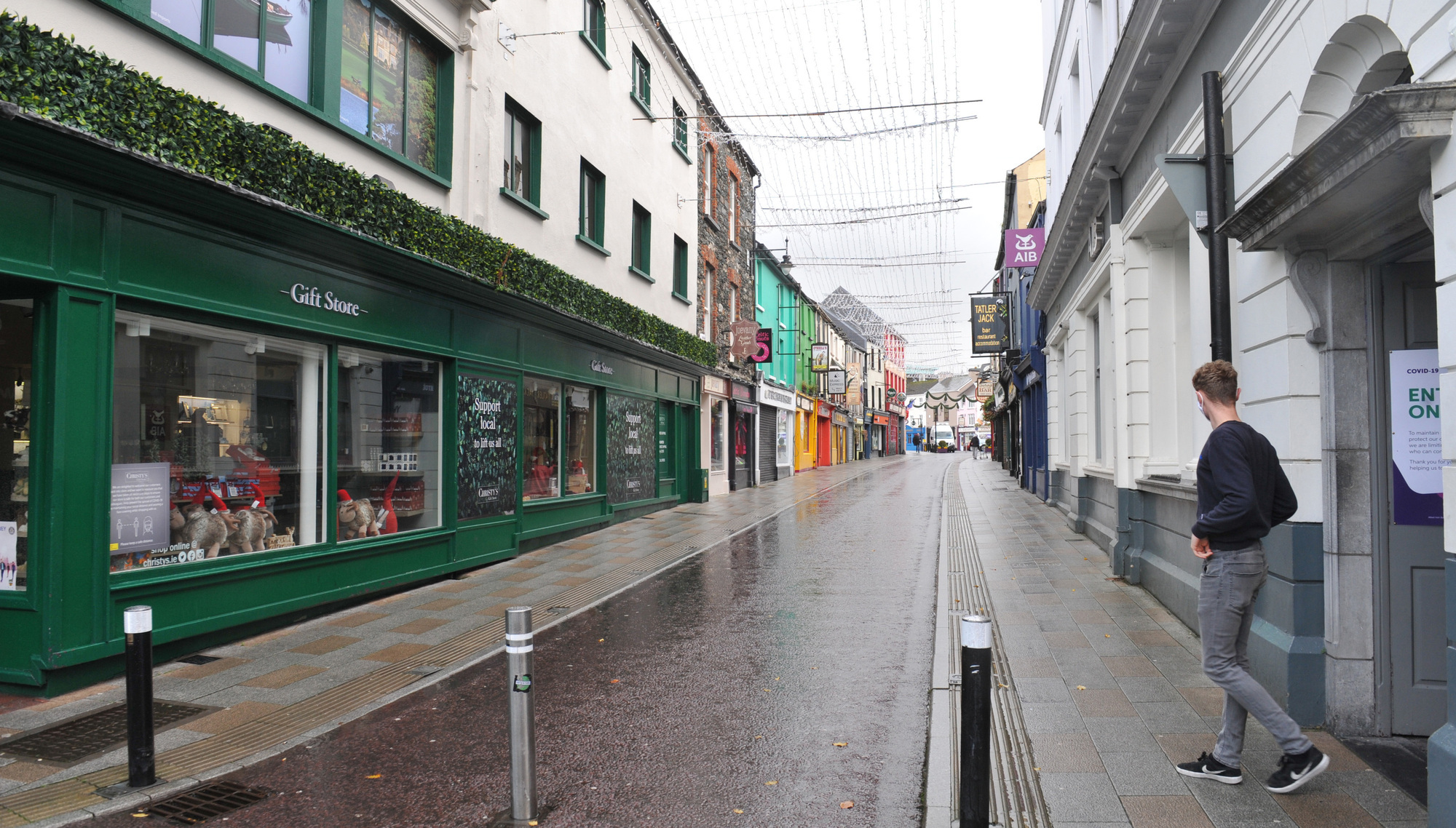
When we allow long-term homes to become de facto holiday accommodation without proper oversight, we don’t just distort the housing market. We weaken the social and economic fabric of local communities. Picture: Larry Cummins
Housing, or the lack thereof, is a national emergency. Every month, we hit new record highs in the number of people without a secure home — the latest figures released on Friday show there are 17,000 people homeless. In an emergency, we must use every policy lever available to increase housing supply. But supply is not all about construction — it’s also about how existing stock is managed and accounted for.
Government has a duty to ensure existing housing is made available to the long-term market for families and people. The rise of short-term letting of entire homes has further undermined supply and has exacerbated the housing crisis. Strengthened enforcement of short-term letting regulations is not a niche bureaucratic demand. It is a vital, key element in addressing the abject lack of housing options for people.
From May 20, every short-term letting property in the country must be registered with Fáilte Ireland to comply with EU regulations. Each property will need a unique registration number. Online platforms will be required to display it. This should bring greater transparency about our housing stock.
Change-of-use planning permission is necessary to transform a residential home into a short-term tourist let. However, between 2019 and May 2025, local authorities received just 426 planning applications for change-of-use. That was only 1.3% of all short term lets in Ireland at that time. The maths is stark: almost all short-term lets, where the entire house is let, are non-compliant.
Rules without enforcement are not only useless: They effectively signal to owners they can leave homes in their entirety, used as short-term lets for part of the year, to sit idle for much of the time, while thousands of families and people need a home.
The scale of non-compliance speaks for itself. A Department of Housing official, speaking to the Oireachtas Committee on Enterprise, Tourism and Employment, put it plainly: planning rules exist “for a reason”. They exist to assess the property’s impact on the local community and environment, or if it meets fire safety regulations, among other considerations. None of these become less important or allow for the sidestepping of panning permission just because a property is being let to tourists.
This is not just a Dublin story. Rural communities, already struggling with depopulation, risk being hollowed out further as housing that once supported year-round residents is diverted into seasonal accommodation.
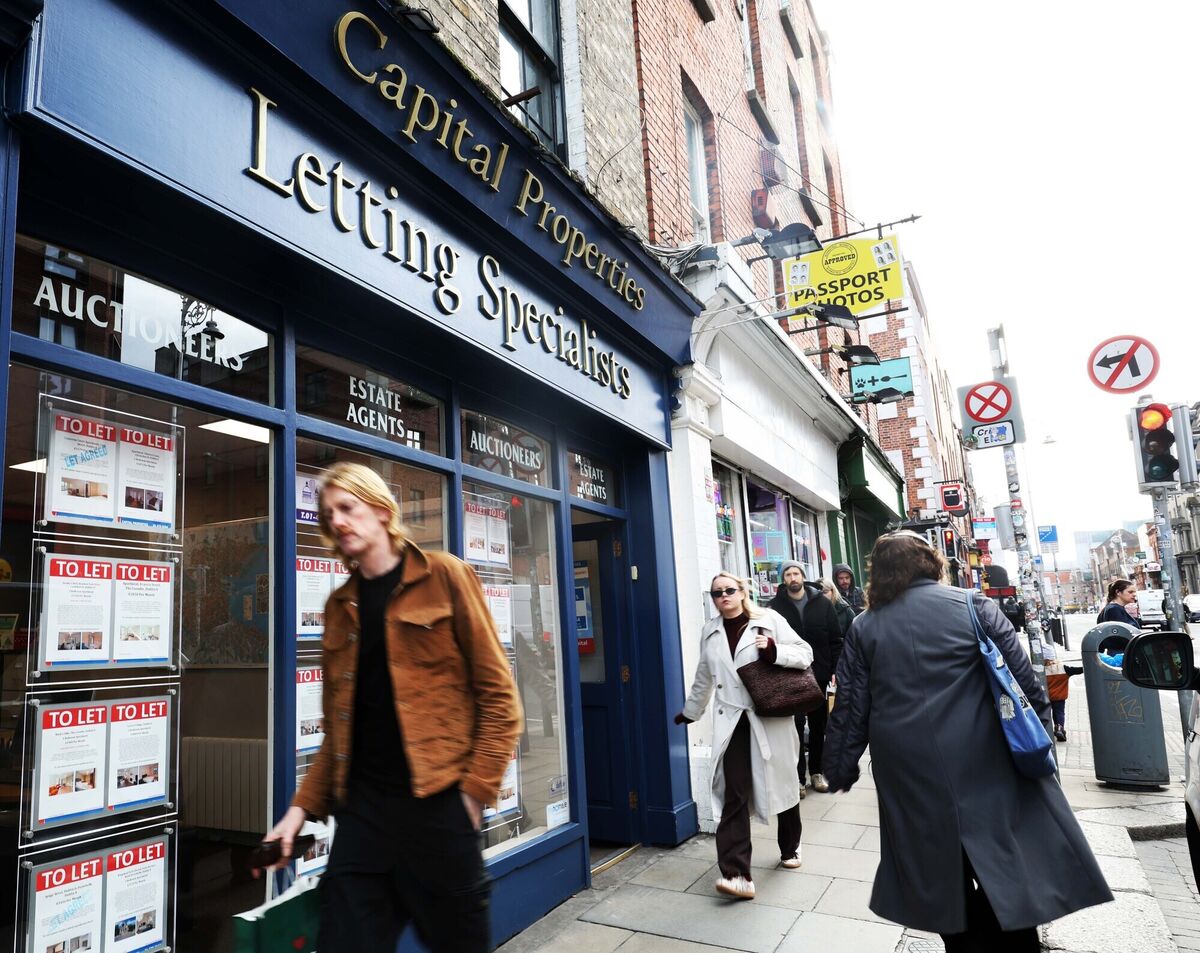
People working in the very sectors supporting such communities — for example hospitality — simply cannot access local housing. There is a bleak irony to the situation being created by the rise of short-term lettings in tourist areas.
Very recently, 14 families in Killarney were subject to a mass eviction from their homes.
River James, a renter and father living in Killarney, who was one of the families to recently receive a notice of termination of their rental lease, noted: “Without the chefs and those working in the service industry, there wouldn't be much to come to Killarney for.”
Fiona Inch, another renter who received a notice of termination for the lease on her family’s home, felt discouraged about being able to find a home in their community: “Either we will have to move to another city or county, or we will have to go back. There is nothing in Killarney.”
When we allow long-term homes to become de facto holiday accommodation without proper oversight, we don’t just distort the housing market. We weaken the social and economic fabric of local communities.
Loosening the planning rules is a step backwards. Threshold is deeply disappointed to discover Government will not protect people in smaller towns when the new planning restrictions on short-term letting will apply. During recent development of the rules, Government signalled there would be restrictions on short-term letting in towns of more than 10,000 people.
The announcement on February 10 that the settlement threshold would be raised to 20,000 people moves even more towns — and therefore people — out of the protections to housing being afforded by the legislation.

So many people and families live in small towns — places that face real housing shortages and rising pressure on local renters. The Government is effectively saying people in housing need in these areas are less important than the imperative to generate tourist revenue.
Threshold urgently calls on the Government to reverse this loosening of restrictions forthwith. In a housing crisis, we cannot afford to exclude an increasing number of communities from rules designed to protect long-term homes.
Ireland must choose what kind of housing system it wants. Is it one in which communities thrive, families can find long-term homes, and tourist rentals operate within a fair, transparent framework?
Or is it one where whole neighbourhoods become ghost towns during the off-season, while homelessness numbers continue to climb? One where more adult children are forced to stay living with parents for longer, and workers — such as in hospitality — are forced to commute longer distances from large towns and cities to their rural, tourist employment?
The raising of the population limit at which the new short-term letting rules apply indicates Government priorities and policy regarding housing and communities. It raises fundamental questions of fairness and sustainability.
If we are serious about addressing the housing emergency, then returning homes back to the long-term market isn’t optional. It is a necessity.
- John-Mark McCafferty is chief executive of Threshold

CONNECT WITH US TODAY



Be the first to know the latest news and updates