Mentally ill people in prisons are being failed
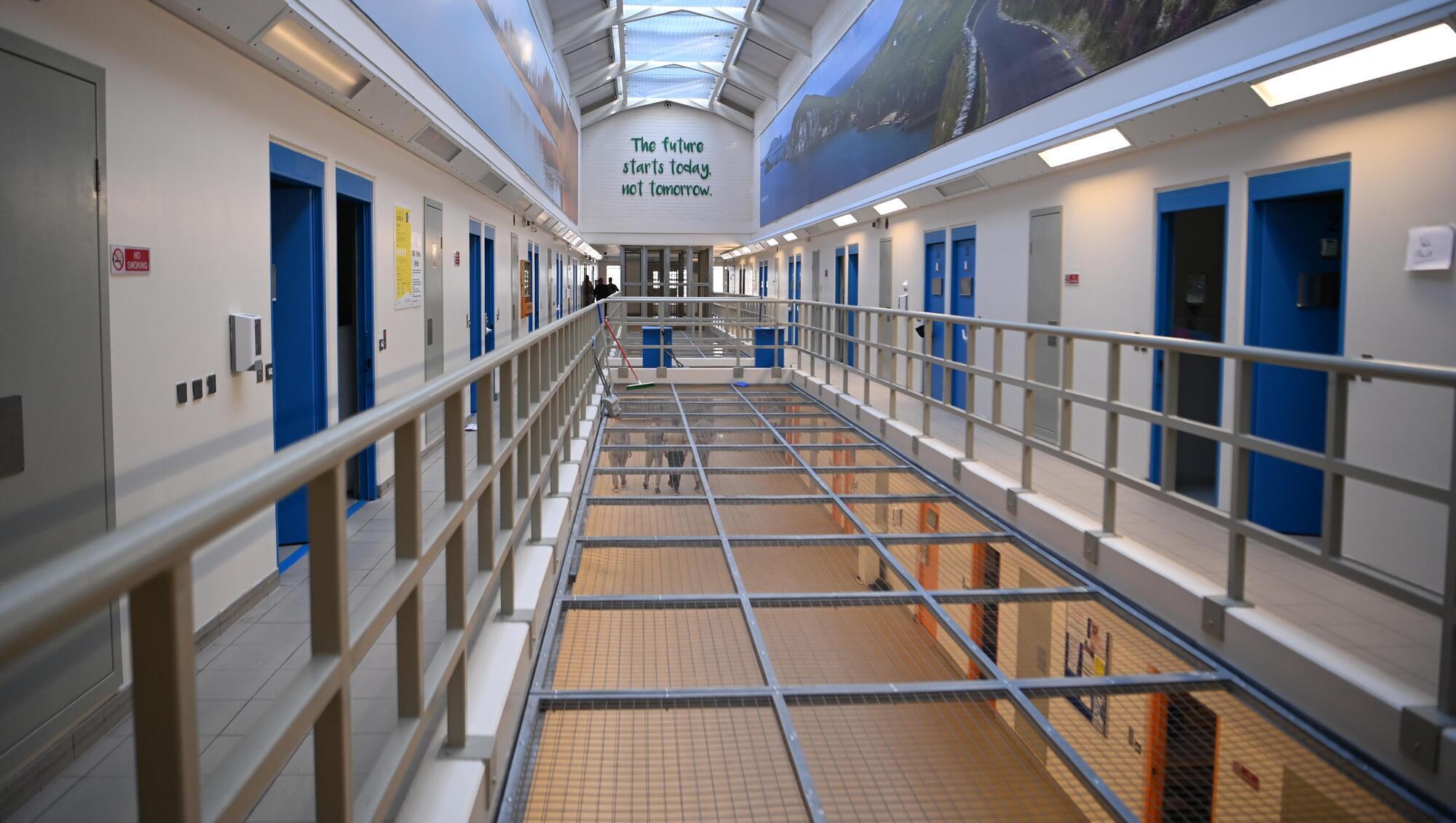
In the absence of appropriate care pathways and properly resourced community psychiatric facilities, our prisons are absorbing the brunt of a mental health crisis they are ill-equipped to manage. File picture: Dan Linehan
Over two nights this week, laid bare an ongoing psychiatric care scandal. In Ireland today, many people with severe mental health problems are not receiving the right care, in the right place, at the right time.
Instead, in the absence of appropriate care pathways and properly resourced community psychiatric facilities, our prisons are absorbing the brunt of a mental health crisis they are ill-equipped to manage.
This is not news to those working on the front lines of care and custody. On a daily basis, members of An Garda Síochána, prison staff, nurses and health care assistants, and psychiatric in-reach teams struggle to manage ill detained people who should be living in therapeutic settings, not contained in police stations or prisons.
Were it not for the dedication of frontline staff, often beyond the call of duty, the situation would certainly be even worse.
Nor should RTÉ’s findings come as any surprise to the minister for justice or the minister for health.
In 2022, when I took up the position of Chief Inspector of Prisons, I was shocked to find numerous people with open, active — and untreated — psychosis being held in Irish prisons.
I commissioned two international psychiatric experts to assist my team to carry out a thematic inspection of psychiatric care in the Irish Prison System. That work was completed three years ago, and our inspection report was published by the minister for justice in February 2024.

We found that, despite the best efforts of many dedicated prison and clinical staff, prisoner-patients frequently experience sub-optimal clinical treatment in short-staffed and anti-therapeutic environments.
Some prisoner-patients experiencing serious mental illness refused the anti-psychotic medication prescribed for them and, as such medication cannot legally be compulsorily administered to them in a non-hospital setting, they languished suffering and untreated in prison.
Many prisoners whom clinicians had deemed to require transfer never actually made it to a psychiatric hospital. Some of these vulnerable and untreated people, on release from custody, remained at high risk of falling through the net of community follow-up, sometimes returning to marginal existences with a high risk of homelessness and substance use, their cycle of re-offending, re-imprisonment and lack of clinical care starting all over again.
Our report made a number of pragmatic recommendations, including on staffing, environmental and treatment issues and the need to create system-wide clinical care pathways to facilitate the swift transfer of people who have mental disorders from prisons to local psychiatric hospitals, as well as to the Central Mental Hospital.
We emphasised that this requires the development and opening of long discussed, appropriately secure, intensive care facilities and/or designated beds in civil psychiatric hospitals. Above all, we stressed the need for a multi-agency approach, including far greater cooperation between the Department of Justice and the Department of Health.
However, as this week’s programmes have highlighted, in the two years since our thematic inspection report was published, the situation has gone from bad to worse.
Clinical pathways for prisoner-patients to receive appropriate psychiatric care have constricted rather than expanded. As highlighted by , the recent suspension of the practice of “therapeutic bail” (judicial permission to bail a person from a prison to a hospital setting), has exacerbated the problem, leading to an upsurge in the waiting list for transfers to hospitals and consigning many more people with mental illness to inhuman and degrading conditions in our overcrowded prisons.
- Mark Kelly is Chief Inspector of Prisons
CONNECT WITH US TODAY



Be the first to know the latest news and updates