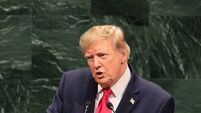
Trump inauguration: Just like the Bush era, the US is once again testing European unity
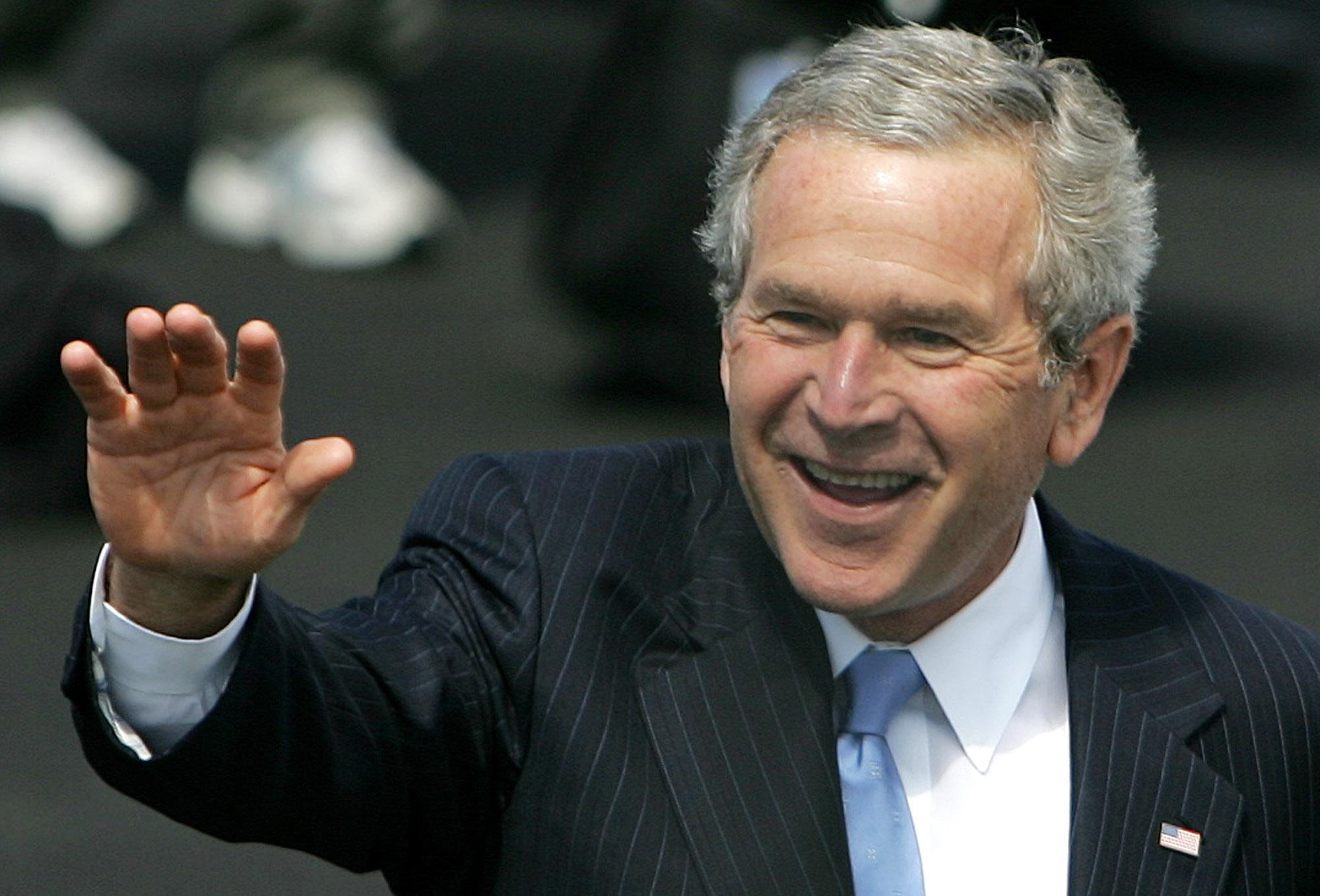
US president George Bush was abetted by British prime minister Tony Blair in the totally unnecessary Iraq war that cost millions of lives.
A mercurial American leader ridiculed outside his own land, conflict in the Middle East, a cosy bromance with Vladimir Putin, and a deep suspicion of so-called ‘Old Europe’...
Europe has got to do it all over again, but this one has been brewing for decades.
History has a fascinating tendency to repeat itself. We’ve been here before.
In 2025, European leaders could be convinced it is the beginning of the 21st century once more, when the much maligned and lampooned George W Bush forged an unlikely path to the White House in 2000.
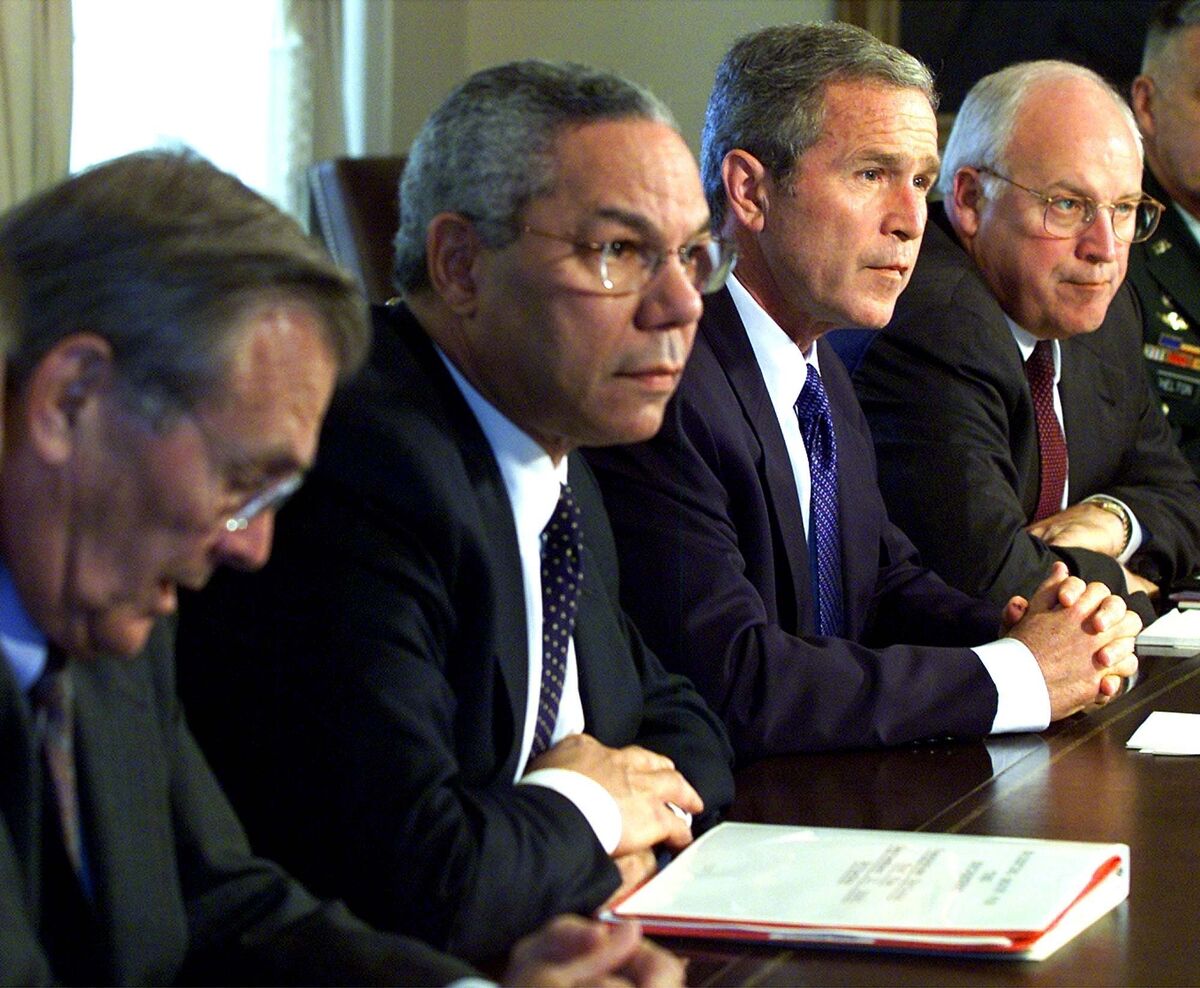
The team built by Dubya — as the younger Bush was known in a crude attempt to downplay both his intelligence and influence on world affairs — made European leaders think about its role in the new century, and how to navigate the vagaries of a US leader whose unpredictability was both maddening and dangerous.
Partnership with Europe went out the window when it came to American leaders in the new century.
In 2003, from an American perspective, it was all-out war with Iraq — or, more accurately, an invasion of a nation without the backing of the UN — and to hell with what Europe thought.
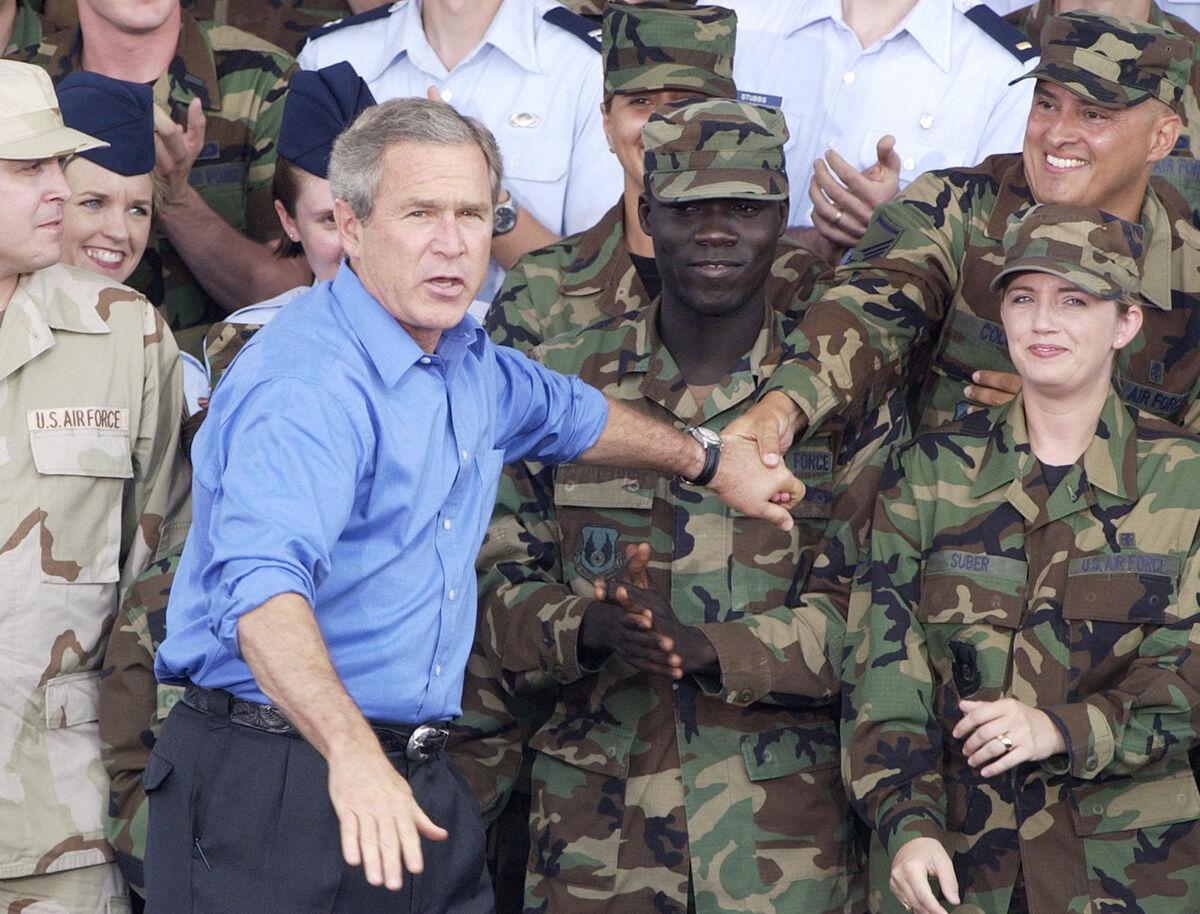
For all of Donald Trump’s personal failings, and there are many, he never forced a prolonged sense of crisis like Bush Jr.
The singular path of destruction taken by Dubya and his team of neo-conservatives tore the Middle East asunder in the first decade of the new century, and it still reverberates today.
The ghosts of the Middle East have never gone away in the 22 years since Bush, vice president Dick Cheney, and defence secretary Donald Rumsfeld blew up all conventions of international law to invade Iraq and depose dictator Saddam Hussein without any plan to deal with the deadly hornet’s nest in the aftermath.
German and French leaders were left out in the cold in 2003, mocked as inconsequential and feeble ‘Old Europe’ by Rumsfeld, signifying that Europe was no longer a cherished partner of the US as it had been for a century.
British prime minister Tony Blair went along for the American ride, obliterating his legacy in the process as millions died in a conflict now seen as totally unnecessary and destabilising for world peace.
Donald Trump may not have the heart of a warmonger but he sees Europe in similar lines as Bush — if you’re not with us, you’re against us.
Eight years ago, upon Trump’s elevation to the Oval Office, he was seen as a cartoonish clown show, a bombastic caricature of American swagger and deluded self-confidence.
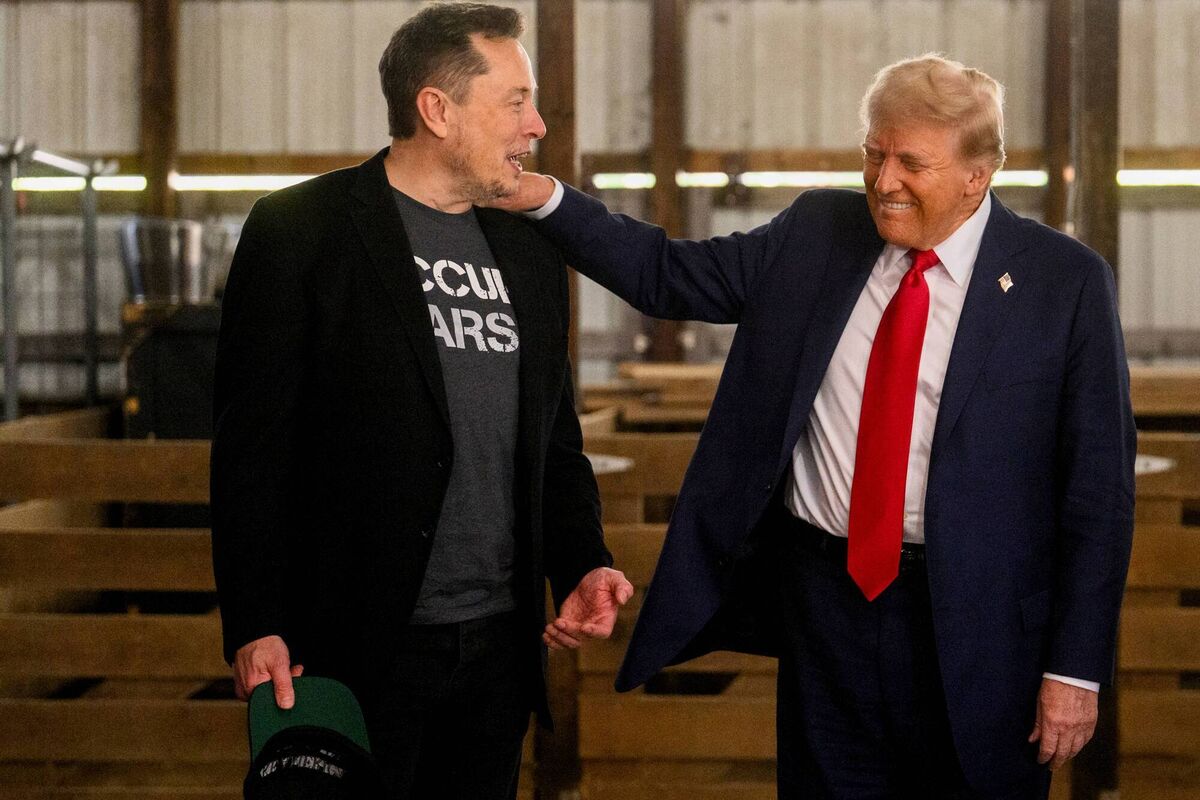
European leaders felt emboldened to mock the American at global gatherings, turning their nose up at his team, including daughter Ivanka, in the belief that US voters would come to their senses by 2020 and reject the grotesque experiment with celebrity politicians they had flirted with four years prior.
This time, in 2025, it is a far graver situation that European leaders must navigate.
Old Europe has its own internal struggles to tread as it tries to map out four new years of an emboldened Trump regime, with the power of the ‘technigarchy’ in tow. Elon Musk, Mark Zuckerberg, and the rest have bent the knee to Trump and have European governments in their sights.
Ireland is not immune.
What Trump says goes, or what Musk and Zuck want, Trump will go along with it. The symbiosis is all but complete. It’s a Trump and Musk world now.
In Europe, the political winds have shifted rightward as electorates bristle at tough but necessary climate action, a continuous refugee crisis that sees thousands of newcomers every week, and protections for marginalised people enshrined in law.
To the east, Vladimir Putin — once referred to as “my friend” by Bush, who claimed he got a “sense of his soul” upon meeting in 2001 — is still wreaking havoc on the continent as Russia continuously bludgeons Ukraine.
Italian prime minister Giorgia Meloni, Hungarian strongman Viktor Orbán, and Slovakian leader Robert Fico have tested the mettle of European unity, while Britain decided to forge its own path from 2020 onwards. Romania looks like it is following suit, as a political crisis unfolds in real time.
German and French leaders are at a loss as to how to fend off the continual advances from the far right, who have been legitimised by rhetoric from Trump and his new cadre of loyalists that enter the White House this week, while their economies sputter and wheeze as legacy industries such as car manufacturing falter.
Ireland’s reliance on foreign direct investment from the US, including major tech giants, cannot be taken for granted.
The technigarchy currently has Europe in a vice and wants to squeeze hard. It is going to take considerable political skill from Micheál Martin and Simon Harris to walk the tightrope of appeasement and pushback.
Riding out four years of a Trump presidency in the belief that the pendulum will swing back to the centre or even left is the equivalent of a Hail Mary hit-and-hope pass for European leaders.
Their political nimbleness and instincts will be tested like never before in the next four years. European unity was hard-won but is fragile.
This is no time for complacency. This is no time for underestimating Donald Trump.
Read More

CLIMATE & SUSTAINABILITY HUB
CONNECT WITH US TODAY



Be the first to know the latest news and updates