Catherine Conlon: Are planes falling out of the skies?
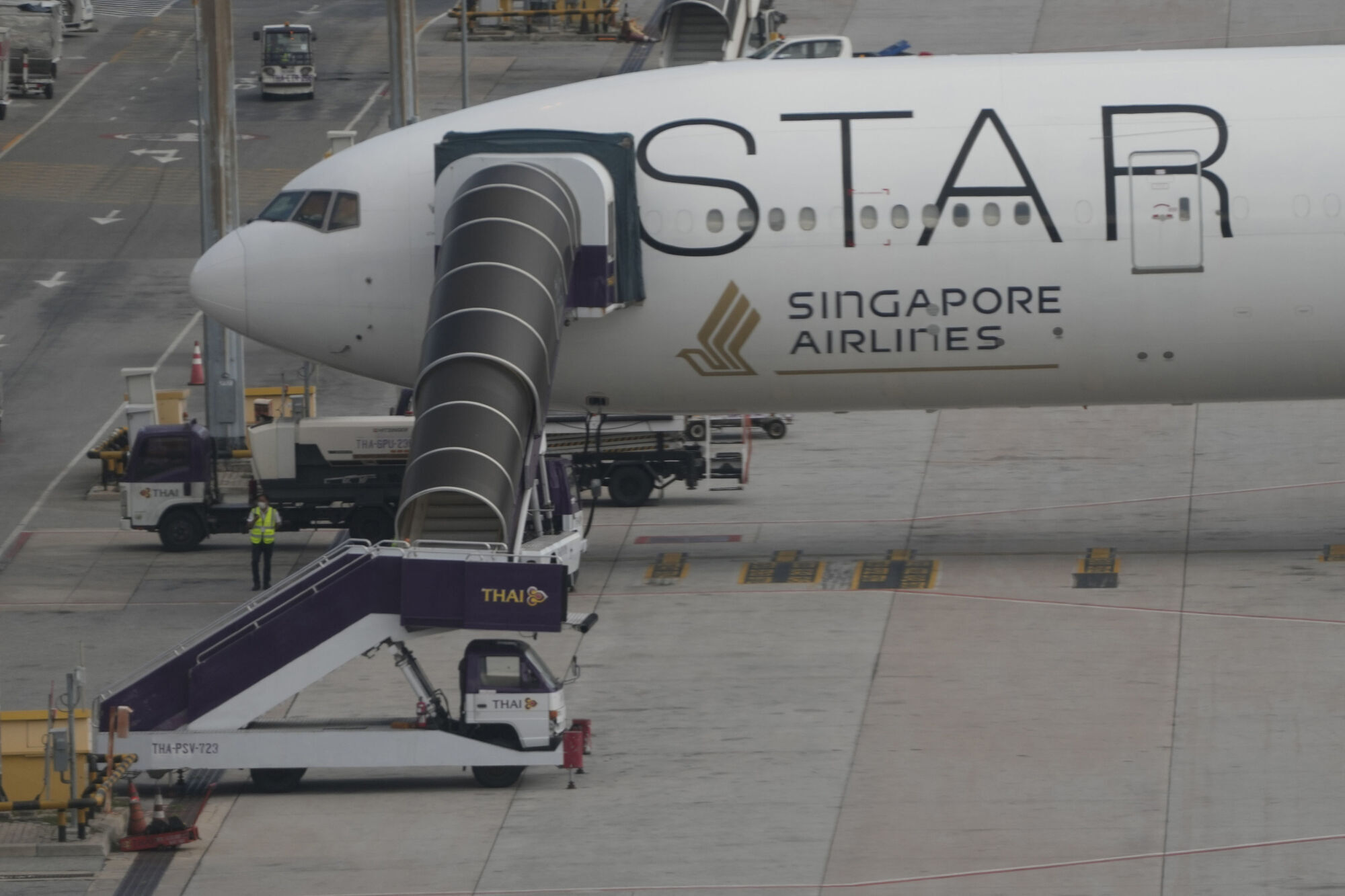
The Boeing 777-300ER aircraft of Singapore Airlines flight that encountered severe turbulence last week. The Singapore Airlines flight descended 6,000 feet (around 1,800 meters) in about three minutes, the carrier said. Photo: AP/Sakchai Lalit
As I write this, biblical rain pours down, lightning streaks flash across the sky and roads, fields and homes are flooded across the county — again.
Heat, rainfall and weather events continue to break records all over the world. Sea temperatures are rising, oceans are acidifying, animals are falling out of trees as they overheat while a million species are at risk of extinction.
Mexico is experiencing the hottest temperatures ever recorded as the country broils in an ‘unprecedented’ heat wave. The country has been reeling from a high-pressure ‘heat dome’ which has trapped hot air over the country, creating record breaking temperatures that have surpassed 45C in some places.
The US National Weather Service forecasters, NOOA predicts an above normal 2024 Atlantic hurricane season, with an 85% chance that hurricane activity this year will include up to 25 storms and up to 13 hurricanes.
Meanwhile our culture, our politicians, our respected national and global icons stay silent. They refuse to educate themselves, refuse to raise the alarm and the majority of our citizens do the same as we relentlessly pursue profit, growth and comfort over climate and nature stability.
CLIMATE & SUSTAINABILITY HUB
What is unfolding all around us is worse than any disaster movie and we are doing almost nothing about it. Even the way we talk about is at if it isn’t real. That we have one life and make the most of it while you can.
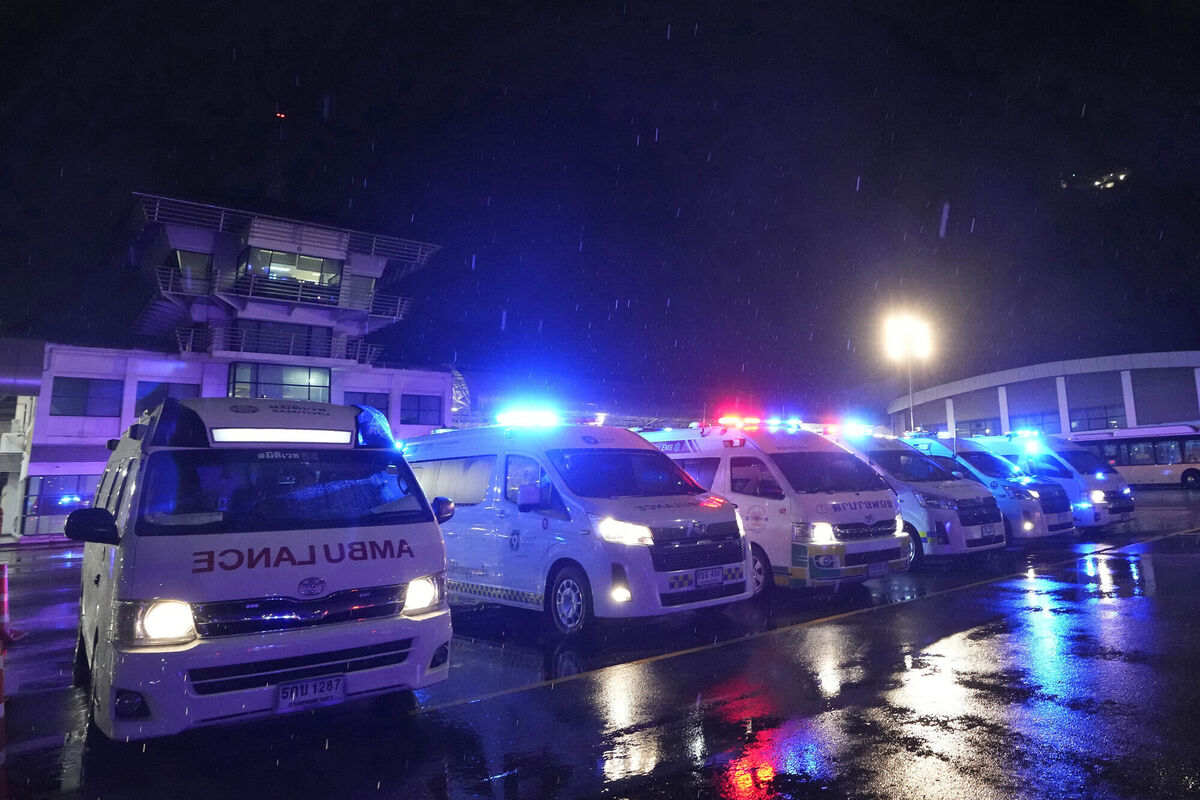
But the event that is making all of us at home sit up and listen is turbulence. Eight passengers were taken to hospital on Sunday after a flight from Doha to Dublin experienced turbulence. Passengers on the flight described the incident as frightening, many said the flight seemed to drop out of the air for up to 20 seconds.
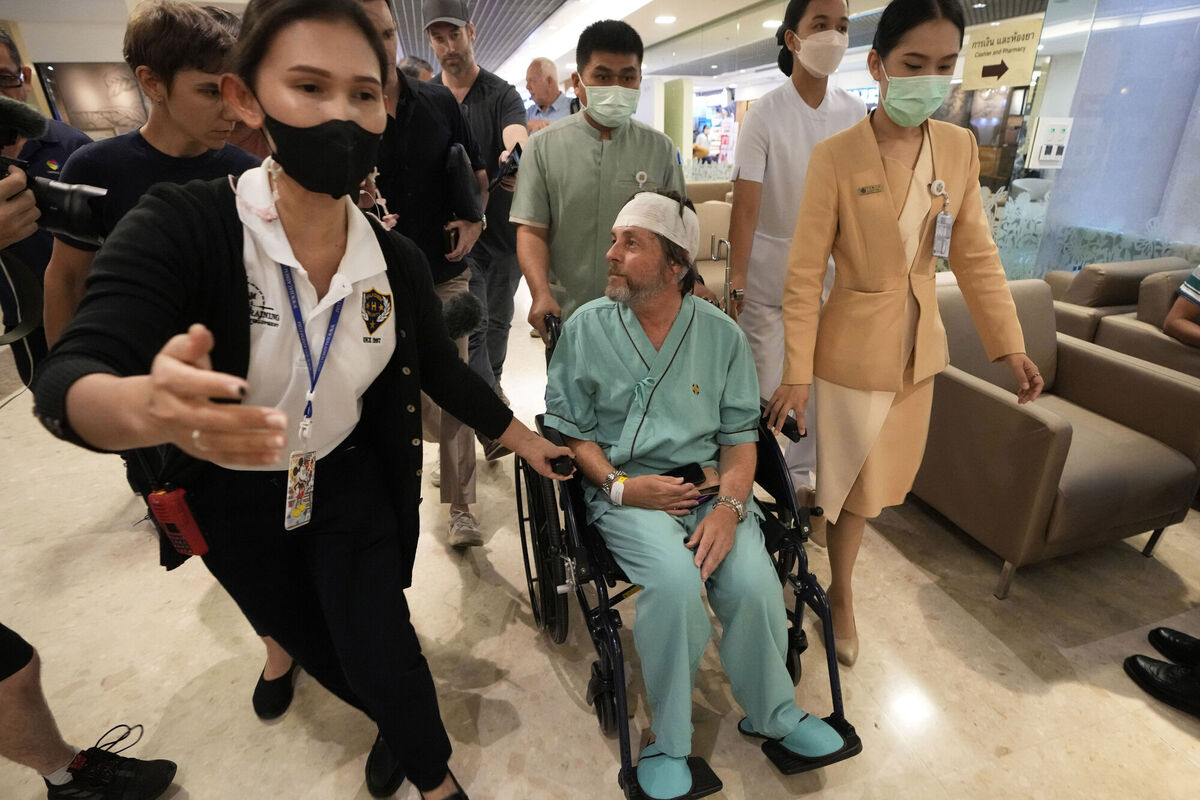
The incident comes a week after a passenger died and dozens were injured when a Singapore Airlines flight hit severe turbulence. The flight from London and bound for Singapore fell into an air pocket while cabin crew were serving breakfast before it encountered turbulence, prompting the pilots to request an emergency landing in Thailand.
Most flights experience some level of turbulence. Near the ground, strong winds can cause turbulence on take-off or landing. At higher altitudes, up and downwards flows of air in storm clouds can cause mild to severe turbulence as planes fly through or near them.
Air flows that move upwards over mountains can create turbulence. Clear-air turbulence can also occur at the edges of jet streams. But climate change is making turbulence much worse, according to atmospheric scientist Professor Jung-Hoon Kim at Seoul National University in a report in Nature earlier this month.
Atmospheric researchers at Reading University in the UK reported in 2023 of large increases in clear-air turbulence between 1979 and 2020. Over the North Atlantic, severe clear-air turbulence became 55% more frequent with similar increases in turbulence across the globe.
Study author, Professor Paul Williams told Nature that the increase is almost certainly due to climate change, which is strengthening the jet streams that cause turbulence. ‘We already know it’s having an impact,’ Prof. Williams said.
In a previous study, Prof. Williams used a climate model to predict that clear-air turbulence would become more severe and more frequent as the climate warms.
However, he moderated this by saying that despite the probable rise in turbulence, most flights will carry on as they do now — with light or moderate turbulence.
‘It is not that we’ll have to stop flying, or planes will start falling out of the sky. I’m just saying that for every 10 minutes, you’ve spent in severe turbulence in the past, it could be 20 or 30 minutes in the future,’ concluded Williams.
While radars can predict turbulence based on storm clouds, radar cannot detect cloudless clear air turbulence. Another technology called LiDAR could help, according to Prof. Williams. LiDAR is similar to radar but uses a different wavelength of light.
Unfortunately, it’s expensive and requires a big heavy box. Prof. Williams suggests that if the box could be miniaturised and the costs come down, it could soon be used. In the meantime, ‘I hope that everybody when they travel, please fasten your seat belts,’ Prof. Kim told Nature.
We know that global warming is caused by greenhouse gases that have been accumulating in the atmosphere over hundreds of years. What is less well known is that almost all (92%) of the total global emissions in excess of the planet’s capacity have been caused by the rich nations of the Global North.
States like the UK, the US, Canada and Europe. Oxfam reported last year that the US alone is responsible for 40%.
Who is responsible for ensuring that we are subsumed by such carbon intensive lifestyles? Climate activist, Mikaela Loach in It’s Not that Radical (2023) spells it out.
"It’s the lobbying groups. It’s the capitalist, climate-delaying or climate-denying right wing think tanks. It’s the fossil fuel industry. It’s every government that has continued to build unnecessary fossil-fuel infrastructure when they know that we need to choose other options.
"It’s the automobile industry. It’s the aviation industry. It’s the plastic industry. It’s every single extractive, polluting body in the world."
In Ireland, it includes the vested interests that support the beef and dairy sector and the politicians that continue to spout that in the middle of an accelerating climate emergency "there’s no need to cut the national herd".
"It’s the aviation sector that continues to pursue the removal of the cap limiting Dublin Airport to 32 million passengers per year. Ryanair chief Michael O’Leary accused Minister Eamon Ryan recently of failing to implement Ireland’s aviation policy which is to ‘grow traffic, grow aviation jobs and grow the contribution of aviation to the Irish economy'."
He is right about one thing — our industrial society is addicted to exponential economic growth and politicians need to promise ongoing exponential growth to get elected.
We are faced with this now global emergency because of the continual pursuit of more and more extraction, more consumption, more economic growth regardless of the cost. In This Changes Everything (2015), Naomi Klein spells out what is needed.
"If we continue with business as usual, the result isn’t that the world as we know it will simply continue; predictions of climate modelling by scientists have shown that the destruction caused by warming will leave us with a markedly different Earth.
"The other option is to drastically change everything we know to tackle the crisis, to tackle injustice and transform the world to a system that works for and protects the people and the planet.
"If we want the world to be transformed; if we want a liveable future; if we want a world where we are all respected and safe, then we must all take action now."
Perhaps the threat of planes falling out of the skies as we criss-cross the globe is the wake up call governments need to radically transform the way we do business. In the meantime, when I decide to board a plane, I’ll keep my seatbelt fastened.
- Dr Catherine Conlon is a public health doctor in Cork
CONNECT WITH US TODAY



Be the first to know the latest news and updates