Japan is the only rich country to get rich without getting fat – how did they do it?
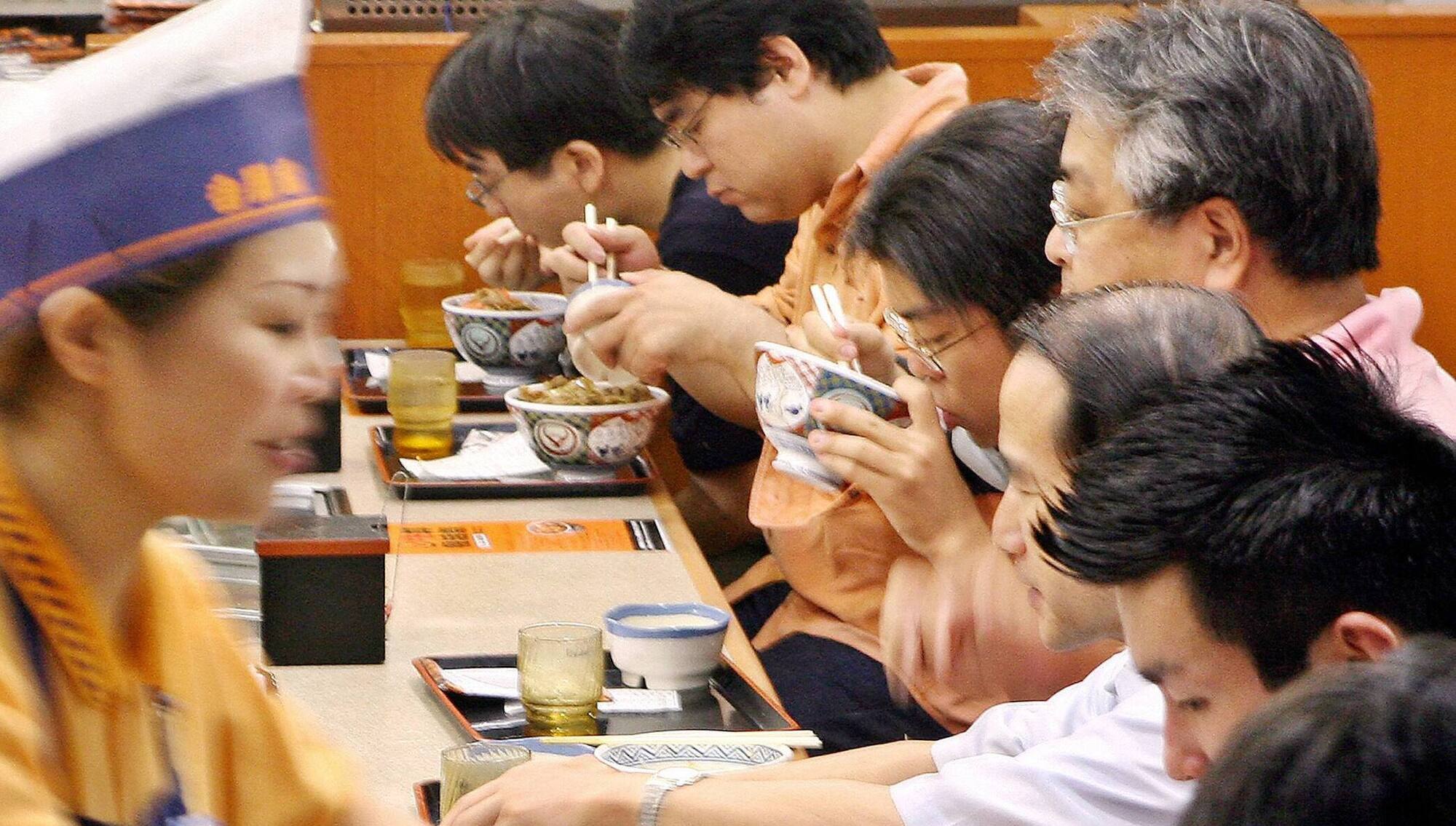
In Japan, just 3.6% of its population are obese, compared to 23% of adults in Ireland, 26% in the UK and almost half (42.5%) in the US. Photo: Yoshikazu Tsuno/AFP/Getty Images
Operation Transformation has finally been axed. After 17 years of lycra, calorie restriction, exercise, admonitions and very public weekly weigh-ins, RTÉ has finally pulled the plug as part of a ‘refresh and renew’ programme drive.
With an emphasis on individual behaviour and ‘eat less, move more,’ now seen as simplistic and body-shaming, the show has received persistent criticism from obesity experts and eating disorder groups, culminating in an open letter to RTÉ director general Kevin Bakhurst from health professionals.
"It lacks any independent longitudinal, peer-reviewed research that unequivocally confirms the safety or effectiveness of its intervention in achieving long-term weight loss or improved health markers for the participants, viewers or general public," the letter said.
The show received criticism earlier this year from lecturer in nutrition and exercise science at South East Technological University, Aoife Hearne, a former member of the OT expert team, because she was not allowed to share information about the new wave of weight loss drugs that are transforming obesity treatments with participants.
But obesity has not gone away. The latest evidence from the Global Burden of Disease Study (2021) indicates that while life expectancy across the world is expected to increase by almost five years by 2050, this improvement is at a slower pace than in the three decades preceding the covid-19 pandemic.
Global life expectancy is forecast to increase from 73.6 years in 2022 to around 78.1 years in 2050. But global healthy life expectancy — the average number of years a person can expect to live in good health — will only increase by 2.6 years (from 64.8 years in 2022 to 67.4 years in 2050).
The research published in the Lancet earlier this month, concluded that the total number of years lost due to poor health that are attributable to risk factors such as high blood pressure, high blood sugar and body mass index (BMI) has increased by almost 50% (49.4%) in the last two decades since 2000.
In other words, risk factors of high blood pressure, body weight and blood sugar are playing an increasing role in the number of years that people are spending in poor health as they age. The analysis was based on 88 risk factors in over 200 countries and territories over 30 years from 1990 to 2021.
In simple terms, tackling overweight, obesity and its increasing impact on chronic disease as we age means tackling the toxic food system we live in – not by blaming individuals but by transforming the way food is made, marketed, packaged and consumed.
It is easy to be overwhelmed by the enormity, some would say impossibility of this task. But there is one rich country in the world that has managed to get rich without getting fat.
In Japan, just 3.6% of its population are obese, compared to 23% of adults in Ireland, 26% in the UK and almost half (42.5%) in the US. Not only that but obesity in Japan is falling from this already miniscule rate at a rate of about 0.8% per year.
Added to that, this spectacularly healthy food culture is relatively new. In the 1920s in Japan, life expectancy in Japan was 47, fish was eaten about once a week and meat rarely.
After the defeat of Japan in the Second World War, when the country was on its knees, the new democratic government realised that the health of the people was a priority and the transformation of the food culture began. This is very encouraging — in that with sufficient political will, food habits can be transformed.
So what do the Japanese eat that keeps obesity levels so low compared to the rest of the industrialised world? Writer, Johann Hari in (2024) went to Japan to find out.
The first thing that he noticed on his first morning in his Tokyo hotel was that there were two breakfasts laid out side by side. One was for Japanese guests — grilled fish, pickles, and tiny bowls of soup. Beside that was the breakfast for Western guests — scrambled eggs, French fries, bacon, pancakes and buttered toast.
Hari visited the Tokyo College of Sushi and Washoku to talk to respected teacher of Japanese cuisine Masaru Watanabe.
"The Japanese cuisine’s core feature is simplicity," Masaru explained. "For us the simpler the better."
Sushi, for example is just a bowl of rice and sliced fish. But the simpler it is the more difficult to prepare because more attention has to be paid to every detail to "make every flavour fire".
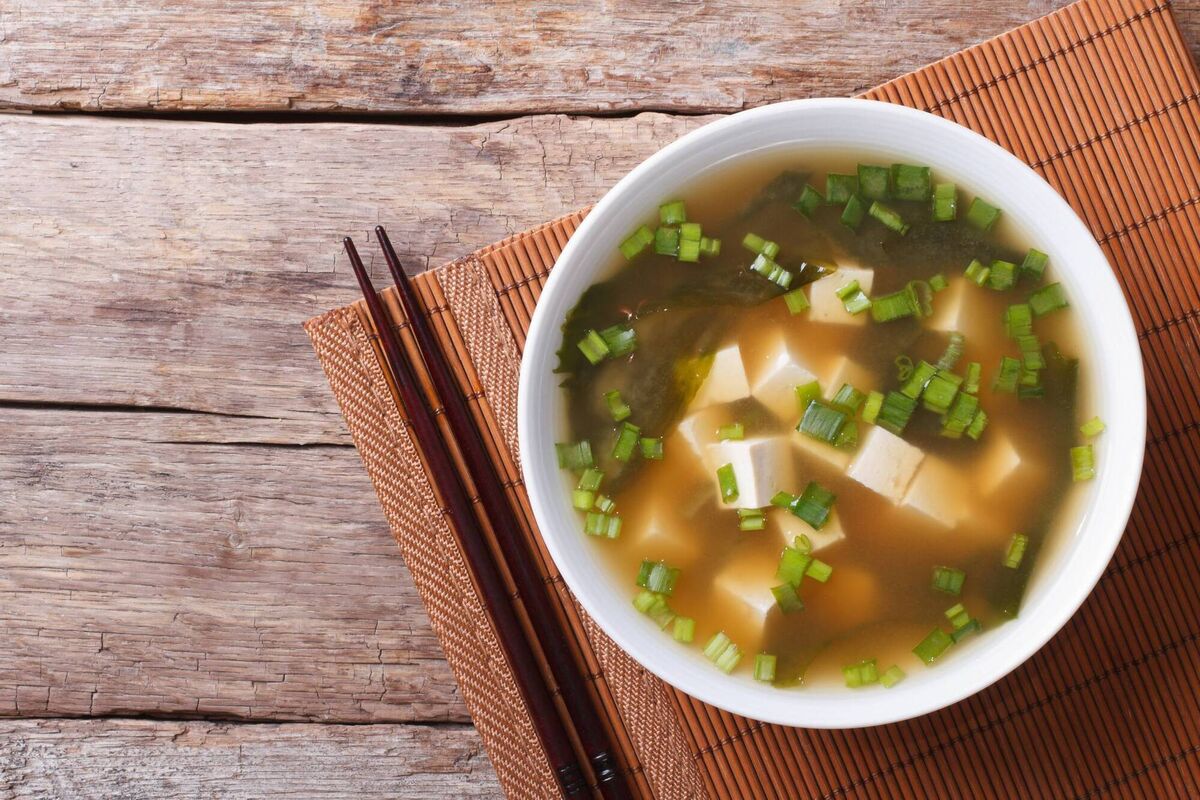
A typical Japanese meal Masaru outlined for lunch might include grilled mackerel, boiled rice, miso soup and pickles. Small portions but maybe five in a typical meal. This means every meal has more (about 60) ingredients compared to a classic French meal of about 20 ingredients.
Hari learned that the Japanese diet is mainly fish and vegetables, "not milk and butter and meat".
Masaru explained to him that each meal should have "five tastes, five skills and five colours". Five tastes include sweet, salt, sour, bitter and umami (a kind of savoury). Five skills include cutting, simmering, grilling, deep-frying and steaming. Five colours include black (seaweed), white, green, yellow and red.
Another key element is a focus on fermented foods — such as pickles and a typical Japanese dish called natto. Increasingly, evidence is emerging that fermented foods are key to a healthy microbiome.
Finally, Japanese food is full of dishes that create satiety or fill you up, even in small portions — fish, beans and vegetables.
When Hari visited a local supermarket, he found it filled with vegetables, fresh fish, fermented foods and fruit. In terms of processed foods, "there was a small section marked ‘processed foods’ with a few tins and packages".
This would be incomprehensible if you walked into a supermarket anywhere in Ireland, UK or Europe.
Every Japanese school employs a nutritionist by law who oversees the cooking of the school meal that is eaten by everyone — pupils and teachers alike. Processed food is forbidden.
Everything is made from scratch as children are taught about the value of healthy ingredients from an early age and their palates are trained to prefer fresh healthy foods to processed foods that are associated with poor health.
When school kids were shown pictures of typical American and British school meals, they were typically horrified. "Oh my God!" one boy cried in English. "It looks disgusting."
Japan is the only rich country in the world that got rich without getting fat. Isn’t it time we challenged the profit-driven food industry to dispense with cheap unhealthy food that is the cause of an epidemic of obesity and chronic disease?
Ireland has shown itself to be a template for robust public health policy in terms of smoking, alcohol and now vaping that has been copied across the globe. Isn’t it time we did the same with food?
- Dr Catherine Conlon is a public health doctor and former director of human health and nutrition, safefood

BLACK FRIDAY
Already a subscriber? Sign in

CONNECT WITH US TODAY



Be the first to know the latest news and updates