'Parents left in limbo' as childcare providers cannot support complex needs

Early intervention classes have been repurposed or closed in recent years. Picture: iStock
Families are being left without support as childcare providers and pre-schools have no clear alternative to refer them to when they cannot meet a child’s needs, an expert has warned.
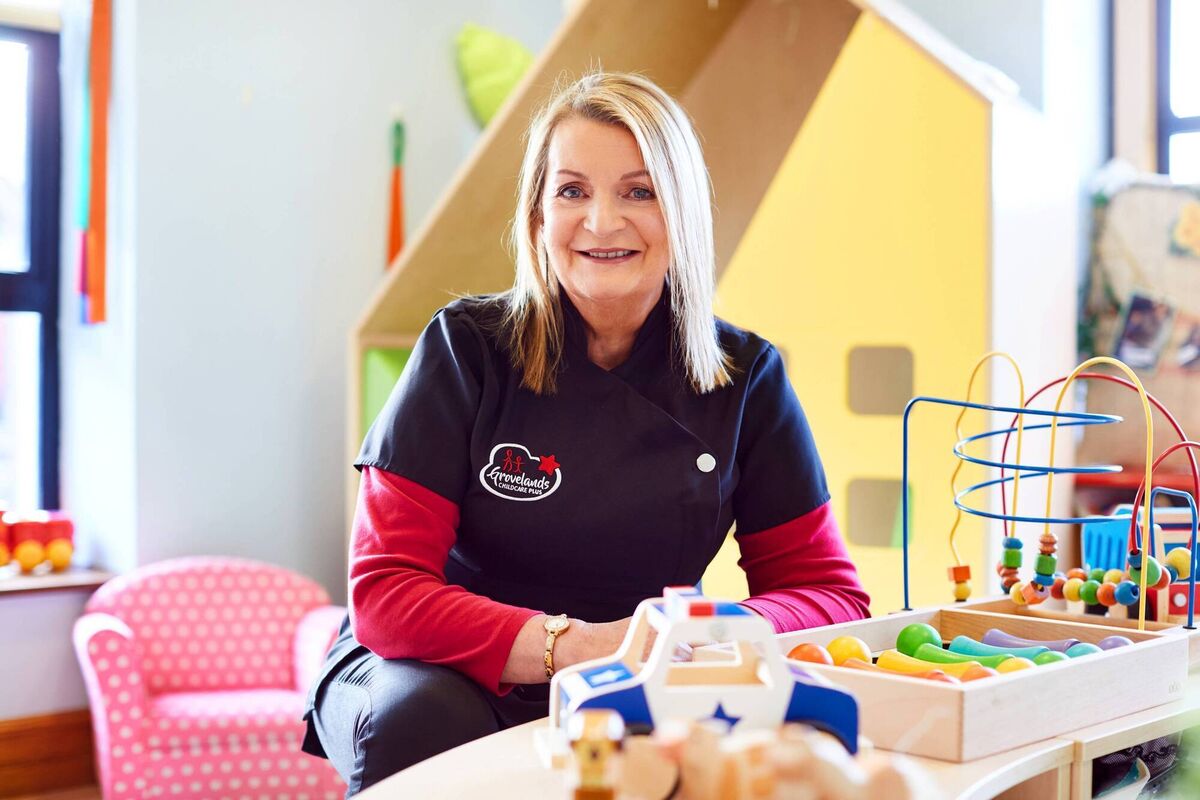
A structured national referral and placement pathway for children with the most complex needs is urgently required, according to Regina Bushell, managing director of Grovelands Childcare.
Read More
Childcare providers have been forced to make the difficult decision to cease a child’s placement as they cannot meet their needs with the supports available to them, she warned.
“We have nowhere to tell them where to bring that child to. If they leave our service, those parents and that child are in total limbo with no supports.”
It comes as early intervention classes have been repurposed or closed in recent years. These classes provide more individual support than is available under the Department of Children’s Access and Inclusion Model (AIM) to children with the highest level of needs.
The Department of Education has previously been accused of “quietly phasing out” early intervention classes, which are for pre-school classes for children aged between three and five.
They are staffed at a ratio of one class teacher and two special needs assistants to six children.
In recent years, many early intervention classes have been ‘redesignated’ as primary school autism classes, and new classes have not been opened at the same rate.
Meanwhile, the number of autism primary school classes has essentially doubled since 2020, from 1,319 to 2,629 in 2025.
“We do everything possible to support inclusion, and that looks at reducing the ratios and adapting the environments, and working with AIM, and working with Better Start and the therapists,” Ms Bushell said.
“At the end of all that, if a child is still there and we’re not meeting that child’s needs, we know that they need that early intervention, and that they need it very early in order to make a difference in their lives.
“If they don’t get that support early on, they may not thrive in the way that they could.
A spokeswoman for the Department of Children said the goal of AIM is to “empower providers to deliver an inclusive pre-school experience, ensuring that every eligible child can meaningfully participate in the Early Childhood Care and Education (ECCE) programme” in mainstream settings.
“Since AIM was first launched in 2016, more than 41,100 children have received targeted AIM supports in over 4,900 settings nationally and many more children have benefited from its universal supports.
“Where providers experience difficulties in meeting a child’s needs, they are encouraged to access expert early years educational advice and support from the early years specialists at Better Start.”
An independent review found AIM to be an “effective and appropriate” model for supporting inclusion in mainstream pre-schools, she added.
A spokesperson for the Department of Education said it works in close co-operation with the Department of Children and other relevant bodies to support children with additional needs:
“Both departments remain committed to strengthening co-ordination across services to ensure that children and families receive timely and appropriate supports.”
- Jess Casey, Education Correspondent


CONNECT WITH US TODAY



Be the first to know the latest news and updates