Greece gets a ‘water boarding’ as it strives to stay afloat
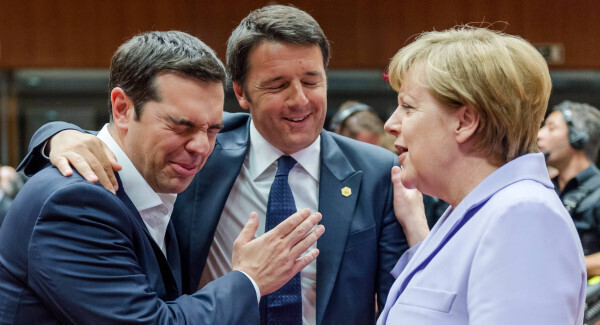
GREECE just got to the starting line after 17 hours of what was described by one EU diplomat as “water boarding” on its path to staying in the eurozone, writes Ann Cahill

Greece gets a ‘water boarding’ as it strives to stay afloat

The way ahead is littered with obstacles, any one of which could torpedo the Greeks’ plans. And even if they manage to achieve what is in effect a big chunk of their bailout programme, they could still fail the final test.

Prime minister Alexis Tsipras is reasonably well assured of crossing the first major hurdle of getting a majority of the Greek parliament to vote for the seven pages of mammoth legal changes to his country.

He is expected to lose some more of his own Syriza MPs in the vote, but the opposition parties centre right New Democracy and centre left Pasok together with the liberal Potami have said they will support him.

Then for the next three days it will be over to parliaments in eight countries that plan to vote either before the full house or in committee before the end of the week. France, Germany, the Netherlands, Austria, Estonia, and Slovakia are all expected to give the green light.

The only parliaments there is a slight doubt about are those of Latvia and Finland. In the latter, the government coalition party, True Finns, is eurosceptic and would relish an opportunity to force Finland to veto the programme.

Ireland plans to debate the details of the programme when it is finalised when the Dáil resumes in September.

In the meantime, the Greek government is desperately trying to reverse some of the pension and labour law reversals they made that the previous government had introduced as per the second bailout programme.

They need also to eliminate a number of Vat rates, increase the rate on hotels, restaurants and the islands — all decried as affecting the tourist industry that accounts for 7% of their GDP and is their main source of external revenue.

They must begin reforming their pension system that is broke, partly due to money being invested in hedge funds, partly to too many people taking early retirement, partly due to a fall in pension contributions for a variety of reasons associated with the ongoing crisis.

This will also include scrapping a tax top-up of about €230 a month that will severely affect those on minimum pensions, such as widows, and increase the already high number — about 30% — at risk of poverty in the country.

The issue of the Greek statistical agency is still on the table — its cooked figures hid the fact that the country’s economy was going into meltdown, but it is still not fully legally independent of the politicians.

Greece must pass laws creating a fiscal council, similar to the one set up in Ireland, and it must be fully working before the programme for the third bailout is signed. And Greece has to find a way of semi-automatically cutting spending if the state’s budget is failing to be in surplus — 1% this year increasing to 3% in two years time.

By the middle of next week they have to adopt a code of civil procedure that is a major overhaul of procedures and arrangements for the civil justice system — a bone of contention with most Greeks.

While some of the legislation has been drafted, there is still an enormous amount of work to be done and the Greeks are relying on the European Commission to help. They will be extra vigilant, as in the past when the documents prepared with help from Brussels were translated into Greek, the Eurogroup found what they described as “little torpedoes” in them.

Only when all this is done will eurozone finance ministers take the formal decision to begin to negotiate a memorandum of understanding — the programme itself for the €86bn bailout — most of which will go to pay off the IMF and ECB as well as restructure banks.

The conditions as agreed by the eurozone leaders in what Taoiseach Enda Kenny called a “bruising experience”, include many more and detailed measures — such as Sunday opening and sales allowed at any time of the year, two things that do not happen in many EU countries including Belgium, France, and Germany.

The government commits to surrendering its sovereignty and agreeing to have the European Commission study any ideas for legislation before it is presented to the parliament.

Apart from the privatisations and the labour market reforms, in a move first put forward by the Finns five years ago to get collateral to underpin loans, the Greeks have committed to transferring valuable state assets to an independent fund that will sell or lease them out. They plan to raise €50bn, half of which will be used to repay the loans to recapitalise the banks, a quarter to pay down debt, and the rest for investments.

The original final paragraph — all of the above or preparations for Grexit — has been removed, at least for now.

More in this section

Revoiced

Newsletter

Had a busy week? Sign up for some of the best reads from the week gone by. Selected just for you.

Cookie Policy Privacy Policy Brand Safety FAQ Help Contact Us Terms and Conditions

© Examiner Echo Group Limited