Nuclear option: Cork TD says reversing Ireland's ban on nuclear energy is crucial for our future
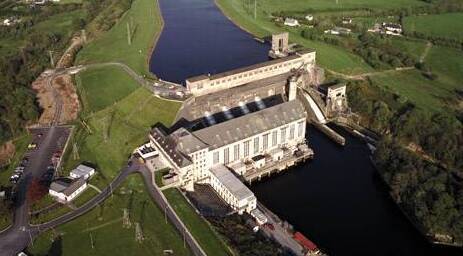
The Shannon hydroelectric scheme at Ardnacrusha, Co Clare, should inspire the present generation to find solutions to Ireland's current energy crisis. File picture
Ireland’s electricity prices are now the highest in the EU, almost double the electricity costs of some EU states.
We speak constantly about the ‘cost of living crisis’, but too often our political debate avoids confronting the difficult long-term decisions required to bring meaningful relief to households and businesses. Energy policy is one of those decisions.
There are no quick fixes. Lowering electricity prices requires decades of investment in generation capacity, grid infrastructure, and energy security.
This article is part of the analysis (in print and online here) on proposals to overturn Ireland's ban on nuclear energy, and opposition to it
Yet Ireland has spent far too long relying on short-term sticking plaster solutions while avoiding a bigger strategic conversation about how we power the country into the future.
The consequences are now becoming painfully obvious. High energy prices are damaging Ireland’s competitiveness, putting sustained pressure on households and squeezing already narrow margins for small businesses.
At the same time, the international environment has become increasingly unstable. Ireland’s dependence on imported fossil fuels leaves us deeply exposed to international shocks that are entirely outside our control. And yet, Ireland has previously shown an ability to think boldly when national necessity demanded it.
Read More
In 1925, a newly-independent state committed almost 20% of total government expenditure to the Shannon Hydroelectric Scheme at Ardnacrusha.
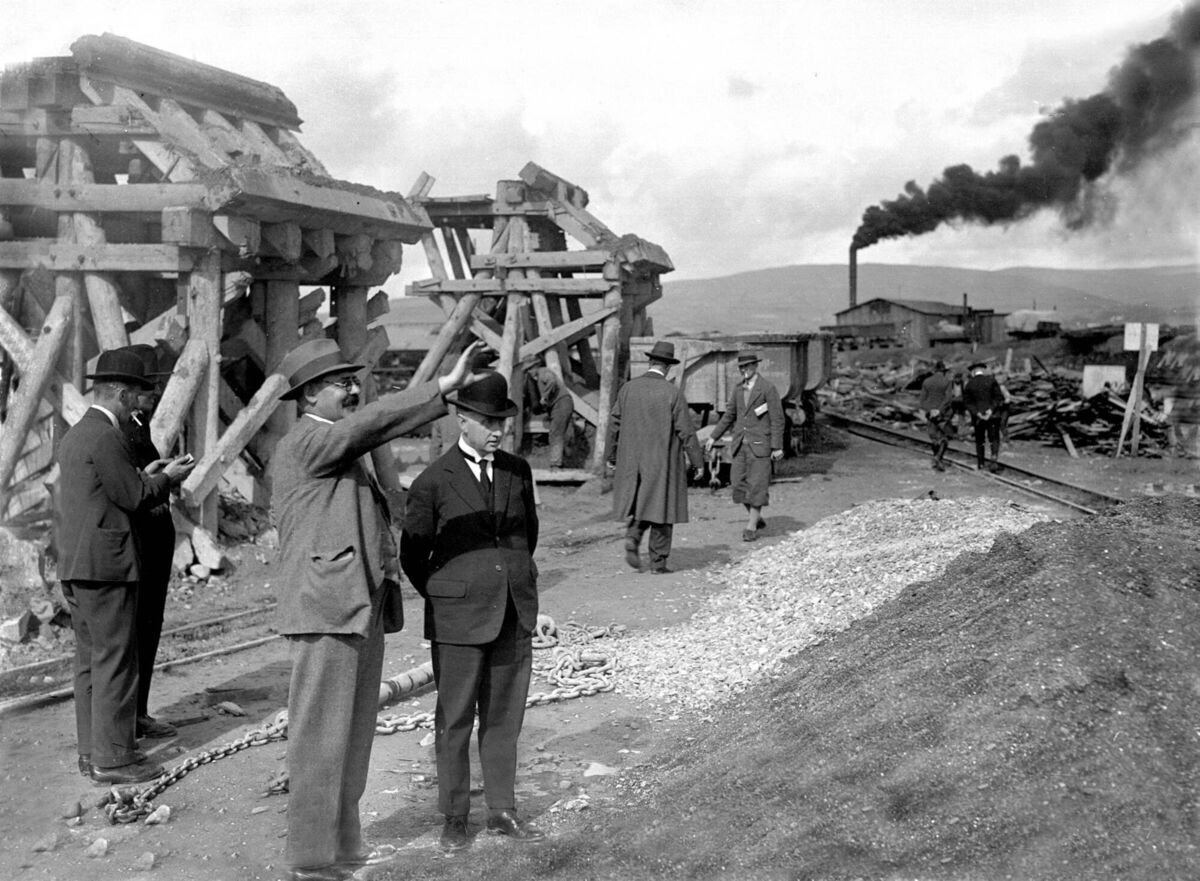
It was an extraordinary act of political ambition for a country still in its infancy. By the mid-1930s, Ardnacrusha was generating approximately 80% of Ireland’s electricity needs.
Today, almost a century later, the scheme still contributes to the national grid.
It remains one of the great infrastructural achievements in Irish history and a reminder that long-term thinking can transform a country.
The question now is whether Ireland still possesses that same ambition. If we are serious about reducing electricity prices, improving energy security and maintaining competitiveness, then every viable option must at least be examined honestly, including nuclear power.
For years, nuclear energy has effectively been treated as politically untouchable in Ireland. The debate has often been reduced to slogans and fears rather than facts and economics. But across Europe, attitudes are changing rapidly. One country in particular offers lessons for Ireland: Finland.
Like Ireland, Finland has a population of roughly 5.5m people. It has invested heavily in renewable energy, particularly wind power, and shares many of the challenges faced by smaller European states operating on the edge of larger continental markets.
Unlike Ireland, however, Finland made the strategic decision not to rely solely on intermittent renewables and imported energy.
It chose to combine renewables with long-term nuclear generation.
The result is a far more stable and affordable electricity system.
Finland’s newest nuclear reactor, Olkiluoto 3, entered regular production in 2023 and is now one of the largest nuclear reactors in Europe.
Nuclear power now provides around 40% of Finland’s electricity generation.
Combined with renewables, it has allowed Finland to reduce reliance on imported fossil fuels while strengthening energy security and lowering wholesale electricity costs.
Meanwhile, Ireland remains heavily dependent on gas-fired generation to stabilise the grid whenever wind output falls. Our undersea gas interconnects to Britain are hopelessly exposed to malign foreign influence. We are building a system that is renewable in ambition but fragile in practice.
That contradiction cannot continue indefinitely. None of this means nuclear power is a silver bullet. It is expensive to build, politically contentious, and requires substantial regulatory oversight and public consent. Even if Ireland decided tomorrow to pursue nuclear energy, it would take many years before any plant became operational.
But that is precisely the point.
That is why I am bringing forward legislation to address our statutory ban on energy generation by nuclear fission.
The countries that will enjoy affordable and secure energy in the 2040s and 2050s are making their decisions now. Ireland cannot afford another decade of avoiding difficult conversations simply because the solutions are politically challenging.
The reality is that Ireland’s future electricity demand is set to rise dramatically. Data centres, electrified transport, artificial intelligence, heat pumps and population growth will all place enormous strain on the national grid.
Wind energy will remain essential, but wind alone is unlikely to provide the stable baseload power required by a modern economy. A mature energy policy should not be ideological. It should be pragmatic. That means examining every available technology honestly.
Renewables, interconnectors, hydrogen, carbon capture, and nuclear, based on evidence rather than political fashion.
Ireland once built Ardnacrusha because the country understood that national progress required vision and courage. A century later, we face another defining energy challenge. The question is whether we are still capable of thinking beyond the next election cycle.
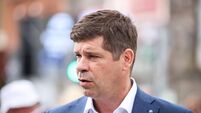
- James O’Connor, the Fianna Fáil TD for Cork East, introduced a bill to reverse the ban on nuclear energy in Ireland

CONNECT WITH US TODAY



Be the first to know the latest news and updates