Mission Impossible

Ireland’s missionary tradition goes back 1,500 years but based on current trends, it may not last 15 more.

Mission Impossible

Where there were once some 8,000 Catholic missionaries in the field, there are now just 1,500 stretched across 83 countries and in recent times their numbers have been falling by 100 a year.

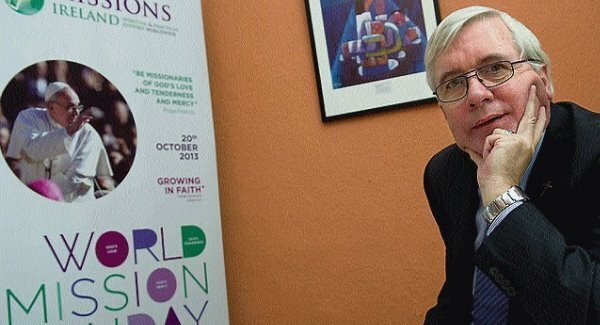
Fr Eamon Aylward, acting national director of World Missions Ireland (WMI), goes through the statistics with resignation. In 2008 there were 1,978 priests, sisters, brothers and lay people on the missions from this country — last year there were 1,501, almost all over the age of 50.

“I don’t see them disappearing completely but you would be talking 100 or less in 15 years from now unless there is some kind of revival and we don’t expect that to happen.

“Maybe we are coming to the end of a phase in our history in the Church. The whole notion of mission is changing. Mission has always been understood as us here in the north, where we have a Christian background, going to the south and proclaiming the message of Jesus to people who never had it. That’s not the situation any more. Ireland and Europe have become mission territory themselves.”

But while the missionary vocation may face uncertainty, missionaries themselves regard pondering the future as a luxury they seldom have time for.

They have parishes to run, schools to support, healthcare programmes to manage; water, sanitation, environmental and training projects to organise, and, crucially, funds to raise.

To that end, Fr Eamon puts the statistics aside and makes a compelling argument for getting behind Mission Sunday this coming weekend. It’s the annual day in the Catholic Church’s calendar where mission work takes centre stage and vital funds are collected at all Masses.

Donations have fallen too in recent times — from more than €2.5m in 2008 to just over €2 million last year — but given the decline in Mass attendances and the recession, Fr Eamon says it’s still represents a generosity to be proud of.

In common with all other participating countries, all the money collected is reported to the Vatican where meetings at the end of the year decide how best to distribute it.

WMI submits its suggestions and requests, based on projects Irish missionaries are working on, and Rome generally approves the allocations accordingly.

Once approved, WMI sends the sums directly to the nuncios in the various destination countries with directions as to where and how they are to be used.

Put simply, the money supports the priests and parishes in developing countries and provides for the future by educating local seminarians and novices.

But Fr Eamon says the reach of that money extends much further. “When you think about the big aid agencies — Trocaire, Unicef, CAFOD (Catholic Agency for Overseas Development) — very often they are drawn to a place because of the presence of a priest because a structure will build up around the priest.

“You don’t get the likes of Trocaire to educate a seminarian or put a priest in place — we do that. But by us supporting the presence of a church in a developing country, that often opens a door for the aid agencies.”

Fr Eamon, a member of the Sacred Heart order, saw that dynamic himself when he was assigned a missionary post in Mozambique in 1993.

The country had just witnessed the end of 25 years of fighting — a 10-year independence struggle followed by 15 years of civil war — and the arrival of himself and another brother in a remote region eight hours drive from the nearest city helped pave the way for a series of Catholic and lay aid organisations.

He has warm memories of his time there, even if political instability at times made safety a concern — as did the realisation one day that his jeep had driven straight over a landmine with a thankfully jammed trigger mechanism.

Those are still hazards many missionaries face but even those working in relatively peaceful and progressive places face challenges. With growing demands for the highest standards of transparency and accountability, administration and paperwork has multiplied, and child protection policies and procedures require ongoing attention.

Overseas missions have not escaped the child abuse scandals although, ironically, Fr Eamon says the fallout from RTÉ’s calamitous Mission to Prey programme, in which false allegations were made against Fr Kevin Reynolds, may have done some good by making people realise that not all rumours contain truth.

“People still have a positive notion of missionaries,” he says. “They still have great goodwill towards us and are very generous.”

Generations of Irish children have grown up with the practice of supporting their local missionary — usually a local priest or nun or the son, brother or sister of someone in their community — and Fr Eamon was no different.

“I’m from Dublin but my brother settled in Mayo and people in Westport and Cloonfad and Partree sort of adopted me and raised money for my parish while I was in Mozambique. They’re still doing it in fact even though I’m home eight years.

“That kind of support is not directly related to the church, I don’t think. It’s really just civil society recognising they can make a difference through someone who happens to be in the Church.

“That becomes more difficult without the local contact out there. As Irish missionary numbers decline, it may be harder to get people behind mission projects that don’t have a local face attached to them. But we’ll see. We’ll hope for the best.”

More in this section

Revoiced

Newsletter

Had a busy week? Sign up for some of the best reads from the week gone by. Selected just for you.

Cookie Policy Privacy Policy Brand Safety FAQ Help Contact Us Terms and Conditions

© Examiner Echo Group Limited