Jennifer Horgan: I'm not much of a prepper — but I do love a good news story
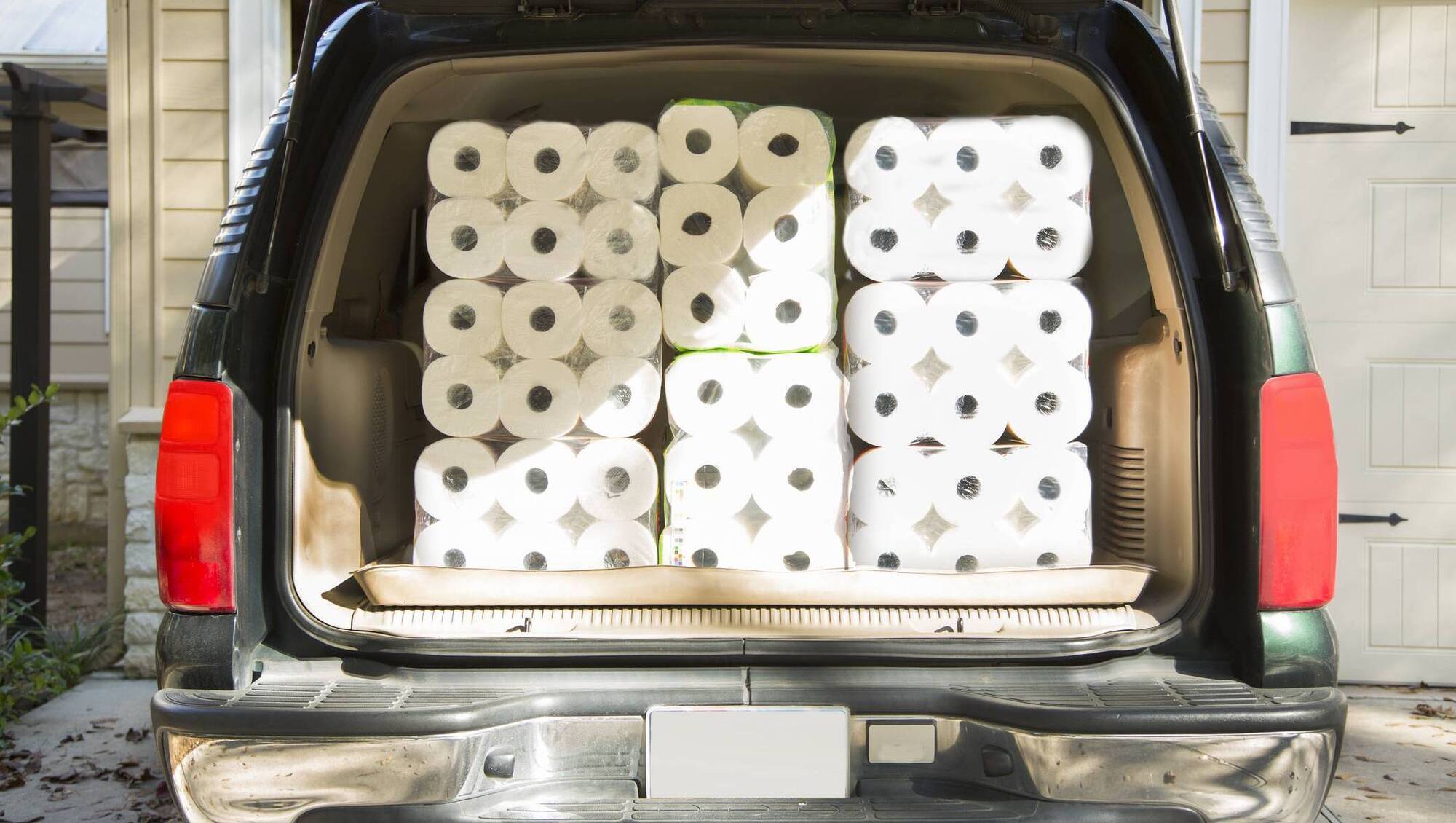
Although I’m a total failure, I do plan to fail better. I’m going to get some tinned food. Toilet roll for any possible emergency. File picture
The government is asking us to prepare kits for possible emergencies.
How many of us are actually doing it? I mean we’re brazen on the best of days; are we really preparing for the end of days? I checked in with people, and I can report that the range of preparedness is about as broad and varied as Noah’s ark.
Some eyed me as if I had donned a colander when I asked about their emergency plans. Quite a few were adamant about remaining blissfully ignorant. Cute now, sure, but will they be the ones knocking on doors for water?
Others are quietly managing the lowest of human expectations. One woman confessed to having wads of cash stashed at home. Small notes and change, she added, helpfully.
A few have generators. Two had bought camping stoves and one man had stocked the exact amount of water he’ll need for three days or so, using some online Swiss calculator.
So, how are you fixed? As things are at time of writing, I can report that I’m a goner, should the worst occur. If those internet lines in the Irish Sea get the snippity snip, it’s game over for yours truly. I rely on YouTube videos for everything, from organising my taxes to emptying my hoover.
Read More
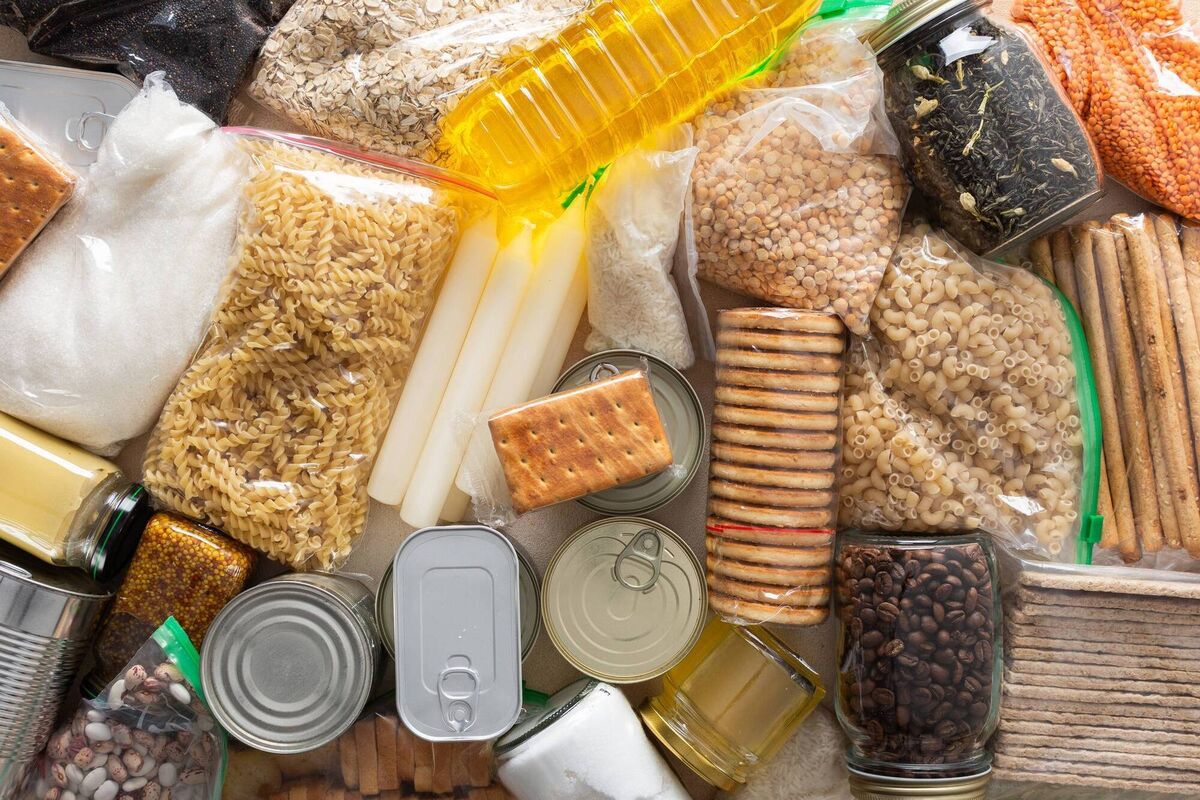
That said, although I’m a total failure, I do plan to fail better. I’m going to get some back-up water at least. And some tinned food. Toilet roll. All that good covid stuff.
Seriously though, it’s probably a good idea for more of us to heed the government’s advice. If another storm hits, say, being prepared is also a way to care for everyone else. If I’m okay, fed and watered and sanitary, I won’t need to call on emergency services, freeing them up to attend to those most in need.
We need to be self-reliant, in a scout-out-in-the-woods kind of way. Certainly there is something very telling about the emergency materials we’ve been asked to gather.
Many of the things we have been told to ‘evolve’ beyond are now the very things we are being asked to have ready. Cash and plenty of coins. Physical rather than digital documentation. It’s going back to basics, to candles and torches, battery operated radios, non-perishable food, waterproof matches.
There is a broader message here. We’ve come to depend on technology far too much; if and when the lights go off and the internet stops working, we need to be capable of surviving without it.
Bill Gates identified this choice we still have, to build our real-world resilience, in a recent interview published in . He suggested that some people may choose to “live like the Amish” as a genuine response to the increasing dominance of AI.
Unashamedly pessimistic about tech companies having any moral compass, he argued that the responsibility is with us.
"A lot of humanity may choose not to live at the technological frontier because of things we get from helping each other or coming up with unique ideas," he said.
Moving away from the technological frontier makes sense to me, especially now we’re seeing cyber threats multiply. The hoaxes are hotting up. My school, along with many other schools, was threatened via email last week.
Microsoft went down for hours. Revolut did too, (due to a power outage) a few weeks back. Hundreds of sites were hacked this week, from CNN to HSBC to IKEA. Now we’re hearing that credit unions have suffered a cyberattack too.
A woman asked me to pay for her water in a shop the day Revolut went down. All she had was her Revolut card. That’s all my children ever have.
It is a small thing but it is also a sign of the times we’ve walked ourselves into, by handing too much of our power to technology.
Time for the good news? Well, the very good news is that plenty of people are working to get some of that power back.
I chatted with Michelle O’Keefe this week, Cyber Safety Lead at MTU, and co-lead of The Cyber Safety Project, the winner of this year’s national Age Friendly Communication Award. Her team is doing phenomenal work in communities, protecting vulnerable people from being scammed online.
The project runs sessions in local libraries through the national Skills for Life programme. Attendees play card games that simultaneously educate them on how to stay safe.
Librarians across Ireland are also being trained as Cyber Safety Supporters, enabling every public library to act as a local support hub for online safety. A volunteer programme also invites organisations to train staff to pass practical advice directly to citizens, with employees from Irish firms already taking part.
Simple measures like checking websites on check.cyberskills.ie can save someone from losing money, she tells me. Using longer phrases for passwords is also good, as is having a range of passwords and regularly checking bank accounts.
Speaking of vulnerable groups, she said: “If we educate them they’ll become less of a target, and that makes the online world safer for everyone, regardless of age.
She reminds people to look out for any kind of urgency when a company or service looks for money, any kind of threat or emotional manipulation. Black Friday and Christmas are particularly dangerous times.
Scammers might even pretend to be a loved one, looking for money via text message. It is essential, Michelle O’Keeffe warns, to speak to that person directly. The Cyber Safety Project offers lots of advice like this. It is a simple and down-to-earth resource created by humans for humans.
To date, the project has reached more than 7,700 older adults across all 26 counties and has trained more than 120 community educators.
An Garda Síochána noted a 166% increase in online shopping scams in 2025; plenty of it targets the elderly and the intellectually disabled. It is wonderful to know they’re being helped.
My other piece of good news relates to trees, because while data centres are draining our natural resources, humans are replenishing them. Hometree, a nature restoration charity, based in the west of Ireland has just raised €1m in donations from the public to help restore Irish rainforests.
Because they have raised this million they can now unlock a further €14.7m for the Wild Atlantic Rainforest Project. Irish people came together and got this project over the line.
Technology is fighting fit, and we are far too reliant on it, but the planet and its inhabitants, thanks to some gorgeous humans, are still in with a fighting chance. And the fundraising was mostly done through social media — so it’s not all bad.
Trees are growing back. Elderly people are being protected online. These stories are filling my heart this week.
They may even inspire me to fill that emergency cupboard…
CLIMATE & SUSTAINABILITY HUB
CONNECT WITH US TODAY



Be the first to know the latest news and updates